



 Jenny Milam
Thu, July 9, 2026 at 2:10 PM UTC

9 Polyphenol-Rich Foods That May Support Metabolic Health
Plant foods contain thousands of naturally occurring compounds, and researchers are increasingly interested in how some of them may relate to long-term health. A recent study from the Brazilian Longitudinal Study of Adult Health found that people with higher overall intakes of polyphenols had a lower risk of developing type 2 diabetes
The study was observational, so it cannot prove that polyphenols prevent diabetes. It also looked at overall intake rather than proving that any single food was responsible for the association. Still, the findings add to growing interest in diets rich in whole plant foods. Here are nine everydayic health
9. Coffee
Coffee was the largesttantial share of participants’ overall intake
Separate observational research has also repeatedly found associations between regular coffee consumption and a lower risk of type 2 diabetes. That doesn’t mean coffee is a preventive treatment, but it can be a significant

8. Yerba Mate
Yerba mate was another major contributor to polyphenol intake among participants in the Brazilian study
Popular throughout parts of South America, the caffeinated drink contains several types of plant compounds. Research into its potential metabolic effects is ongoing, so it is best viewed as one possible

7. Oranges
Whole oranges provide flavonoids along with fiber, vitamins, and other nutrients
Choosing the whole fruit also preserves the fiber that is largely lost when oranges are turned into juice. That makes whole oranges a more useful addition to a diet focused on steady blood sugar and overall metabolic health

6. Berries
Blueberries, strawberries, raspberries, and other deeply colored berries are rich in polyphenols, including compounds called anthocyanins
Researchers have studied these plant compounds for their possible relationship with insulin sensitivity and metabolic health. Berries also provide fiber, making them an easy addition to an overall healthy eating pattern

5. Apples
Apples are an accessible
Much of an apple’s polyphenol content is concentrated in or near the peel, so eating the whole fruit offers benefits that apple juice does not. They also make a convenient alternative to highly processed snacks

4. Green Tea
Green tea contains catechins, a group of polyphenols that have attracted considerable scientific interest
Research into green tea and diabetes risk has produced mixed results, so it should not be treated as a preventive remedy. Still, unsweetened green tea can contribute polyphenols without the added sugars found in many other beverages
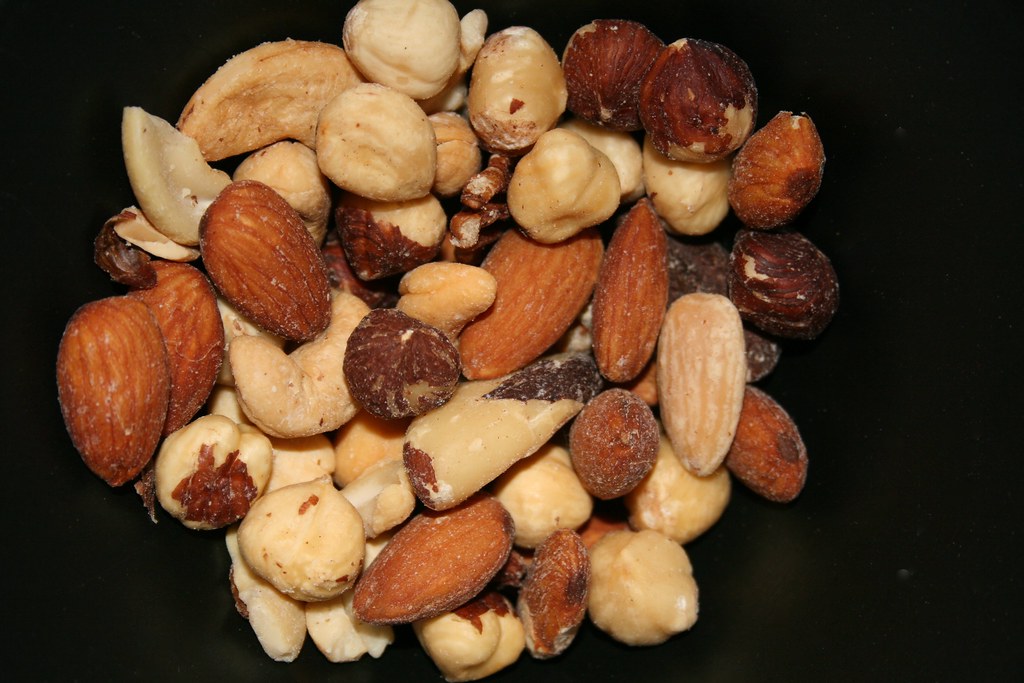
3. Nuts
Nuts generally provide a combination of plant compounds, unsaturated fats, fiber, and protein
Although different varieties have different nutritional profiles, nuts are commonly included in dietary patterns associated with better metabolic and cardiovascular health. The biggest benefits are likely to come from the overall eating pattern rather than any single type of nut

2. Dark Chocolate
Cocoa is naturally rich in flavanols, but that doesn’t turn every chocolate bar into a health food
Dark chocolate with a higher cocoa content generally contains more cocoa compounds than milk chocolate, though it can still be high in calories, sugar, and saturated fat. A modest portion can contribute polyphenols without pretending dessert is a diabetes treatment

1. Beans and Lentils
Beans and lentils bring several advantages to the table at once
They contain fiber, plant protein, and a variety of polyphenols, while generally having a gentler effect on blood sugar than many refined carbohydrates. Regularly eating legumes is also consistent with the broader dietary patterns most strongly associated with long-term metabolic health
Read More:
Ask us! What questions do you have about content, strategy, pop culture, lifestyle, wellness, history or more? We may use your question in an upcoming article!
Like MediaFeed’s content?Be sure to follow us
This article originally appeared onRe
