


Politics
Takaichi Faces Diet Endgame As BOJ And Imperial House Issues Converge
Jul 14, 2026 | News On Japan
TOKYO –
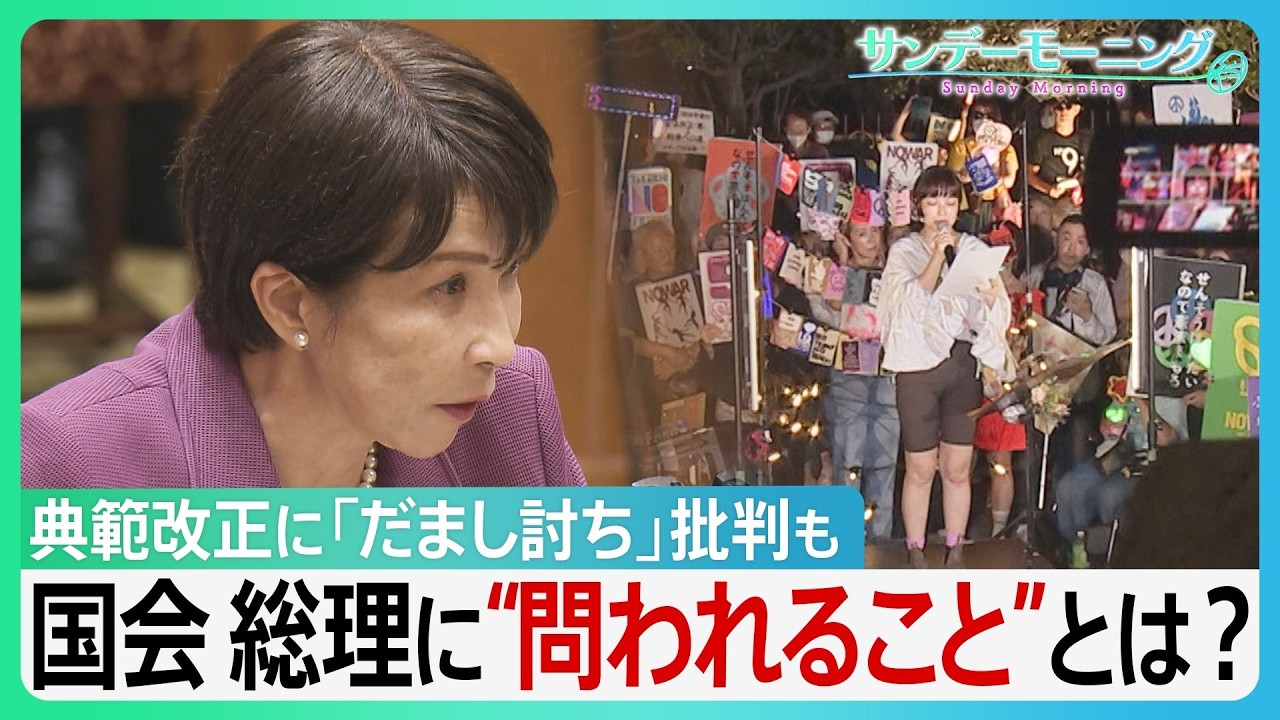
Prime Minister Sanae Takaichi moved to contain political pressure on July 14 by confirming that she will attend intensive Budget Committee deliberations later this week, as the final days of the Diet session turned into a test of her parliamentary management, economic policy credibility and conservative legislative agenda
Takaichi told a government-ruling party liaison meeting that she would appear for three consecutive days of Diet debate, including party leader discussions scheduled for July 15, deliberations on important bills and intensive Budget Committee sessions on July 17, the final day of the current Diet session. She said she wanted to engage fully in debate for the country and the public
The decision was aimed at easing opposition criticism that the prime minister had avoided direct questioning during a period of political friction. Opposition lawmakers have accused Takaichi of allowing the Diet to become gridlocked by resisting demands for her appearance in Budget Committee deliberations and party leader debates. For the government, agreeing to the sessions is a way to reopen the legislative path before the session ends
The confrontation over Diet management has become one of the main domestic tests of the Takaichi administration. The ruling Liberal Democratic Party has already abandoned efforts to pass a bill to reduce the number of Lower House seats during the current session, a concession made after opposition parties refused to cooperate with proceedings. The decision helped move the Diet toward normalization, but it also exposed the limits of the ruling bloc’s control
The ruling camp now wants to use the remaining time to advance legislation related to the Imperial House, one of the most politically sensitive items on the agenda. The bill would allow female imperial family members to remain in the Imperial House after marriage and permit the adoption of male descendants from former imperial branches, with the stated aim of securing the number of imperial family members
The issue has deep symbolic and constitutional significance. Supporters argue that the changes are needed to maintain the continuity of the Imperial House under the male-line succession system. Critics say the debate has been rushed and that the legislation avoids broader questions about female succession and the long-term stability of the imperial system
The bill passed the Lower House on July 10 after only a short period of deliberation, prompting criticism from commentators and opposition lawmakers who argued that a matter touching the future of the Imperial House should not be pushed through at speed. The criticism has created an unusual political risk for Takaichi: a conservative priority that should strengthen her support base could instead become a symbol of heavy-handed Diet management
The episode also highlights tension inside the ruling framework. Takaichi’s LDP is prioritizing Imperial House legislation, while its partner, the Japan Innovation Party, has placed more emphasis on institutional reform, reducing Diet seats and the secondary-capital concept. The shelving of the seat-reduction bill could frustrate Ishin lawmakers and complicate coalition coordination even if the Diet session closes without a formal rupture
Economic policy remains another majornomic and fiscal blueprint, but earlier wording in the draft triggered market concern that the administration was trying to influence the Bank of Japan to keep policy supportive of Takaichi’s growth agenda. The government now plans to include an explicit reference to the BOJ’s independence, citing the legal principle that the central bank’s autonomy must be respected
The move is designed to reassure markets after Japanese government bond yields climbed to multi-decade highs. Investors had reacted to draft language suggesting closer alignment between monetary policy and the administration’s economic strategy, as well as to concerns that the government was softening its commitment to fiscal discipline
Takaichi’s challenge is to preserve the central message of her economic program while calming fears about fiscal and monetary policy. Her administration wants to mobilize more than 370 trillion yen in public and private investment through fiscal 2040, targeting strategic sectors including artificial intelligence, semiconductors, shipbuilding, energy, space and quantum technology. The plan is designed to raise Japan’s growth potential and strengthen economic security
But the financing question remains politically difficult. Japan’s public debt is already high, and rising bond yields make ambitious spending plans more costly. The administration has argued that it will pursue fiscal discipline over the medium term by focusing on the debt-to-GDP ratio rather than a rigid annual primary-balance target. Critics say that could weaken the restraint that has traditionally shaped budget policy
The BOJ issue also connects directly to household politics. The central bank raised its policy rate to 1% in June, the highest level in more than three decades, but the weak yen continues to raise import costs and keep pressure on prices. Takaichi wants growth-oriented policy and investment-friendly financial conditions, yet households are increasingly sensitive to food, energy and daily living costs
The government’s decision to add BOJ independence language may reduce some market concern, but it does not resolve the underlying policy conflict. The administration wants the BOJ to avoid derailing growth, while the central bank must respond to inflation, wage gains and currency weakness. The next BOJ policy meeting on July 30 and 31 is therefore becoming a major political marker as well as a monetary-policy event
Foreign policy is less central to the July 14 agenda but remains part of the administration’s broader narrative. Takaichi has tried to link economic security, supply-chain resilience and defense diplomacy through recent cooperation with India, NATO-related engagement by senior ministers and a tougher stance toward China’s export controls on Japanese entities involved in dual-use technologies
For now, however, domestic parliamentary management is the immediate test. The prime minister’s decision to appear in intensive deliberations gives the opposition an opportunity to challenge her directly over the BOJ, inflation, fiscal policy, Imperial House legislation, Diet procedure and coalition promises. It also gives Takaichi a chance to regain control of the story before the session closes
The July 14 political picture is therefore one of convergence. The government’s economic blueprint, the BOJ independence debate, the Imperial House bill and the final Diet schedule are all reaching decision points at the same time. Takaichi still has the advantage of a strong ruling party position, but the final week of the session is showing that a large majority does not automatically guarantee smooth parliamentary control
The party leader debate scheduled for July 15 will be the first major test of whether Takaichi can shift the tone after weeks of opposition criticism over Diet management
The July 17 Budget Committee sessions will likely become the main arena for questioning on the BOJ, fiscal policy, inflation, Imperial House legislation and the handling of the Diet endgame
The final version of the economic and fiscal blueprint will be closely watched for its wording on BOJ independence, fiscal discipline and the government’s 370 trillion yen investment strategy
The Imperial House bill remains the most sensitive legislative item before the session ends, especially because criticism has focused not only on substance but also on the speed of deliberation
Coalition management with Ishin should be watched after the ruling bloc gave up on passing the Lower House seat-reduction bill during the current session
The BOJ’s July 30-31 policy meeting will be a major follow-up point, as markets test whether the government’s revised language has reduced concerns about political pressure on monetary policy
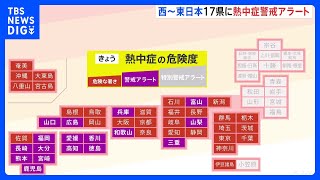
Heatstroke Alert Issued For Record 17 Prefectures This Year
Dangerous heat is expected across a wide area from western to eastern Japan today, prompting authorities to issue heatstroke warning alerts for 17 prefectures, the highest number so far this year

Russian Spy Base In Japan?
Japan has become an unexpected base of operations for Russian intelligence agents since Moscow’s invasion of Ukraine, with spies allegedly using the country to procure and smuggle high-tech equipment and other goods to Russia, The New York Times reported on July 12

Convenience Stores Tackle Bear Crisis
Convenience store operators in Japan are strengthening safety measures as bear-related damage grows more serious, with Lawson expanding the use of bear repellent spray and considering drone-based remote monitoring

Osaka’s Minami Rebuilt Into Tourist Hub
Osaka’s Minami district, now entering another period of major change with the planned opening of the Naniwasuji Line, the redevelopment of Midosuji and improvements around Nankai Namba Station, has transformed from an area once described as “scary” and “dirty” into one of Japan’s leading tourist destinations

Crowds Join First Pull of 10-Ton Gion Festival Float
A 10-ton hoko float was pulled through central Kyoto on July 12 in a trial run ahead of the Yamahoko Junko procession during the Gion Festival’s early parade
Takaichi Faces Diet Endgame As BOJ And Imperial House Issues Converge
Prime Minister Sanae Takaichi moved to contain political pressure on July 14 by confirming that she will attend intensive Budget Committee deliberations later this week, as the final days of the Diet session turned into a test of her parliamentary management, economic policy credibility and conservative legislative agenda
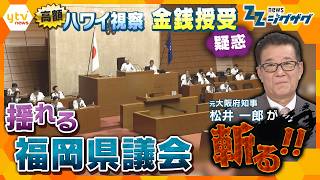
Fukuoka Assembly Faces Scrutiny Over Luxury Travel
The Fukuoka Prefectural Assembly is facing mounting scrutiny over its use of public funds after revelations that assembly members spent about 45 million yen in one year on overseas inspection trips, including a Hawaii visit that cost nearly 12 million yen for four members

Osaka City Approves Japan’s First Citywide Vacant Home Tax
Neyagawa in Osaka Prefecture has approved Japan’s first citywide tax on vacant homes, imposing a new municipal levy at a rate of 35% on owners in addition to existing fixed-asset taxes from fiscal 2029
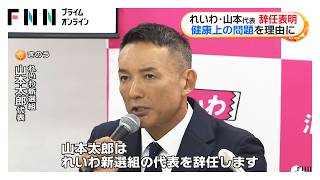
Reiwa Party Chief Steps Down Over Speeding and Health Issues
Taro Yamamoto, leader of Reiwa Shinsengumi, announced on July 10 that he will resign as party leader and retire from politics, citing both a speeding violation that resulted in criminal penalties and ongoing health problems
Takaichi’s Growth Strategy Under Pressure
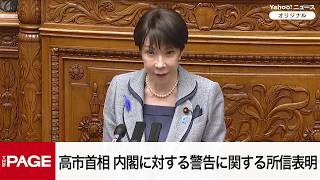
Prime Minister Sanae Takaichi’s economic strategy came under renewed scrutiny on July 8 as the government considered softening language in its long-term policy blueprint that had raised concerns over political pressure on the Bank of Japan, while the administration continued to face Diet tensions over its legislative agenda before the current session ends next week
Japan, U.S., South Korea Agree to Promote Next-Generation Small Modular Reactors
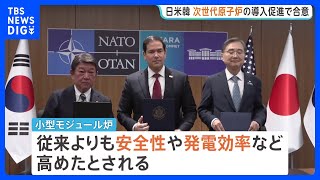
Japan, the United States and South Korea have agreed to work together to promote the introduction of next-generation small modular reactors, signing a memorandum of cooperation at a foreign ministers’ meeting in Turkey on July 7

LDP and Ishin Leaders Meet as Diet Remains Stalled
Prime Minister Sanae Takaichi and Japan Innovation Party leader Hirofumi Yoshimura held talks on July 7 as Diet deliberations remained stalled over opposition resistance to two bills Ishin is seeking to pass, including legislation to cut the number of lawmakers and a bill to establish a secondary capital

Opposition Boycott Leaves Diet Committees Running on Empty
Opposition parties boycotted Diet deliberations after accusing the ruling bloc of forcing debate on bills to cut the number of lawmakers and create a secondary capital system, leaving committee sessions to proceed without them and exposing widening rifts not only between the ruling and opposition camps but also within the government and ruling coalition
