



 Camilla Foster
UpdatedTue, July 14, 2026 at 8:23 AM UTC
The Independent and Yahoo will earn a commission from purchases madeto change
New research indicates that a structured programme, integrating regular physical activity with a diet beneficial for brain health, could enhance memory and thinking skills in older adults facing a higher risk of dementia
The two-year study observed more than 1,000 individuals aged between 60 and 77 across 11 Latin American countries. Participants presented risk factors such ashigh blood pressure, elevated cholesterol, smoking, or advanced age
Half the participants completed supervised exercise four times a week, received personalised brain healthy <a href="https://healthylife7.com/the-rise-of-personalized-nutrition-custom-meals-designed-just-for-you/” title=”The Rise of Personalized Nutrition: Custom Meals Designed Just for You”>nutrition advice and took part in cognitive training, social activities and regular health monitoring. The comparison group, meanwhile, received general health advice and attended four one-hour meetings over the two years
Researchers found that those following the structured programme performed better in cognition, episodic memory, executive function and procession speed tests, suggesting that lifestyle changes may help protectcognitive health
We consulted some experts to find out what foods we should be adding to our shopping lists to boost our brain health. Here are their top-seven recommendations…
1. Brazil nuts
Make nuts your new go-to brain-boosting snack
“Healthy fats give brain cells structure and function, so I would recommend adding nuts to your shopping list,” suggests Lesley Reid, registered dietitian and Nutritionist Re
She recommends Brazil nuts in particular because as well as containing all the healthy fats, they also are rich in selenium, which is a powerful antioxidant that is great for the brain
“Have no more than three Brazil nuts per day because they’re pretty powerful,” advises Reid. “Have them raw as a snack or chop them up and mix them through a yoghurt.”
2. Chickpeas
Getting enough protein is also vital for brain health
“We want to make sure we eat enough good proteinno acids are the building blocks of all our cells,” explains Reid
She adds that amino acids play a particularly important role in neurotransmitters which transport connections in the brain
Many people think of protein shakes, meat and eggs when it comes to protein, but chickpeas are a great underrated source
“Tins of chickpeas are a really good
“You could roast them, add them to a salad or blend them up and make them into a hummus to have with bread or as a dip with vegetables.”
3. Blueberries
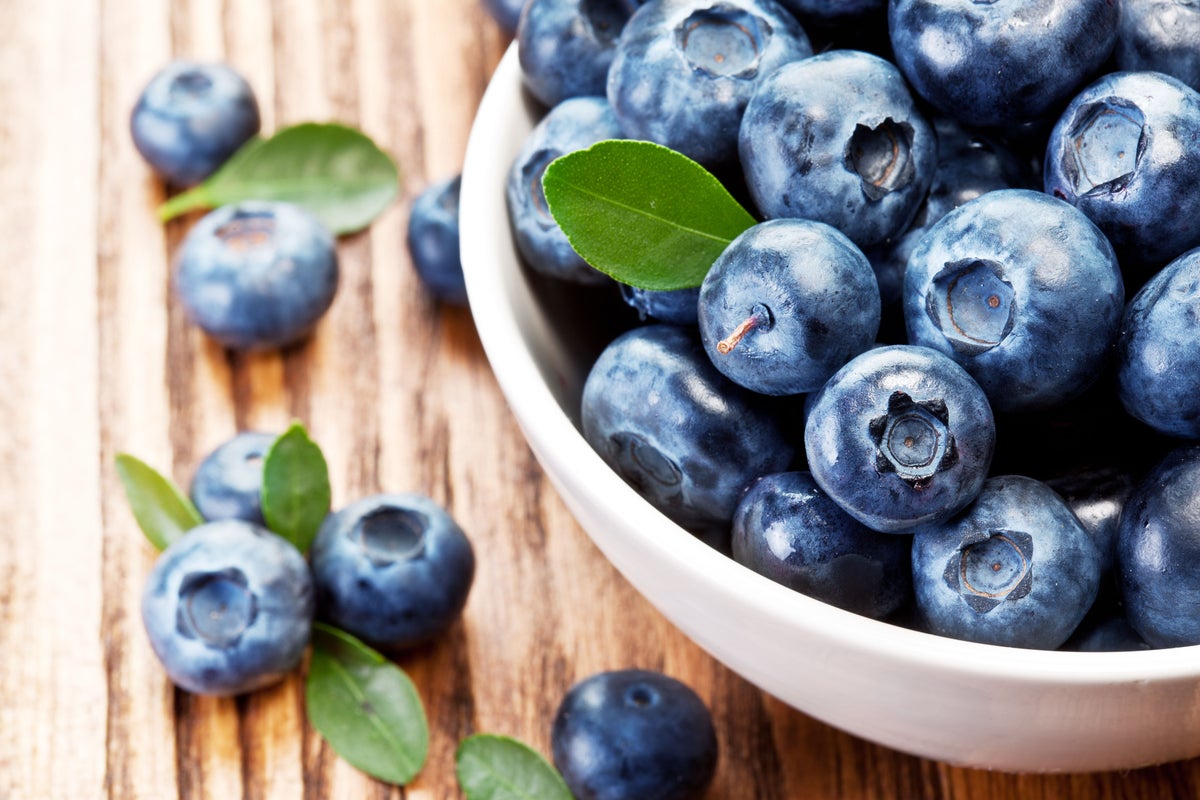
“One colour of the rainbow that we are often missing from our diet is dark purple, and purple foods like blueberries are another great thing to add to your shopping list,” says Reid
Blueberries are bursting full of brain-boosting properties, including flavonoids such as anthocyanins and quercetin
“Research suggests that anthocyanins reduce brain inflammation, stimulate the growth of new brain cells and improve blood flow to the areas responsible for memory and focus,” says Priya Kannath, registered nutritionist and Nutritionist Re
“In addition, quercetin is a natural anti-inflammatory compound that helps protect brain cells from damage caused by everyday oxidative stress.”
Frozen blueberries are great because they last much longer than fresh ones
“You can add them into smoothies, have them with porridge or blitz them with some yoghurt,” recommends Kannath
4. Green leafy vegetables
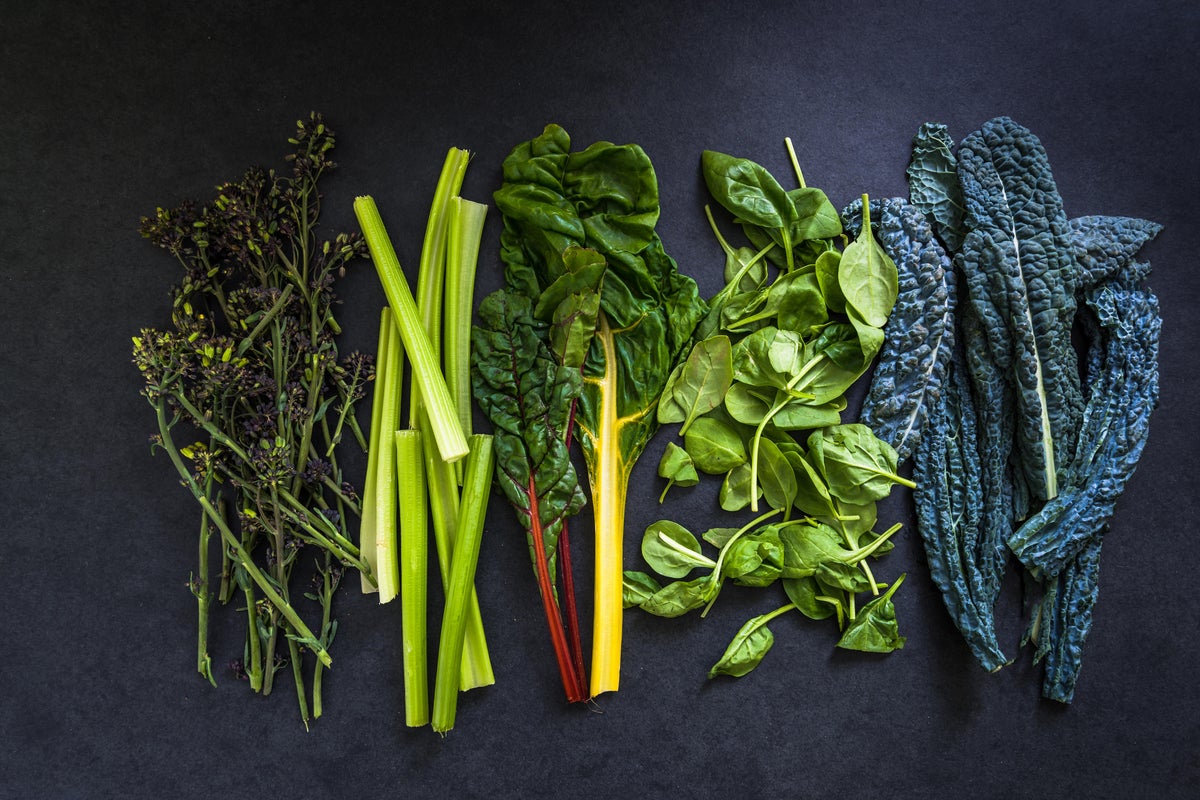
“Green leafy vegetables, such as kale and spinach, are rich in magnesium, high in B vitamins and are really good at supporting your energy production and nervous system function,” says Reid
“They are also very high in vitamin C and offer that antioxidant protection, so are really good for brain function.”
Leafy greens are incredibly versatile and can be incorporated into your diet in many different ways
“You could steam them, add them into curries, soups and casserole dishes. You could also add them into a quiche or into a green smoothie,” suggests Kannath
5. Oily fish
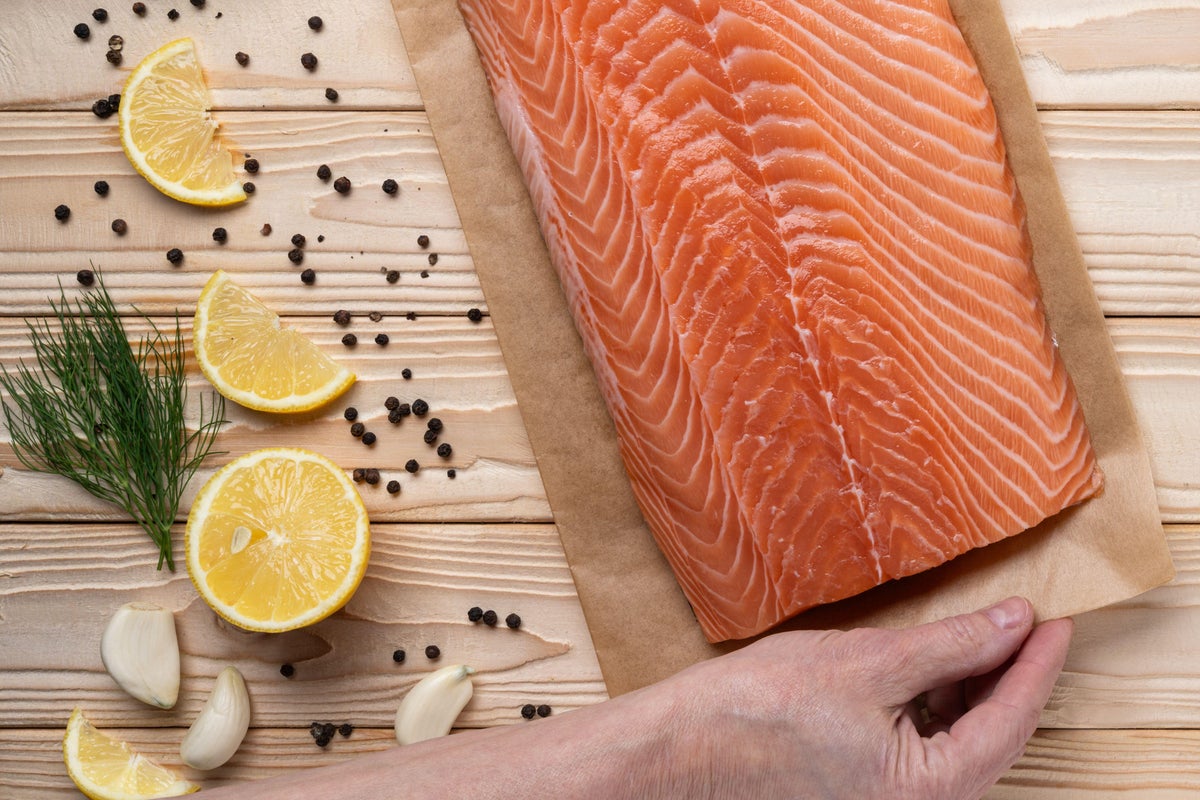
“Research suggest that higher omega-3 intake has been linked to lower levels of beta amyloid proteins that are associated with Alzheimer’s disease,” says Kannath
She notes that oily fish, such as sardines and salmon, is a great
“I would recommend aiming for at least two portions of oily fish a week to get that omega-3 support,” suggests Kannath
“Canned fish is particularly great because it contains the softened bones of the fish which will give an extra boost of vitamin D and calcium. However, if you prefer buying fresh or frozen fish, you could bake it, make a curry or grill it.”
6. Dark chocolate
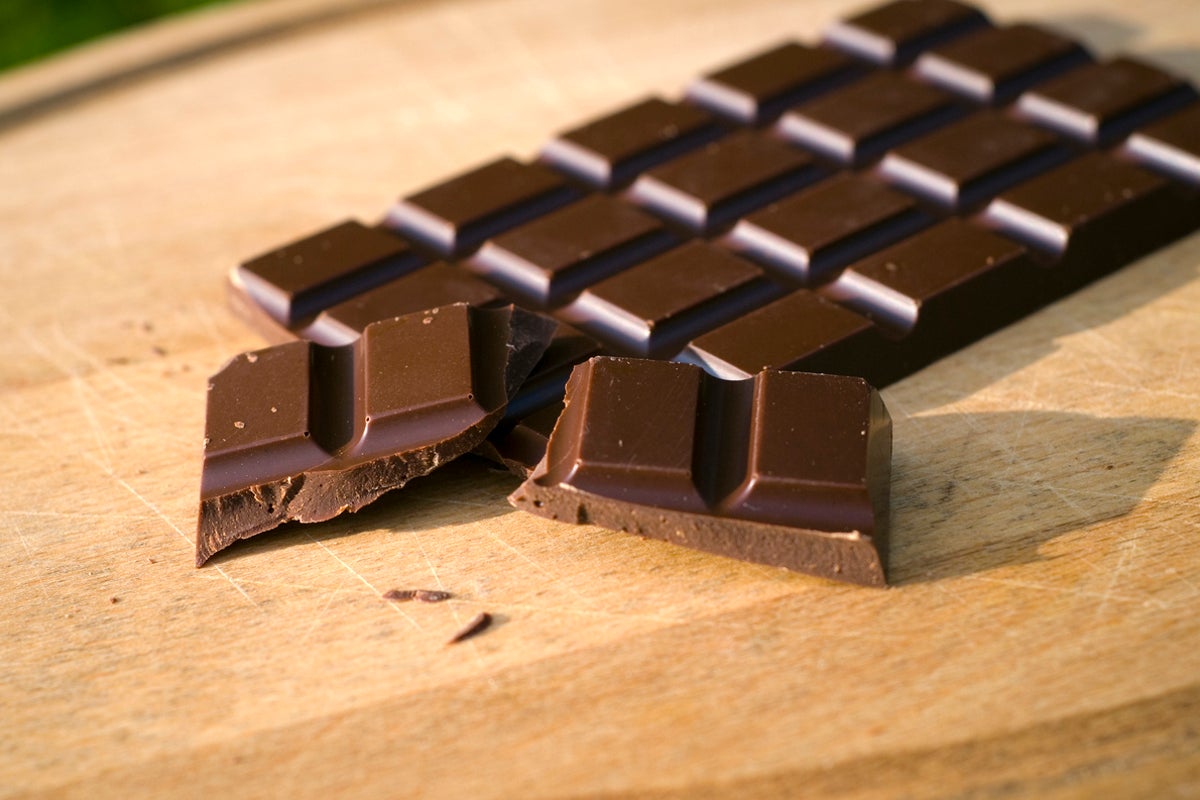
“The more cocoa dark chocolate contains, the better it is,” says Kannath. “Dark chocolate contains flavonoids – such as epicatechin, catechins and procyanidins – that can support cognitive function and also improve the blood flow to the brain.”
She recommends choosing a dark chocolate that is at least 70% cocoa
“l would recommend eating a square of dark chocolate a day after your evening meal,” suggests Kannath
7. Extra virgin olive oil

“Extra virgin olive oil contains anti-inflammatory properties that can help support vascular health which is central to brain health,” says Kannath. “I would recommend drizzling a little bit of extra virgin olive oil over a salad.”
