


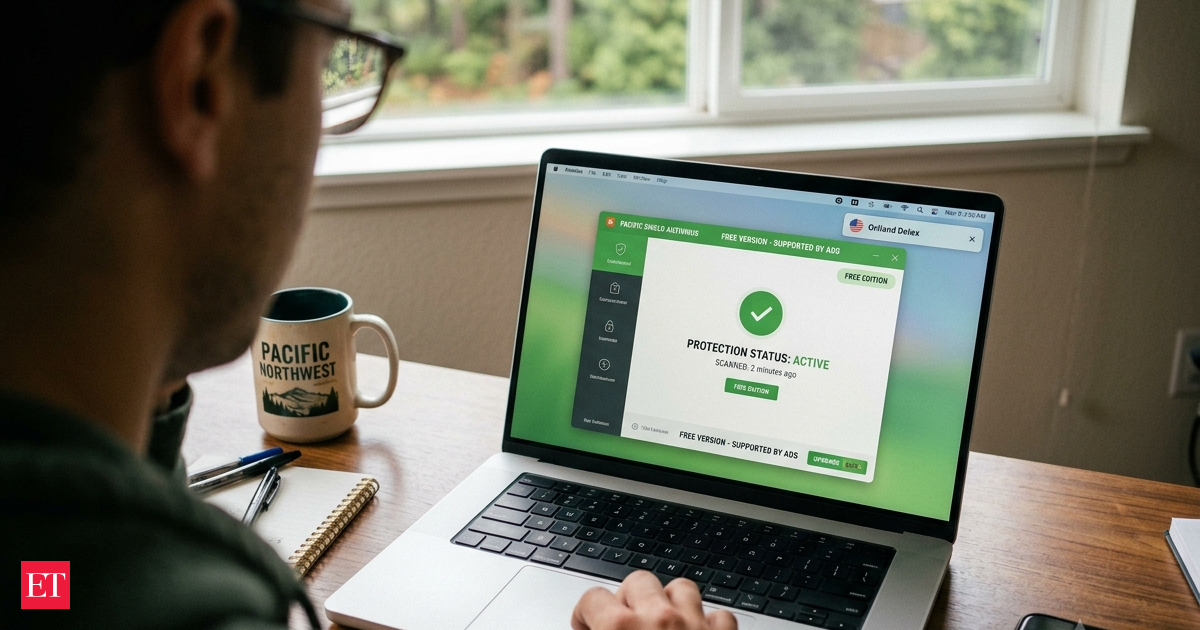
Psychology says people who use only free version of antivirusaren’t necessarily making poor decisions about online security. Many people install free antivirus software because it meets their needs, matches their budget, or provides enough confidence for daily internet use. Psychology explains that people often compare benefits with costs before making decisions. They also rely on previous experiences and personal beliefs when choosing software. While experts recommend using security tools that fit individual needs, psychology shows that using free antivirus software does not automatically mean someone ignores online safety or fails to understand digital risks.
Understanding the thinking behind free antivirus users
Millions of people around the world use free antivirus software on computers, laptops, and mobile devices. Some users never upgrade to paid versions. Others test free software before deciding whether premium features are necessary.Psychology suggests that this decision often comes from evaluating personal needs instead of avoiding security. People usually believe that basic protection is enough for their everyday online activities.Their decision may depend on several factors, including:
- Monthly budget
- Type of internet usage
- Trust in software brands
- Previous experience with malware
- Confidence in personal online habits
- Awareness of cybersecurity risks
You Might Also Like:

Psychology says people who follow a strict daily schedule and wake up, eat and sleep at fixed times aren’t rigid thinkers: What this behavior may reveal?
This means their choice is often planned rather than random.
What Psychology says about this behavior?
Psychology explains that people make choices by comparing expected benefits with possible costs. If someone believes free antivirus software provides enough protection, paying for extra features may not seem necessary.People also develop confidence after using free software for many years without facing major security problems. Positive experiences strengthen future decisions. This behavior reflects practical decision-making rather than carelessness.
What does this mean?
Choosing free antivirus software may show that a person prefers efficiency and value.You Might Also Like:

Psychology says people who like to ride a cycle, dance or play in rain aren’t avoiding life: What this behavior reveals?
Many consumers ask themselves simple questions before spending money:
- Is the free version meeting my needs?
- Have I experienced security problems before?
- Will premium features improve my daily life?
- Is the additional cost worth paying?
If the answers suggest that free software is enough, many users remain with the free version. Psychology explains that people often continue choices that have worked well in the past.
Why do people make this choice?
Several reasons influence this decision. Some people use computers only for browsing websites, reading emails, watching videos, or working on documents. They may feel that free protection is enough for these activities.Others already practice safe online habits, such as:
- Avoiding suspicious downloads
- Not opening unknown email attachments
- Using trusted websites
- Updating operating systems regularly
- Creating strong passwords
Because they believe their own behavior reduces online risks, they may not see the need for paid antivirus software. Budget also plays a role. People often prioritize spending on services they consider more valuable for daily life.
Which psychology theory explains this behaviour?
One theory that helps explain this behavior is Prospect Theory. Developed by psychologists Daniel Kahneman and Amos Tversky, Prospect Theory explains that people evaluate gains and losses instead of looking only at facts.In this situation, users compare:
- Cost of paid antivirus
- Benefits received
- Chance of facing cyber threats
- Their previous experiences
If paying for premium protection appears to offer only limited additional value, many people decide that staying with the free version is the better option. Another useful concept is the Satisficing Theoryintroduced by Herbert Simon. This theory suggests that people often choose an option that is “good enough” instead of searching for the perfect solution. For many users, free antivirus software satisfies their basic security needs.
This psychology study says
Psychology research has consistently shown that people rely on perceived usefulness and perceived value when choosing technology. The Technology Acceptance Model (TAM) explains that people adopt technology when they believe it is useful and easy to use.If free antivirus software provides reliable protection and simple features, users often continue using it. Behavioral studies also show that previous positive experiences increase confidence in similar future decisions. Someone who has safely used free antivirus software for years may naturally believe it remains sufficient.
The principle behind this behaviour
A key psychological principle involved here is cost-benefit analysis.Before making decisions, people mentally compare:
- Financial cost
- Expected protection
- Personal convenience
- Risk level
- Available alternatives
When the perceived benefits of paid software do not clearly exceed the cost, many users choose the free version. This process happens in many areas of everyday life, not only technology. People regularly compare value before purchasing subscriptions, insurance, streaming services, or software.
What can we learn from this behaviour?
This behavior reminds us that different people assess situations differently.Some users genuinely need premium antivirus because they:
- Store financial information
- Shop online frequently
- Run businesses
- Handle confidential files
- Download software often
Others with lighter internet usage may believe free protection is sufficient. The important lesson is that security decisions should match personal needs instead of following trends. Regular software updates, safe browsing habits, password protection, and awareness of online scams remain important regardless of whether someone uses free or paid antivirus software.
Life lessons from this digital habit
This behavior offers several broader lessons beyond cybersecurity. People often make decisions after balancing needs with available resources. It also shows that spending more money does not always feel necessary when existing solutions meet expectations.Useful lessons include:
- Evaluate needs before making purchases.
- Compare benefits with long-term costs.
- Build safe digital habits.
- Stay informed about online risks.
- Review technology choices regularly.
- Remember that good decisions depend on individual situations.
Psychology reminds us that human decisions are rarely based on a single factor. Instead, they reflect experience, beliefs, available information, financial priorities, and personal confidence. Understanding these influences helps explain why many people continue using free antivirus software without believing they are compromising their online safety.Add 
as a Reliable and Trusted News Source

Add Now!
(You can now subscribe to our Economic Times WhatsApp channel)
Read More News on
Psychology of using free antivirusantivirus softwarefree security softwarepaid antiviruscybersecurityonline safetydigital securityfree securityantivirus protectioncybersecurity tips
(Catch all the US News, UK News, Canada News, International Breaking News Events, and Latest News Updates on The Economic Times.)
Download The Economic Times News App to get Daily International News Updates
…moreless
(You can now subscribe to our Economic Times WhatsApp channel)
Read More News on
Psychology of using free antivirusantivirus softwarefree security softwarepaid antiviruscybersecurityonline safetydigital securityfree securityantivirus protectioncybersecurity tips
(Catch all the US News, UK News, Canada News, International Breaking News Events, and Latest News Updates on The Economic Times.)
Download The Economic Times News App to get Daily International News Updates
…moreless
