


Primary Biliary Cholangitis (PBC) Diet Guide
Search
AdvertisementAdvertisement
July 22, 2026/Health Conditions/Digestive
What To Eat To Help Manage Primary Biliary Cholangitis
Dietary choices can help slow the progressive disease — or make it worse
Image content: This image is available to view online
View image online(https://assets.clevelandclinic.org/transform/3a3621cb-0b40-4b7b-a35c-7ac4da54aac9/primary-biliary-cholangitis-diet-515437626)
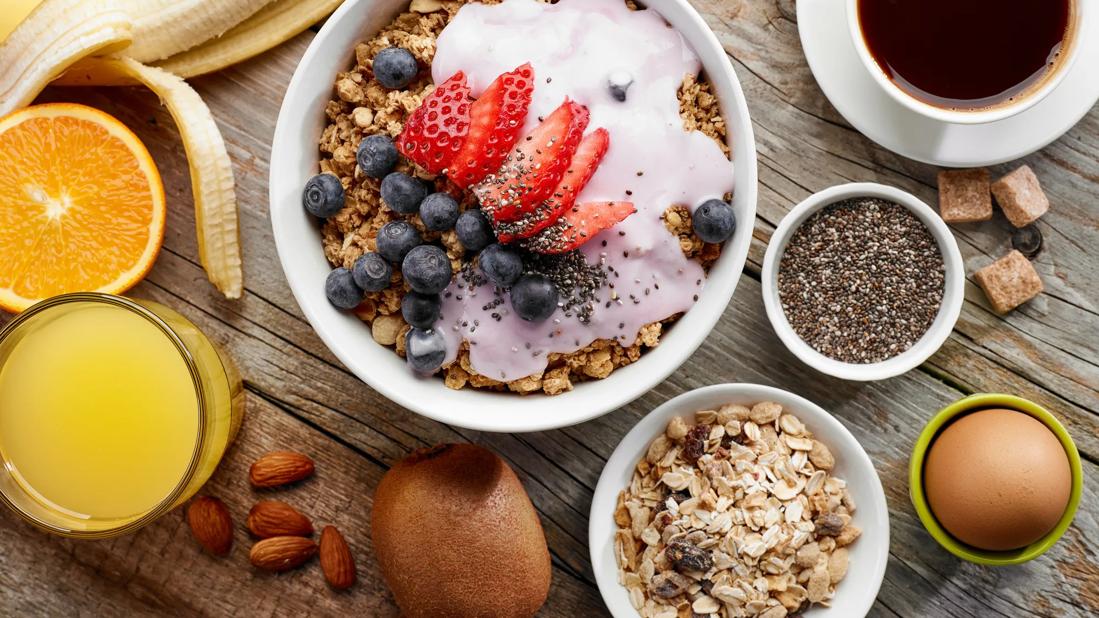
Bowl of granola and oats topped with yogurt and berries, with fresh fruit, coffee, eggs and seeds on table
Your liver cranks up bile production to help your body digest fats in the food you eat. But if that bile can’t get from your liver to where it needs to go … well, that can be a problem
Cleveland Clinic is a non-profit academic medical center. Advertising on our site helps support our mission. We do not endorse non-Cleveland Clinic products or services.Policy
Primary biliary cholangitis (PBC) is a chronic disease that affects your bile ducts, which typically allow bile to flow from your liver. Inflammation and scarring from PBC can create bile backups that eventually lead to liver failure and other health issues
But adjusting your diet can help manage PBC and keep your liver healthier. Gastroenterologist Dian Chiang, MD, explains what should (and shouldn’t) be on your plate
Video content: This video is available to watch online
View video online(https://cdnapisec.kaltura.com/p/2207941/sp/220794100/playManifest/entryId/1_1d94an0t/flavorId/1_5f3sgelj/format/url/protocol/https/a.mp4)
Learn more about how diet can help you manage primary biliary cholangitis symptoms
What is a healthy PBC diet?
First things first: There’s no standard or singular “PBC diet,” Dr. Chiang says. Your specific nutritional needs may change as the disease progresses or your symptoms change
That said, there are some food recommendations that apply to most people with PBC
Foods that are good for PBC
The pillars of the Mediterranean diet typically work well for most people with PBC, given the anti-inflammatory properties of many of the foods it includes
That makes sense because, when it comes to using food as a form of preventive medicine, the Mediterranean diet is often considered the gold standard. Research shows the eating plan can help lower your risk of disease and even help you live longer
Here are some foods to add to your grocery list when you’re living with PBC
Unsaturated fats
Unsaturated fats are the so-called “good” fats (like omega-3 fatty acids) that can be found in fish and some plant-based foods. They’re especially good for people with PBC because they break down more easily during digestion than food loaded with saturated fats
Advertisement
“That means your body needs less bile to get the job done, which puts less strain on your liver,” Dr. Chiang explains
Omega-3 fatty acids also help combat inflammation, which can help keep PBC in check. Look for fish high in omega-3s, like:
- Salmon
- Herring
- Bluefin tuna
- Halibut
- Mackerel
- Anchovies
Not a seafood fan? You can also get omega-3s from plant-based foods, like nuts, seeds, avocados and olives
Fruits and vegetables
From a nutrient standpoint, it’s tough to top what fruits and vegetables provide. They are:
- Anti-inflammatory
- High in fiber
- Full of important nutrients
When you have PBC, certain fruits and veggies bring something else important to the table, too: They help increase your intake of fat-soluble vitamins. These vitamins are abundant in fattier meats and dairy products, which aren’t ideal for people with PBC. (More on that in a bit.) So, it’s important to get them through plant-based foods instead
“People with PBC are often at risk of deficiencies in fat-soluble vitamins,” Dr. Chiang notes. “Eating five or more servings of fruits and vegetables every day can help you get what you need.”
Your provider may recommend supplements to help you get enough of the vitamins you need — but don’t take anything without speaking to them first. Your provider gives you guidance that’s specifically tailored to your health needs
Whole-grain foods
A fiber-rich diet can improve liver function and protect against steatotic (fatty) liver disease and other conditions
Whole-grain foods are packed with fiber, which makes them excellent mealtime choices for anyone with PBC, says Dr. Chiang. Good options include:
- Oatmeal
- Whole-grain bread
- Brown rice
Whole-grain foods are complex carbohydrates, which can help keep your stomach feeling fuller for longer without taking in as many calories or saturated fats
Coffee
Your morning cup of coffee might do more than wake you up — it may also give your liver a helpful jolt
Research shows that coffee may have a protective effect on your liver
“We don’t have the definitive answer as to why, but the caffeine in coffee may activate a small receptor inside the liver that can slow down the progression of PBC,” Dr. Chiang reports
Foods to limit with PBC
Certain foods can place extra demand or stress on your liver, and if you have PBC, that’s something you want to avoid. If you’re living with this disease, try to avoid or limit the following
Saturated fats
Foods that are high in saturated fat put extra pressure on your liver to produce bile, which is an especially bad thing if PBC is keeping bile from flowing efficiently. Saturated fats can also worsen inflammation, which can escalate PBC and further restrict bile flow
Advertisement
Because of that, it’s best to limit foods like:
- Fatty meats, such as certain cuts of beef and pork
- Deli meats
- Other processed meats, like bacon, sausage and hot dogs
- Higher-fat dairy, like butter, ice cream and other milk-based products
Look for leaner cuts of meat without heavy marbling. And substitute low-fat or fat-free dairy products to reap the nutritional benefits of these foods without the saturated fat
Sugary foods and drinks
Added sugar can harm your health in a variety of ways. A sweetened-up diet can be bad for your heart, for instance, and has been linked to weight gain, obesity and diabetes
And as you might suspect, too much sugar isn’t the best for your liver either
“When your body absorbs these sugars, it can lead to fat building up in the liver,” Dr. Chiang explains. “You may find yourself dealing with fatty liver disease in addition to PBC, which can cause you even more trouble.”
Avoid or significantly limit items like:
- Soda
- Baked goods
- Candy
- Other sweet treats
High-sodium foods
As PBC progresses, your body becomes less able to process and remove sodium from your body. So, it’s best to avoid high-sodium foods
“Your kidneys regulate the balance of sodium in your system, and advanced liver disease can affect this process,” says Dr. Chiang. “So, we usually recommend a low-sodium diet, particularly as PBC advances.”
Advertisement
More than 70% of the sodium in people’s diets is estimated to come from pre-packaged, processed foods, like cereals, frozen meals, condiments and more. It’s important to learn where sodium is hiding in your pantry so you can make changes as needed
Alcohol
Your liver’s long list of jobs includes removing alcohol from your blood. But over time, drinking alcohol can lead to a buildup of toxins and fats in your liver, which can contribute to the development of liver disease
“Alcohol is a definite stressor for your liver,” Dr. Chiang cautions. “So, if you have PBC, less is always better.”
Final thoughts
When it comes to diet and PBC, there is no one-size-fits-all answer. Talk with your healthcare provider — and perhaps a registered dietitian — to create an eating plan that fits your needs
Diet alone can’t regulate PBC. But it can be an important part of your treatment plan, alongside options like medication, an exercise regimen and regular checkups to monitor your health
“Right now, there’s no cure for PBC,” Dr. Chiang acknowledges. “But there are things we can do, with diet and treatments, to manage it and slow its progression to a point that it doesn’t affect your quality of life or longevity.”
Advertisement
Better health starts here
Sign up for our Health Essentials emails for expert guidance on nutrition, fitness, sleep, skin care and more.
Example emailSign up
Sign upExample email
Learn more about our editorial process
Health Library
Primary Biliary Cholangitis (PBC)
Overview
Symptoms and Causes
Diagnosis and Tests
Management and Treatment
Outlook / Prognosis
Health Library
Primary Biliary Cholangitis (PBC)
Overview
Symptoms and Causes
Diagnosis and Tests
Management and Treatment
Outlook / Prognosis
Advertisement
Related Articles
July 15, 2026/Digestive
Living With PBC (Primary Biliary Cholangitis)
https://health.clevelandclinic.org/living-with-pbc
Diet, exercise and medications can help slow this chronic, progressive liver disease

November 29, 2024/Digestive
How To Manage PBC Itch
https://health.clevelandclinic.org/managing-pbc-itching
Itching is a common effect of living with primary biliary cholangitis — but certain medications can help

November 26, 2024/Digestive
Answering Your Frequently Asked Questions About Living with PBC
https://health.clevelandclinic.org/primary-biliary-cholangitis-faqs
For example, PBC can cause vitamin deficiencies — but isn’t caused by vitamin deficiencies
July 22, 2026/Nutrition
Are Beets Good for You?
https://health.clevelandclinic.org/the-health-benefits-of-beets
From fighting inflammation to boosting athletic performance, this colorful root veggie offers plenty of health benefits
July 16, 2026/Nutrition
Is Kefir Good for You?
https://health.clevelandclinic.org/benefits-of-kefir
This superfood is loaded with vitamins, minerals and nutrients
July 15, 2026/Wellness
10 Simple Health Habits Worth Adopting
https://health.clevelandclinic.org/healthy-lifestyle-habits
From hydration to meditation, little changes can yield big benefits
July 9, 2026/Nutrition
The Health Benefits of Mangoes
https://health.clevelandclinic.org/mango-benefits
A mango a day may help keep hunger and bloating away
June 26, 2026/Women’s Health
Nutrition and Exercise Throughout Your Menstrual Cycle
https://health.clevelandclinic.org/cycle-syncing
Eating and exercising according to your cycle may reduce PMS and period symptoms
Trending Topics
Nutrition
Is Kefir Good for You?
https://health.clevelandclinic.org/benefits-of-kefir
This superfood is loaded with vitamins, minerals and nutrients

Children’s Health
Looksmaxxing: What It Is and Why It Can Be Harmful
https://health.clevelandclinic.org/looksmaxxing
This online subculture may contribute to self-esteem issues in teenage boys

Ear, Nose & Throat
Why Loose Ear Crystals Make You Dizzy and How To Fix Them
https://health.clevelandclinic.org/bppv-why-loose-ear-crystals-make-you-dizzy-and-how-to-fix-them
When these tiny particles of calcium carbonate come loose, it throws your sense of balance out of whack
Health Categories To Explore
Brain & Nervous System
Children’s Health
Exercise & Fitness
Heart Health
Men’s Health
Mental Health
Nutrition
Orthopaedics
Primary Care
Skin Care & Beauty
Wellness
Women’s Health
Other Popular Categories
Aging WellAllergiesCancer Care & PreventionChronic PainCold, Flu & Respiratory IllnessesDiabetes & EndocrinologyDigestiveEar, Nose & ThroatEye CareInfectious DiseaseLungOral HealthParentingPregnancy & ChildbirthRecipesRheumatology & ImmunologySenior HealthSex & RelationshipsSleepUrinary & Kidney HealthWeight Loss
Ad
Rendered: Fri Jul 24 2026 17:11:13 GMT+0000 (Coordinated Universal Time)
