


Nutrition programs work better with Indigenous food knowledge – Earth.com
07-24-2026
Nutrition programs work better when they include Indigenous food knowledge
ByRaquel Brandao
Earth.com staff writer
A new review has found that Indigenous food knowledge rarely reaches the nutrition programs run in Indigenous communities. Across 39 studies worldwide, nutrition advice still came from the top down, in medical language
That gap, the authors argue, helps explain why so many of those programs fail to take hold. It also sidelines detailed knowledge of local foods, seasons, and land. The review sets out what happens when that knowledge is invited in instead
Policy versus practice

Nitya Rao, a professor at the University of East Anglia (UEA), has spent much of her career studying food, gender, and rural livelihoods. She co-authored the review with two colleagues there
The 39 studies span Indigenous communities on several continents. All of them look at how health and nutrition knowledge gets taught, shared, or imposed
The contradiction is easy to state. International agreements on climate and biodiversity loss now name Indigenous and traditional knowledge as part of the answer. Health and nutrition education has not followed. It still runs on medical instruction handed down from expert to patient
Rao, the review’s lead author, said in reply to Earth.com’s questions, “Yet, state policies, instead of integrating Indigenous knowledge into processes of food systems transformation by recognizing and supporting them, often ignore, or even devalue them in mainstream policy frameworks and livelihood programmes.”
Reading a food system
The review builds around a term the authors call food systems literacy. It covers the knowledge, skills, and conversations people bring to growing, buying, cooking, and eating food
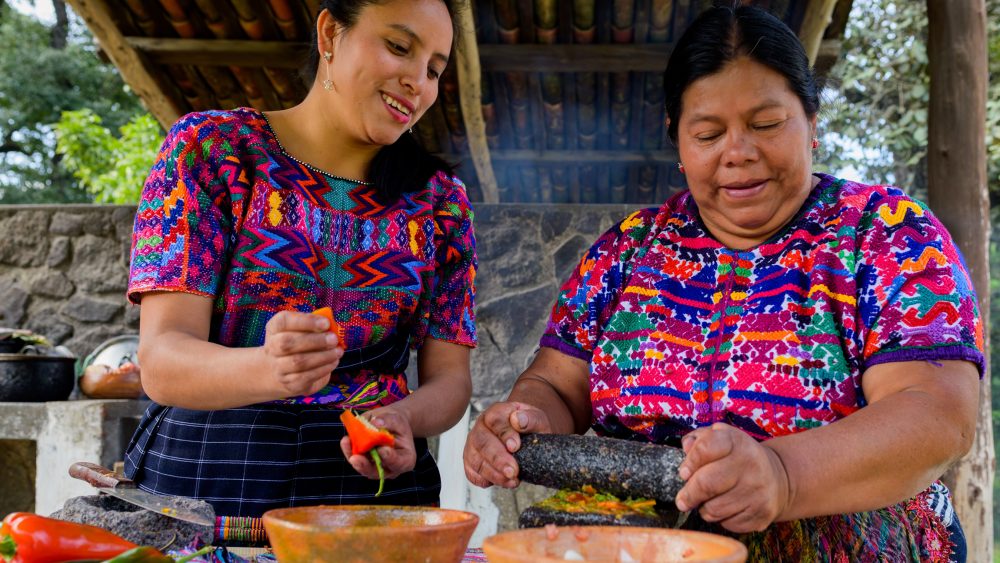
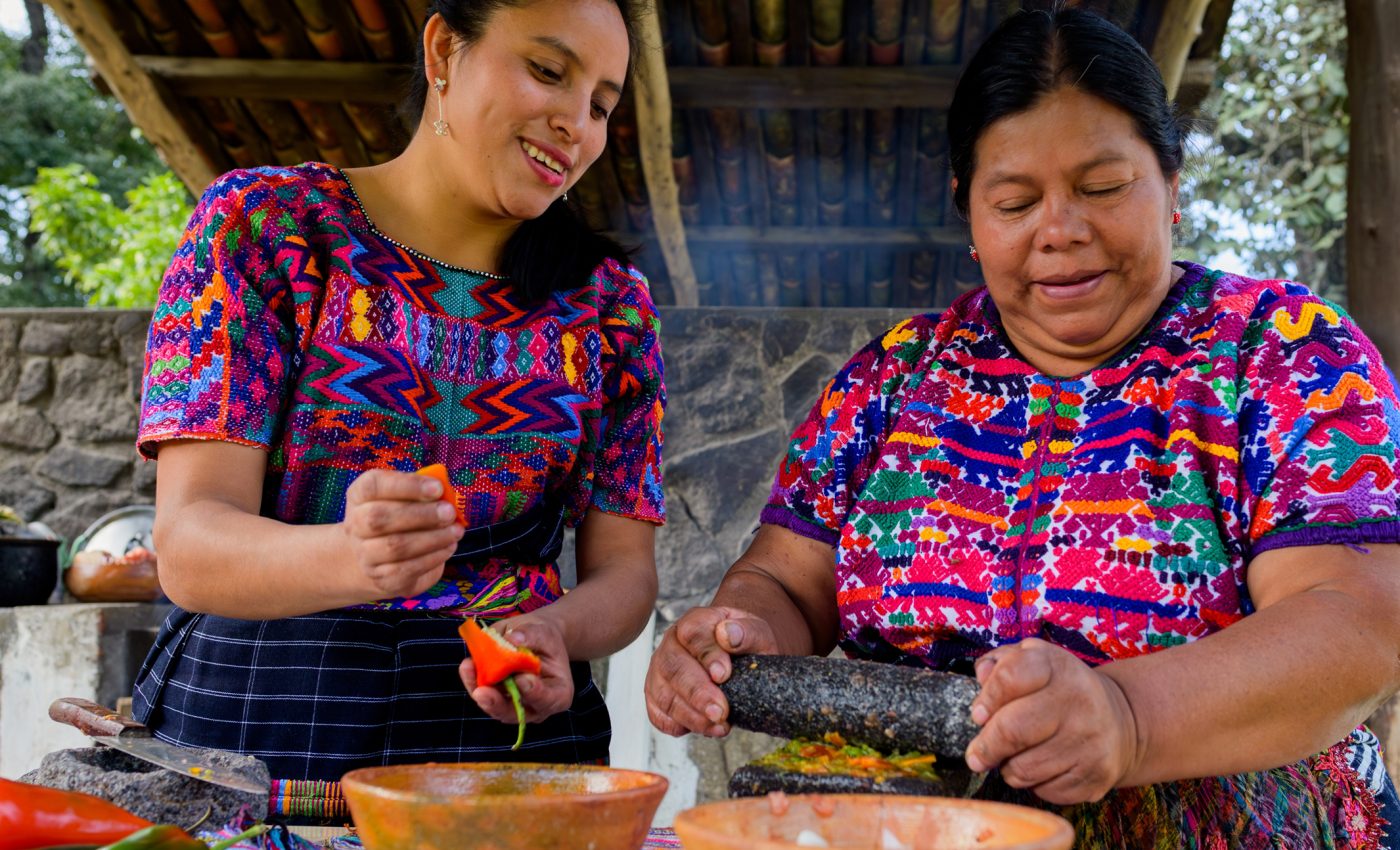
In practice that looks ordinary. It means knowing which wild foods appear after the first monsoon rain, how to cook them, and who eats them
That kind of knowledge shows up in the numbers. One study tracked what women ate in two forested districts of eastern India across a full year
Women who gathered wild food had more varied diets. In June their scores ran about 13 percent higher than those of women who gathered none. The July gap was around nine percent
Those months come before the main harvest, when cultivated food runs short and wild greens fill the gap. The study measured what women ate, not what they knew. Finding that food still depends on knowing where to look
When words do not translate
Language was one of the sharpest obstacles. Across the 39 studies, medical vocabulary often had no equivalent in Indigenous languages, and the words that did exist rarely lined up neatly
Guatemala offers a clear case. A study there compared the country’s national food guidelines with how K’iche’ Mayan families actually sort their food
The two systems barely matched. Official guidance sorts food into a technical hierarchy. K’iche’ families group food by season, by where it grows and by what it is used for
Advice built on the first system can sound authoritative yet mean very little in the second. Interpreters help. So does health promotion run by people from the community itself
Cameras, cooking and conversation
Some things worked. Storytelling, workshops, and cooking demonstrations turned up again and again across the 39 studies, alongside talking circles, short films and smartphone apps
The common thread is direction. Each of these methods lets people speak in their own words rather than sit and receive instruction
In New Zealand, researchers built a mobile health app together with Māori and Pasifika partners. The language, the stories, and the pictures all came from the communities the app was meant for
Speaking with Earth.com, Rao described a project she led. “In my own work, and one of the papers reviewed, I have used cameras and digital tools with young women and men in an Indigenous community in India to document their traditional food knowledges by speaking to the elders, visiting the forests and local markets, talking to women engaged in foraging and food preparation.”
That project is one of the 39 studies in the review. An earlier paper followed ten Santhal young people in eastern India who were trained to make films
They made nearly 50 films and screened them in their own villages. Older relatives supplied much of what went into them
Elders as teachers
Who holds the knowledge matters as much as what the knowledge is. Elders, healers, farmers, and women each carry different parts of it
None of it arrives as a curriculum. It moves between generations through cooking, gathering and long conversation, which is exactly what a nutrition leaflet cannot carry
“Reclaiming and recognising Indigenous knowledge, values and practices to address the different elements of nutrition and health involves recognising intergenerational and wider social relations, and engaging everyone from the elders, healers, educators and farmers to service providers, policymakers and academics, to together raise issues and find solutions,” said Rao
Traditional foods carry knowledge of the local landscape in a way nothing else does. The review treats them as practical re
Where nutrition policy goes next
Until this review, the evidence sat scattered. Dozens of small, local studies looked at Indigenous health communication one community at a time, and earlier reviews stayed within single countries
Programs fail in similar ways across very different regions. In the review’s reading, they fail for reasons that have little to do with the science of nutrition
For practitioners, the practical change is in sequence. The cases that work start with what a community already knows, then build outward
Global food security targets give this some urgency. More than 600 million people are still expected to go without enough food by 2030
Asked by Earth.com what one change would help most, Rao turned to money and culture rather than information. “Recommended foods may be unaffordable to local people, apart from being culturally unacceptable. A poor diabetic woman, for example, may be unable to consume the recommended diet because she has little money, or stays in a joint family, and cannot be seen to be eating special food.”
The knowledge itself is not new. What has changed is the evidence that leaving it out carries a cost. The review also shows that including it can be done well
The study is published in Nature Food
Like what you read? Subscribe to our newsletter for engaging articles, exclusive content, and the latest updates.
Check us out on EarthSnap, a free app brought to you by Eric Ralls and Earth.com
—–
