


Research and Innovation
University of Miami Researchers Showcase Advances in Dementia Detection, Treatment and Brain Health at AAIC 2026
By: Kai Hill | July 24, 2026 | 9 min. read |
Researchers from the University of Miami Miller School of Medicine’s Comprehensive Center for Brain Health presented 16 studies at the Alzheimer’s Association International Conference, highlighting advances in dementia treatment, blood-based biomarkers, cognitive screening and health equity
Researchers from the University of Miami Miller School of Medicine’s Comprehensive Center for Brain Health demonstrated the breadth and impact of their work on dementia, cognitive aging and brain health at the 2026 Alzheimer’s Association International Conference (AAIC), one of the world’s largest gatherings focused on <a href="https://umiamihealth.org/en/treatments-and-services/neurology/memory-disorders/alzheimer%E2%80%99s-disease” rel=”nofollow noopener” target=”_blank”>Alzheimer’s disease and related dementias. The center’s strong showing reflected its growing role in advancing research aimed at improving how clinicians detect, understand and treat neurodegenerative diseases.
AAIC attracted more than 13,000 researchers and clinicians from around the world to share discoveries related to Alzheimer’s disease, dementia care, risk reduction and therapeutic development. Investigators from the Comprehensive Center for Brain Health contributed 16 poster presentations spanning biomarkers, cognitive assessment, population health, and emerging treatment strategies. Together, the research highlighted the center’s multidisciplinary approach to improving brain health across patient populations.
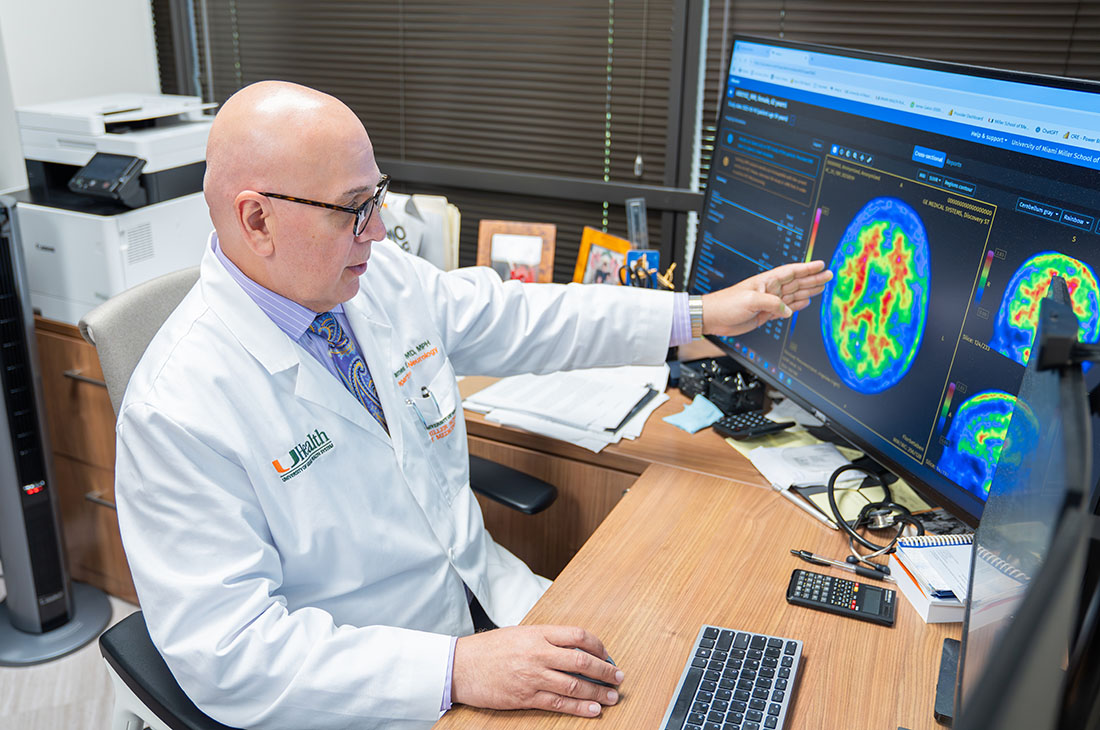
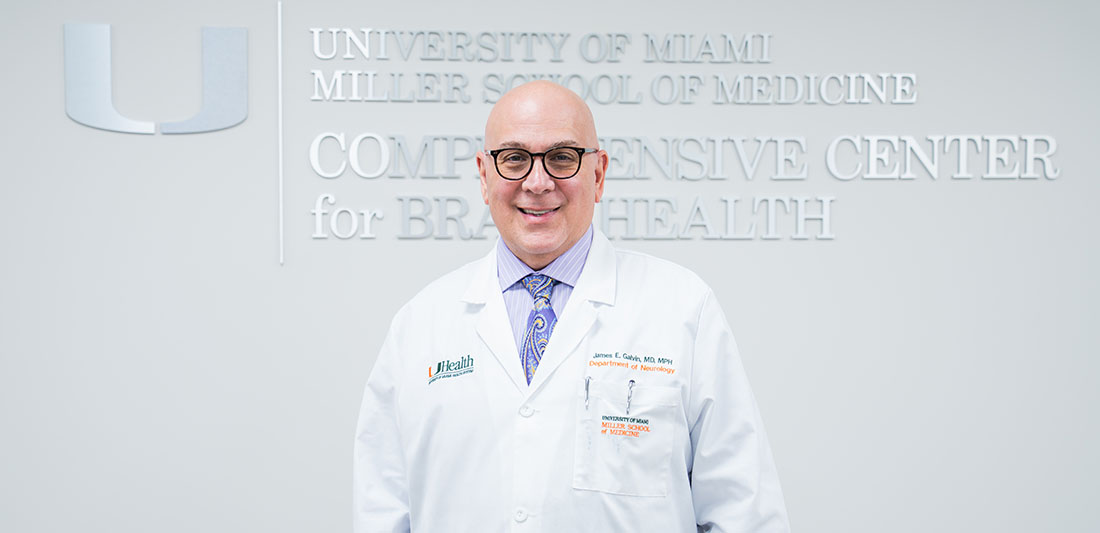
“The breadth of research presented by our investigators reflects our mission to better understand, detect, treat and ultimately prevent cognitive decline and dementia,” said James Galvin, M.D., M.P.H., professor of neurology at the Miller School, chief of the Division of Cognitive Neurology, founding director of the Comprehensive Center for Brain Health and director of the Lewy Body Dementia Research Center of Excellence. “By bringing together expertise across neuroscience, psychology, data science and population health, we are helping to shape the future of brain health research.”
Key Findings at AAIC 2026
- Investigators presented 16 studies advancing understanding of dementia, cognitive aging, biomarkers and overall brain health.
- Findings highlighted promising progress in both treatment and detection, including encouraging results for neflamapimod and the development of the blood-based biomarker MethylCog, which may help identify individuals at risk for cognitive decline earlier.
- Research also examined how social and environmental factors influence cognitive resilience while evaluating new tools that could improve early detection of mild cognitive impairment and dementia-related conditions.
- Studies examined how social and environmental factors influence cognitive resilience and brain health outcomes.
- Investigators evaluated new tools that could help improve the early detection of mild cognitive impairment and dementia-related conditions.
Novel Treatment Shows Promise for Dementia with Lewy Bodies
Among the most notable presentations was research examining neflamapimod, an oral kinase inhibitor under investigation as a treatment for dementia with Lewy bodies (DLB). DLB is the second most common neurodegenerative dementia after Alzheimer’s disease, yet treatment options remain limited
Dr. Galvin and collaborators found that participants who achieved therapeutic drug concentrations experienced a slower rate of clinical worsening and reduced markers of neurodegeneration. The findings provide encouraging evidence that neflamapimod may have disease-modifying potential in patients with DLB who do not have concurrent Alzheimer’s pathology
Blood-Based Biomarker Could Expand Early Cognitive Screening
Researchers also presented promising work on blood-based biomarkers for cognitive health. A team led by Deirdre O’Shea, Ph.D.,assistant professor of cognitive neurology at the Miller School, developed “MethylCog,” a DNA methylation-based index designed to estimate general cognitive ability from a blood sample

The biomarker demonstrated the ability to capture meaningful differences in cognitive aging and may offer a scalable method for identifying individuals at risk for cognitive decline when traditional testing is not readily available. Such tools could prove especially valuable for large population studies and underserved communities where access to cognitive assessments may be limited
“Blood-based biomarkers have the potential to transform how we study cognitive aging at a population level,” Dr. O’Shea said. “MethylCog offers a scalable and objective approach that may help researchers identify subtle differences in cognitive health long before significant impairment becomes apparent.”
New Approaches to Early Dementia Detection
Several presentations focused on improving the detection and diagnosis of dementia-related disorders
One study examined the challenges of identifying prodromal dementia with Lewy bodies in a middle-aged adult before symptoms reached diagnostic thresholds. Researchers emphasized the value of combining multimodal biomarkers with effective communication strategies that help patients and families navigate uncertainty surrounding early disease risk
Another project evaluated the “Puppy Escape” narrative recall task, an open-access assessment designed to detect mild cognitive impairment. Investigators found that the test performed comparably to established memory assessments while offering broader accessibility and automated scoring capabilities that could support use in both research and clinical settings
Research Highlights Cognitive Health Disparities
The conference also showcased research exploring social and environmental influences on brain health
A study led by Ketlyne Sol, Ph.D., research assistant professor of cognitive neurology, found that older adults living in disadvantaged neighborhoods who perceived themselves as having higher social status within their communities demonstrated better cognitive performance. The findings suggest that resilience, social connectedness and community context may play important roles in cognitive health
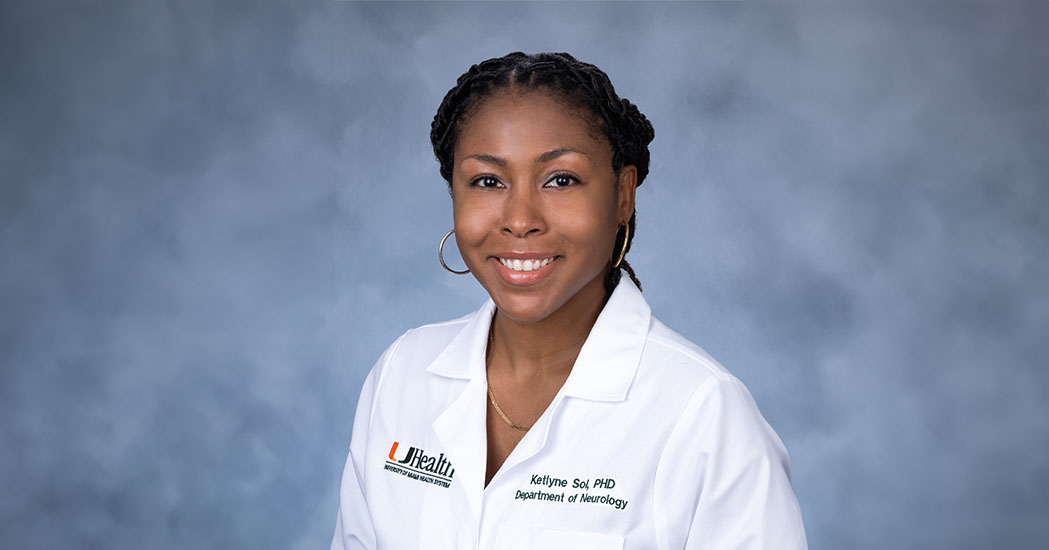
“Brain health is influenced by far more than biology alone,” Dr. Sol said. “Our findings suggest that how people perceive their place within their community may play an important role in cognitive resilience, particularly among those living in disadvantaged neighborhoods.”
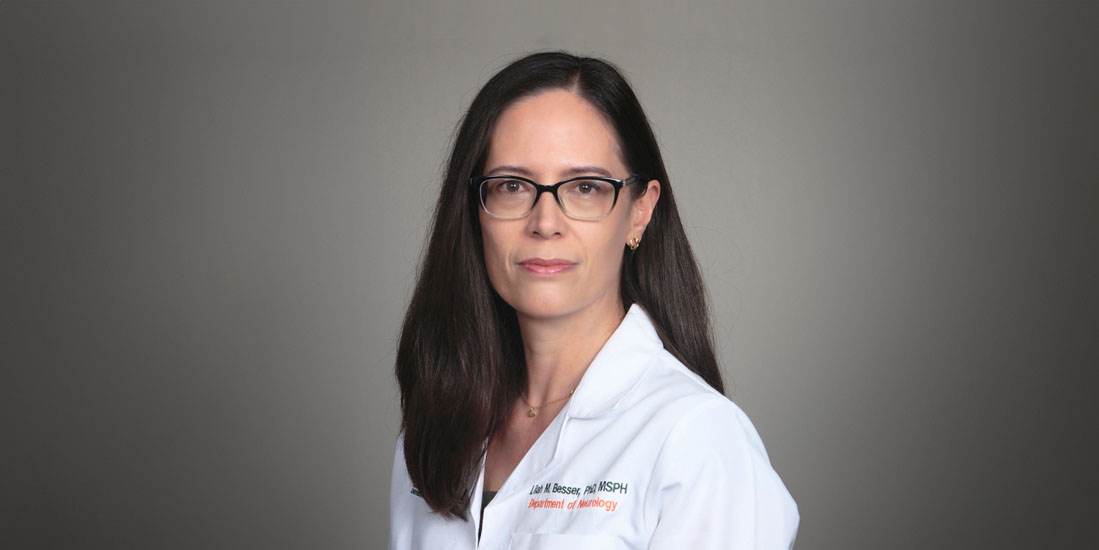
Additional research led by Lilah Besser, Ph.D., research associate professor of neurology at the Miller School, and colleagues examined data from the NIH-funded Rural Roads to Cognitive Resilience cohort. Their findings showed that Black adults living in rural Florida who had multiple chronic health conditions experienced lower cognitive function and greater risk of cognitive decline over time, highlighting the need for interventions that address both medical and social determinants of health.
“What is particularly exciting is that many of these projects focus on earlier detection and intervention,” Dr. Galvin said. “The sooner we can identify people at risk for cognitive decline, the greater our opportunity to improve outcomes and quality of life.”
