



Close Menu
healthylife7.comhealthylife7.com

    Subscribe to Updates

    Get the latest creative news from FooBar about art, design and business.

    What's Hot

    Coming Soon: Sales include buildings for future lifestyle businesses

    July 25, 2026

    Episcopal Health Services expands primary care to improve preventive health

    July 25, 2026

    Lenny Kravitz reveals Mick Jagger was ‘big influence’ on his fitness routine

    July 25, 2026
    Facebook X (Twitter) Instagram
    Trending
    • Coming Soon: Sales include buildings for future lifestyle businesses
    • Episcopal Health Services expands primary care to improve preventive health
    • Lenny Kravitz reveals Mick Jagger was ‘big influence’ on his fitness routine
    • Health Department reports 2 new travel-related cyclosporiasis cases in Hawaii | Honolulu Star
    • Could Psychedelics Help Us Age Better?
    • Hospice Patients Not Specifically Exempted from Medicaid Work Requirements 
    • Psychology says people who manage to keep patience delaying instant gratification often lead healthy, productive and successful life
    • People are paying personal trainers to stretch them — I tried the trend for two months to see if it’s worth it
    Facebook X (Twitter) Instagram
    healthylife7.comhealthylife7.com
    • Home
    • Fitness
    • Health
    • Nutrition
    • Lifestyle
    • Conditions
    • Mental Health
    • Weight Loss
    • Wellness Tips
    Saturday, July 25
    healthylife7.comhealthylife7.com
    Home»Nutrition»Do ultra-processed foods actually harm your brain?
    Nutrition

    Do ultra-processed foods actually harm your brain?

    healthylife7By healthylife7July 25, 2026No Comments4 Mins Read
    Facebook Twitter Pinterest LinkedIn Tumblr Reddit WhatsApp Email
    Do ultra-processed foods actually harm your brain?
    Share
    Facebook Twitter LinkedIn Pinterest WhatsApp Email

    Men's FitnessK.D. Moore
    Fri, July 24, 2026 at 5:33 PM UTC
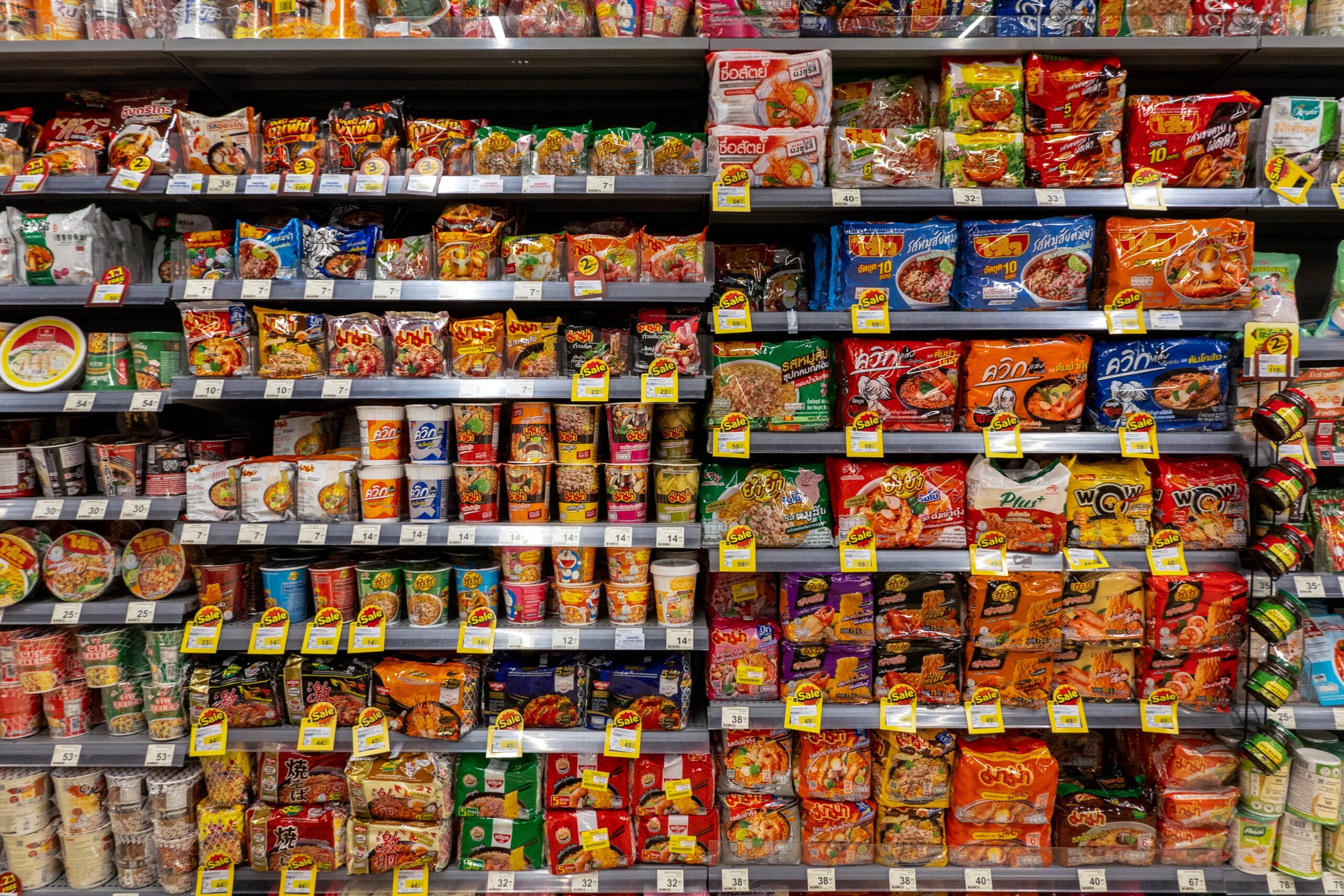

    You’ve probably heard that ultra-processed foods (UPFs) wreck your brain because seed oils inflame you or emulsifiers punch holes in your gut lining. However, the human evidence tells a less dramatic, but considerably more actionable story

    When researchers locked 20 adults in a metabolic ward and fed them either an ultra-processed or an unprocessed diet, matched for calories, energy density, macronutrients, sugar, sodium, and fiber, the ultra-processed group ate 508 more calories per day. But not because the food was more pleasant. Participants rated both diets about equally palatable. Nonetheless, they gained roughly 0.9 kg over the 2-week period on the ultra-processed diet and lost roughly the same amount on the unprocessed diet.

    In the Brazilian Longitudinal Study of Adult Health, 10,775 adults were assessed across three waves roughly four years apart. Participants who got more than about 20% of daily calories from UPFs showed a 28% faster rate of global cognitive decline and a 25% faster rate of executive function decline compared with those below that threshold, over a median 8 years of follow-up. Memory decline was not significantly associated, which is worth noting: the signal landed in executive function, the domain most sensitive to vascular and metabolic insults.

    In the UK Biobank, 72,083 adults aged 55 and older were followed for a median 10 years. Every 10 percentage point increase in UPF intake was associated with a 25% higher hazard of all-cause dementia, with a hazard ratio of 1.28 specifically for vascular dementia. Substituting 10% of UPF weight with unprocessed or minimally processed food was associated with 19% lower dementia risk

    Now the caveats you should hold onto. These are food frequency questionnaires, not measured intake. People who eat the most UPFs differ from people who eat the least in dozens of ways that no covariate adjustment fully captures: income, education, sleep, alcohol, physical activity, and healthcare access. The absolute event counts are also modest. In the UK Biobank analysis, 518 people out of 72,083 developed dementia. That is a real finding, but it does not license panic about any specific ingredient.

    Eating a mostly ultra-processed diet is associated with worse long-term cognitive outcomes, and the strongest mechanistic candidates involve metabolic and cardiovascular pathways rather than chemical toxicity

    This is where the popular narrative falls apart

    Read the NIH crossover trial design carefully, because a detail is consistently misreported. The meals were matched for the energy density presented. It means the standard explanation you’ve heard, that UPFs simply pack more calories per gram, cannot by itself account for the 508-calorie gap in that study. 

    The strongest candidate is eating rate. Softer, more lubricated, less chewy food is swallowed faster, and satiety signaling from the gut is delayed by roughly 15 to 20 minutes. Empty the plate before those signals arrive, and you have eaten more before your body ever gets a vote

    In a two-week ad libitum randomized crossover trial, researchers held the food category constant, keeping both arms ultra-processed, and manipulated only texture to produce a fast or slow eating rate. Daily energy intake was 369 kcal/day lower on the slow-eating-rate ultra-processed diet

    Sustained positive energy balance drives visceral adiposity and insulin resistance. Those drive hypertension, atherogenic dyslipidemia, and dysglycemia. Those are the dominant modifiable risk factors, which is in turn a major contributor to vascular dementia and to the executive dysfunction pattern the cohort studies keep finding

    That framing also explains why the epidemiological signal shows up most strongly for vascular dementia, and why it lands on executive function rather than memory. It is not an ingredient story. It is a cardiometabolic story, and it happens to be one you can act on

    The Evidence-Based Prescription

    To protect long-term brain health, metabolic status, and cardiovascular function, personal dietary choices should shift focus away from single-ingredient panics and toward structured dietary environments:

    1. Keep hyperpalatable, high-energy-dense convenience snacks out of primary daily spaces to prevent mindless overeating

    2. Build daily meals around minimally processed whole foods, whole grains, legumes, vegetables, fruits, and lean proteins, to maximize fiber, micronutrients, and biological satiety cues

    3. Track objective physiological markers,such as blood pressure, ApoB/LDL cholesterol, and HbA1c, which serve as the primary vascular guardians against cognitive decline

    This story was originally published byMen’s Fitnesson Jul 24, 2026, where it first appeared in theNutritionsection. Add Men’s Fitness as aPreferred

    Actually Foods harm Ultraprocessed Your
    healthylife7
    • Website

    Related Posts

    Middle East conflict reaches Indian supermarket through Diet Coke, squeezing aluminium can supply; Aluminium Extrusion, Profiles, Price, Scrap, Recycling, Section

    July 25, 2026

    72% in South India Prioritise Balanced Diet, Bengaluru and Hyderabad Touch 75%

    July 25, 2026

    GLP-1 pills will widen access but nutrition remains key

    July 25, 2026
    Leave A Reply Cancel Reply

    Health
    Lifestyle

    Coming Soon: Sales include buildings for future lifestyle businesses

    By healthylife7July 25, 20260

    The Post-Journal and OBSERVER have been analyzing real estate sales in Chautauqua County and recently looked at the transactions from May 11-15. The county does not provide transaction information, but real estate documents are available for review at the clerk’s office

    Episcopal Health Services expands primary care to improve preventive health

    July 25, 2026

    Lenny Kravitz reveals Mick Jagger was ‘big influence’ on his fitness routine

    July 25, 2026

    Health Department reports 2 new travel-related cyclosporiasis cases in Hawaii | Honolulu Star

    July 25, 2026
    Stay In Touch
    • Facebook
    • Twitter
    • Pinterest
    • Instagram
    • YouTube
    • Vimeo
    Fitness

    Opinion: The FDA must put biotech at its center or continue to cede early research to China

    July 6, 2026

    Inside Elevance’s digital chronic disease management strategy

    July 6, 2026

    Best, Worst States For Well

    July 6, 2026

    What do the Middle Ages tell us about mental health then and now? VCU historian Leigh Ann Craig has answers

    July 6, 2026

    Subscribe to Updates

    Get the latest creative news from SmartMag about art & design.

    About Us

    Welcome to HealthyLife7.com, your trusted source for reliable health, wellness, fitness, and lifestyle information. Our mission is to help people make informed decisions about their health by providing clear, practical, and easy-to-understand content.

    At HealthyLife7.com, we believe that good health starts with the right knowledge. Whether you're looking for healthy eating tips, fitness advice, mental wellness strategies, weight management guidance, or information about common health conditions, our goal is to deliver valuable content that supports a healthier lifestyle.

    Fitness

    Coming Soon: Sales include buildings for future lifestyle businesses

    July 25, 2026

    Episcopal Health Services expands primary care to improve preventive health

    July 25, 2026

    Lenny Kravitz reveals Mick Jagger was ‘big influence’ on his fitness routine

    July 25, 2026
    Health

    Opinion: The FDA must put biotech at its center or continue to cede early research to China

    July 6, 2026

    Inside Elevance’s digital chronic disease management strategy

    July 6, 2026

    Best, Worst States For Well

    July 6, 2026
    Facebook X (Twitter) Instagram Pinterest
    • About Us
    • Contact us
    • Disclaimer
    • Privacy Policy
    • Terms and Conditions
    © 2026 healthylife7.com. Designed by Pro.

    Type above and press Enter to search. Press Esc to cancel.