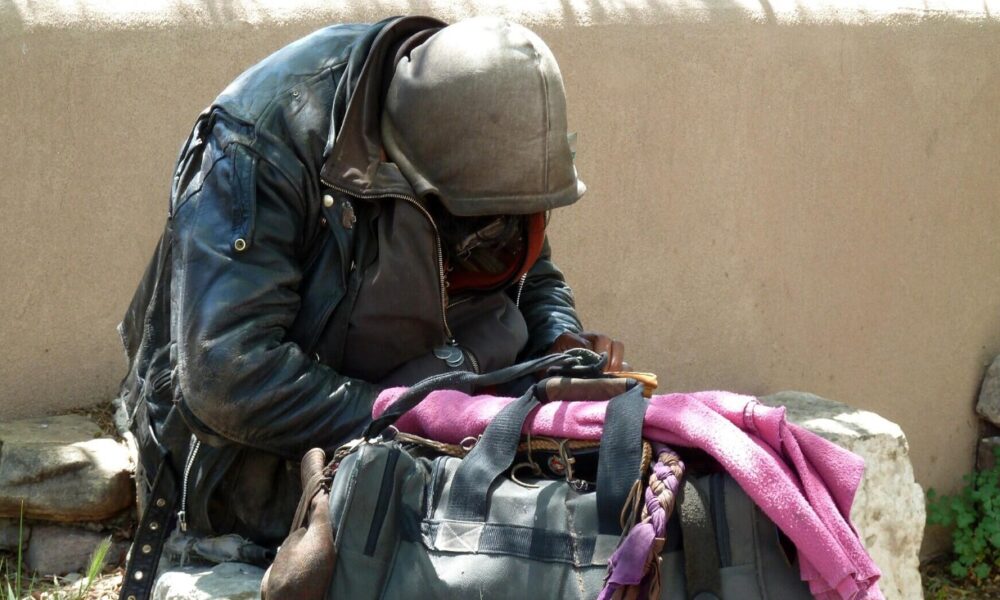
Photo: Pixabay.com / NNPA.
Health and homelessness: The link and the mortality crisis it causes within the Black community
Health and homelessness share a cyclical, bidirectional relationship, as having no house to live in increases one’s risk of developing physical and mental health conditions. Conversely, having poor health can contribute to or even cause one to become unhoused
Black Americans are particularly at risk of homelessness and the health problems associated with it. As an article published by the Journal of Racial and Ethnic Health Disparities points out, the likelihood of Black people experiencing homelessness was five times that of White people
What Is the Connection Between Health and Homelessness?
The link between health and homelessness is a vicious one: people experiencing homelessness are more likely to have poorer physical and mental health, and having physical or mental health problems can be so debilitating that it drains finances for housing
Severe health conditions can also lead to job loss. Having no job or
Homelessness and Physical Well-Being
The University of California, San Francisco, published a report based on the California Statewide Study of People Experiencing Homelessness (CASPEH), which found that 45% of adults experiencing homelessnessself-rated their health as poor or fair. It’s four times the rate within the general U.S. population
The same study found a high prevalence of chronic diseases among the unhoused. Some of the key findings and figures include the following:
- Six in ten individuals reported having at least one chronic condition
- One in eight reported having three or more chronic conditions
- Hypertension, chronic lung disease, and heart disease or stroke are the most common (reported by 30%, 25%, and 15%, respectively)
Facing a homelessness crisis can have a severe effect on one’s physical health, as it causes direct exposure to the elements. Weather extremes (e.g., heat waves, rainstorms, and blizzards) can cause health problems like heatstroke and hypothermia, and storm debris can cause physical trauma
Homelessness and Mental Health
Homelessness places a significant toll on people’s mental health, considering that it strips away basic safety and stability. As the unhoused struggle to find a place to sleep, they also face many other challenges, such as having to look for:
- Enough food to get through the day
- A place where they can use the bathroom facilities
- A way to keep warm or cool
- A place where their belongings can stay safe
As people experiencing homelessness try to accomplish all that, they must also face the stress of dealing with police who force them to move along. In many other cases, they also have to defend themselves against passersby who may harass them
All that chronic distress and duress can build up, increasing the risk of people without homes developing mental illnesses
Homelessness and Mortality
People experiencing homelessness are more likely to die early than those with homes
A report from the Illinois Department of Public Health (IDPH) and the University of Illinois Chicago School of Public Health (UIC SPH), for instance, noted that, in the state, the expectation for unhoused individuals is that they’d die at 55. It’s much shorter than the state’s housed population, which has an expected average lifespan of 74
Income and Homelessness
Having poor health can lead to homelessness, because people who are unhealthy tend to have more serious health conditions that can bar them from gainful employment or having ay to have no means to pay for housing
How Is Homelessness Impacting Black Communities?
Homelessness is more rampant amongst Black individuals than in White communities
Data from the Department of Housing and Urban Development (HUD) shows that in 2024, Black Americans represented 32% of the homeless population. However, they only accounted for 12% of the entire U.S. population
What Help Is Available for Black Americans Experiencing Homelessness?
There are programs and policies designed to provide healthcare for the homeless population, including basic medical care. Mental health homeless services are also available
The Substance Abuse and Mental Health Services Administration (SAMHSA), for instance, funds grants and services designed to support the efforts to end and prevent homelessness among individuals with substance use disorders (SUD) and mental illnesses. Examples include:
- Projects for Assistance in Transition from Homelessness (PATH)
- The Homeless and Housing Resource Center (HHRC)
- Treatment for Individuals Experiencing Homelessness (TIEH)
- Grants for the Benefit of Homeless Individuals (GBHI)
People experiencing homelessness, including members of the Black community, can also find help through various public and private charitable programs, including emergency housing assistance
In Washington, DC, for instance, there’s the Virginia Williams Family Resness in West Michigan, the Mel Trotter Ministries provides shelter services. Aside from emergency housing, meal and wraparound care services are also available
Frequently Asked Questions
What Are Wraparound Care Services for People Experiencing Homelessness?
Wraparound care for the unhoused population is an intensive, holistic approach to managing homelessness. It’s a custom-designed, multidisciplinary support that includes emergency housing, primary healthcare, and mental health care. If necessary, it also provides SUD treatment
Wraparound care even helps people experiencing homelessness prepare for long-term housing. It supports them by providing employment training and life-skills coaching. By combining these with housing and healthcare, they work together to resolve the root causes of housing instability
What Are the Top Causes of Homelessness?
A lack of affordable housing is one of the most common causes of or contributors to homelessness. As rental prices rise quickly, many low-income individuals and families get priced out of housing, putting them at risk of eviction (renters) or foreclosure (mortgage borrowers)
Wages also have to do with homelessness. While salaries may have been increasing, they’re not rising as fast as rental prices and mortgage rates. They can’t keep up, leading to an ever-widening gap between income and housing costs
Help Is Available for People Experiencing Homelessness
Health and homelessness share a deep connection, which is all the more reason for everyone, including governments and advocates, to put in place policies designed to help prevent and stop homelessness for good. By improving access to health and housing, homelessness would be easier to tackle and resolve
Get more of the latest housing, health, and lifestyle news curated for the Black community by exploring the rest of our platform
Don’t Miss
Beyond the Headlines: The Long Road to Recovery After Violent Crime