


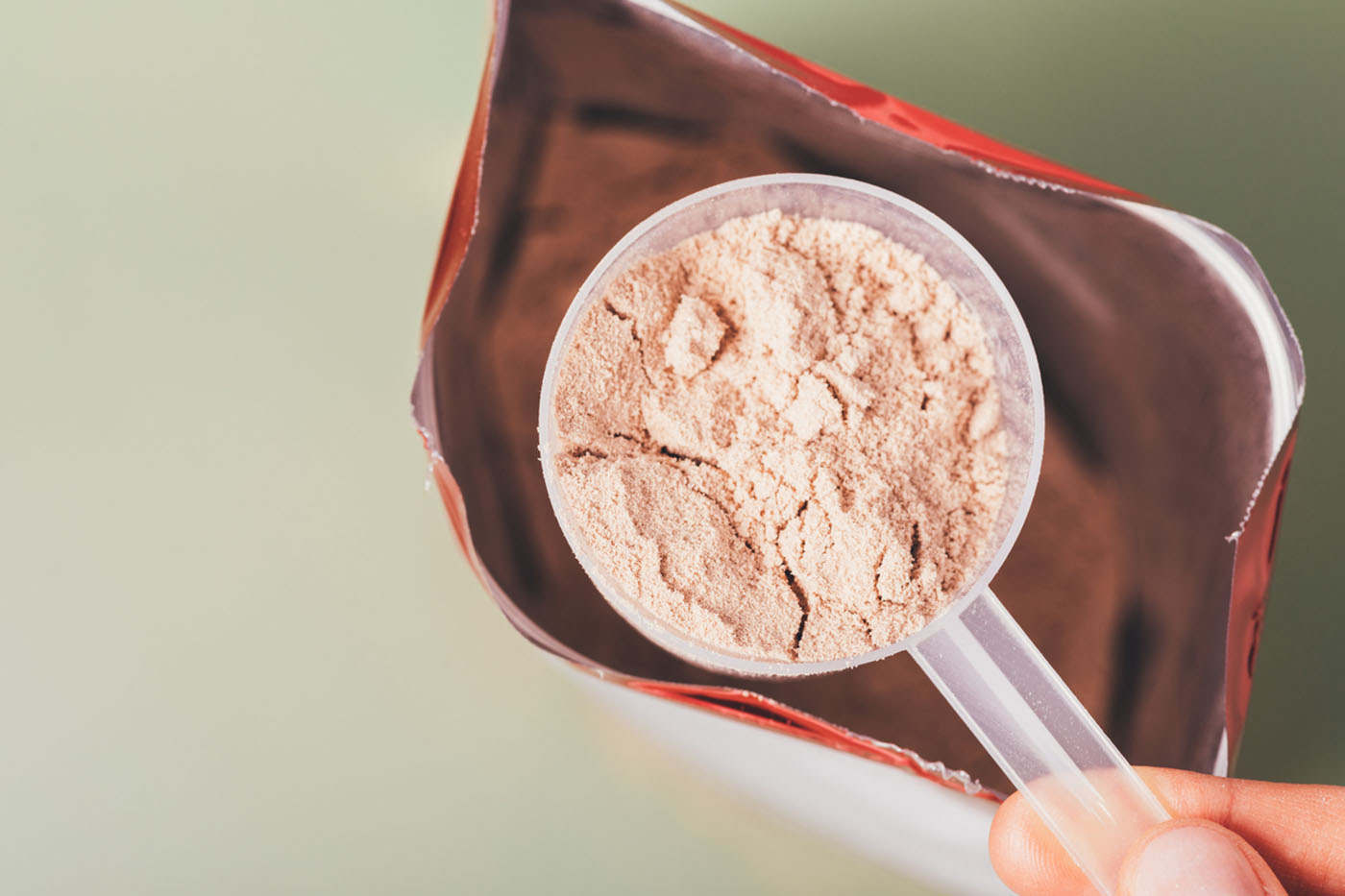
Advice on how much protein to eat should be tailored according to physical activity and lowering intake could be of benefit to many people, possibly even increasing their lifespans
A review of more than 350 research papers, in Cell Press Blue, suggests that restricting protein intake could slow aging by improving metabolism and altering how cells respond to nutrients, reducing damage and keeping them functioning healthily
It is the first time that the hallmarks of protein restriction have been detailed in this way. They include improved metabolic health, induction of nutrient-sensing pathways, decreased senescence, improved mitochondrial function, altered epigenome, and the promotion of healthy aging
Collectively, the studies suggest that manipulating non-essential amino acid levels in the diet could significantly impact the aging process of some tissues and aid metabolic health and brain function, while reducing cardiovascular disease
“It’s absolutely crystal clear that there are benefits of protein to muscle growth and exercise response of active individuals,” acknowledged researcher Dudley Lamming, PhD, from the University of Wisconsin-Madison
“But because most people are relatively sedentary, many people are likely consuming more protein than they actually need, which probably has negative health consequences.”
Previous research has found that eating more protein can promote weight loss and reduce age-related muscle loss in older adults when accompanied by exercise
This prompted updates to the Dietary Guidelines for Americans this year which nearly double previous recommendations on daily protein intake, to 1.2-1.6 grams per kilogram of body weight
But the review revealed that decreasing protein could also have multiple benefits. Key to these were its impact on fibroblast growth factor 21 (FGF21), which rises in people when they eat less protein
This hormone can increase energy expenditure by the body, improve blood sugar control, and reduce inflammation. Preclinical research showed that mice with higher FGF21 levels lived longer than normal ones, with the greatest benefits seen in males
The amino acids methionine, isoleucine, and valine also seem to have an impact. Consuming too much of these amino acids can trigger biological processes that promote growth, raising the risk of obesity, inflammation, and other age-related diseases
The researchers accept that some people’s bodies have greater demands for protein, including pregnant women, children, people who eat a restricted number of calories, and those recovering from injuries. Restricting proteins or specific amino acids could therefore potentially be harmful for these groups
In addition, many elderly individuals are also deficient in protein due to factors such as decreased appetite, financial constraints, and social isolation so protein or amino acid restriction could prove disadvantageous
Protein needs may also be higher for people who exercise—or they may at least be able to consumer higher levels of protein or specific amino acids without metabolic risk
“Recent recommendations have encouraged people to eat more protein, but they’ve also encouraged people to exercise more,” summarized Lamming
“We probably need to personalize protein recommendations based not just on age, but also on how physically active people are.”
News & FeaturesAging (Phenomenon)Amino acidsDietary nutritionEpigenomicsFibroblast growth factorMetabolic syndromeProteins
