


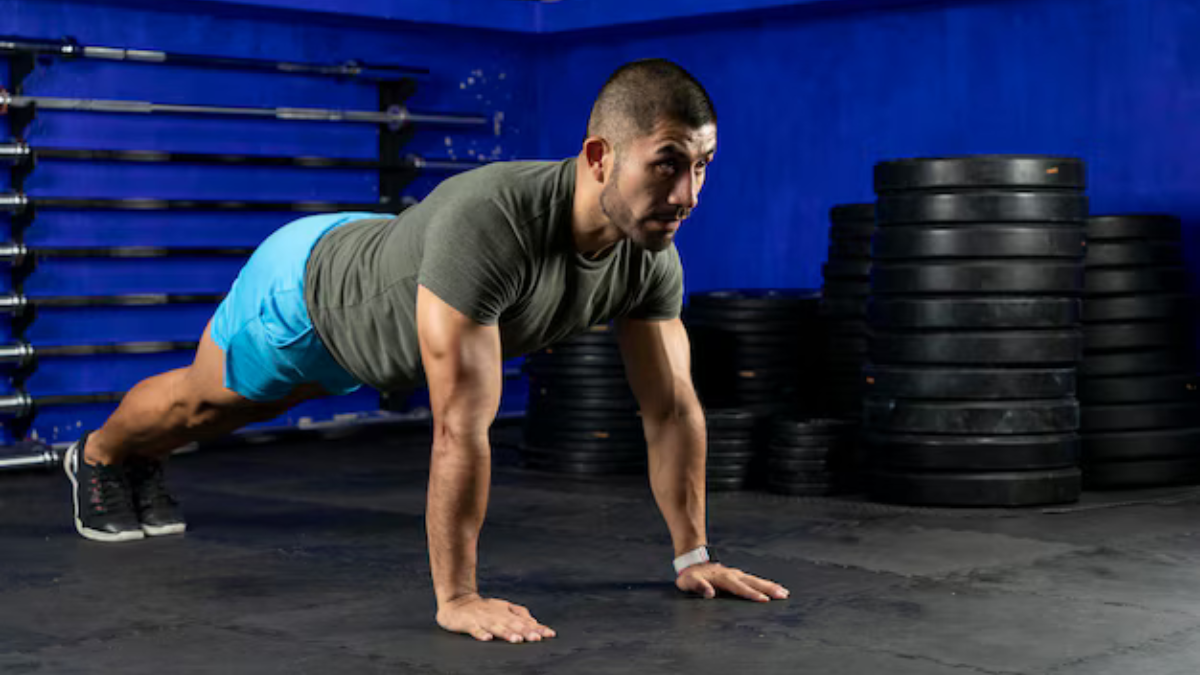
The plank is one of the simplest exercises you can do, yet it remains one of the most misunderstood. Walk into any gym and you will eventually hear someone bragging about holding a plank for five or even ten minutes. It sounds impressive, but does it actually mean they have a strong core? The answer is more complicated than you might think
A long plank hold demonstrates muscular endurance, but there comes a point where spending more time in the position offers very little additional benefit. For most people, improving strength, athletic performance, and injury resilience does not require marathon plank sessions. So how long should you actually be able to hold a plank? The answer depends on your training experience, goals, age, and overall fitness. Scientific research also provides valuable clues about what separates poor, average, and excellent core endurance.
What Does the Plank Actually Train?
The plank is an isometric exercise. Unlike a crunch or sit up, the muscles do not repeatedly shorten and lengthen. Instead, they generate force without movement to stabilize the spine and pelvis. The primary muscles involved include the rectus abdominis, transverse abdominis, internal and external obliques, erector spinae, glutes, shoulders, and even the quadriceps
Research using electromyography has consistently shown that properly performed planks produce high activation of the abdominal wall while minimizing unnecessary spinal movement. This makes the exercise particularly valuable for improving trunk stability
Deadlift vs Squat: Which is Better for Beginners to Build Pure Strength and Muscle Mass?
Rather than teaching the body to flex the spine repeatedly, the plank teaches the core to resist movement. This ability is critical during lifting, running, jumping, throwing, and nearly every athletic activity
Why Core Endurance Matters
Many people think core strength means having visible abs. In reality, your core exists to stabilize your body during movement
When your core muscles fatigue, posture begins to deteriorate. The pelvis tilts, the lower back arches excessively, and movement becomes less efficient
Research has linked greater trunk endurance with improved athletic performance, better balance, and reduced injury risk in several populations
Professor Stuart McGill, one of the world’s leading spine researchers, has spent decades studying core function. His work suggests that endurance of the trunk muscles is often more important than maximal strength for maintaining spinal health and reducing injury risk
This explains why the plank remains a staple in rehabilitation clinics, sports performance centers, and strength training programs
How Long Should You Hold a Plank?
There is no single perfect number, but research and coaching experience provide useful benchmarks
- If you cannot hold a strict plank for at least 20 to 30 seconds, your core endurance likely needs improvement.
- Once you can comfortably maintain excellent technique for one minute, you have already developed a solid level of endurance.
- Beyond two minutes, additional improvements become increasingly specific to plank performance rather than overall functional strength.
The following guidelines work well for healthy adults
Beginner
This range demonstrates a basic level of core endurance. Beginners should focus entirely on maintaining proper alignment instead of chasing longer times
Intermediate
Forty five to ninety seconds
Most recreational lifters and physically active adults fall into this category. This level of endurance is sufficient for general health and most strength training
Advanced
Ninety seconds to three minutes
This represents excellent trunk endurance. Athletes involved in resistance training, CrossFit, military fitness, or recreational sports often achieve these times with consistent practice
Elite
More than three minutes
Elite endurance athletes, gymnasts, military personnel, and experienced strength athletes may comfortably exceed three minutes. However, additional benefits become limited unless your sport specifically requires prolonged isometric endurance
Why Longer Is Not Always Better
Holding a plank for ten minutes makes for an entertaining social media video, but it is not necessarily an indicator of superior fitness. Stuart McGill has repeatedly argued that once an exercise becomes easy enough to perform for very long periods, it no longer provides an optimal training stimulus for improving strength
Instead of holding a plank for increasingly longer periods, progression should come from increasing difficulty. Examples include lifting one arm, lifting one leg, adding external load, increasing instability, or performing more challenging plank variations
These methods increase muscular demand without requiring excessively long sets
Technique Is More Important Than Time
A perfect thirty second plank is far more valuable than a sloppy two minute plank
- Many people unknowingly compensate as fatigue builds.
- The hips begin to sag.
- The lower back arches excessively.
- The shoulders shrug toward the ears.
- The neck extends.
- The abdominal wall relaxes.
- Each of these changes reduces training effectiveness while increasing unnecessary stress on the spine.
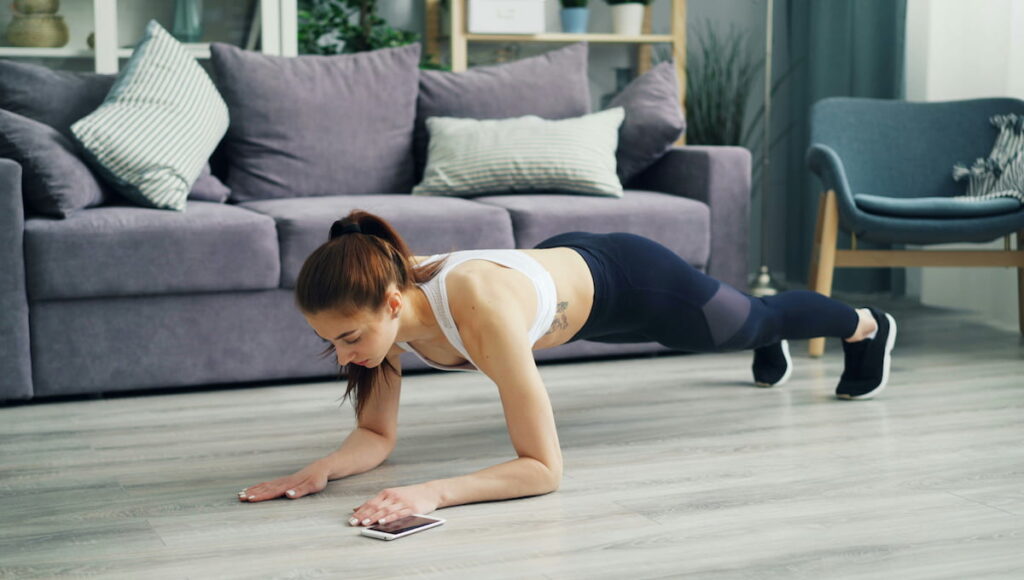
- A quality plank should maintain a straight line from the shoulders through the hips to the ankles.
- The glutes should remain tight throughout the hold.
- The ribs should stay pulled down instead of flaring upward.
- The elbows should remain directly beneath the shoulders.
- The head should stay neutral with the eyes looking toward the floor.
If any of these positions break down, the set should end
Can Plank Time Predict Fitness?
Not entirely. The plank measures one specific quality, namely trunk endurance. Someone who can squat 400 pounds may only hold a plank for ninety seconds. A marathon runner may hold one for five minutes despite having relatively low maximal strength
Fitness is multidimensional. Strength, endurance, mobility, power, speed, coordination, and cardiovascular capacity all contribute to overall athletic ability. The plank should therefore be viewed as one useful assessment rather than a complete fitness test
Age Changes What Is Considered Good
Like nearly every physical quality, muscular endurance gradually declines with age. Loss of muscle mass, changes in connective tissue, reduced physical activity, and neurological changes all contribute. Fortunately, research shows that resistance training and regular exercise significantly slow these declines
A healthy adult in their sixties who consistently trains may outperform an inactive individual in their twenties. Instead of comparing yourself to elite athletes, focus on maintaining or improving your own performance over time. As a general guide, maintaining at least sixty seconds with excellent form throughout adulthood represents a worthwhile goal for long term health
How to Improve Your Plank Time
Improvement comes from progressive overload, just like every other strength exercise. Start by mastering thirty second holds with perfect form. Gradually increase the duration until reaching approximately ninety seconds
After that, instead of simply adding more time, make the exercise harder. Elevating the feet, wearing a weighted vest, reaching one arm forward, lifting one foot, or using unstable surfaces all increase the challenge
Improving overall strength also helps. Research shows stronger glutes, shoulders, and trunk muscles all contribute to better plank performance. Training compound lifts such as squats, deadlifts, overhead presses, and loaded carries complements plank development by strengthening the entire kinetic chain
The Bottom Line
For most healthy adults, holding a strict plank for sixty to ninety seconds represents an excellent level of core endurance. Anything beyond two to three minutes offers diminishing returns unless your sport specifically requires prolonged isometric endurance
Instead of chasing endless plank times, prioritize quality, progressive overload, and balanced core training. Remember that the best plank is not the longest one. It is the one performed with perfect technique that helps you become stronger, healthier, and more resilient
Key Takeaways
| Goal | Recommended Plank Time |
|---|---|
| Beginner | 20 to 45 seconds |
| Recreational fitness | 45 to 90 seconds |
| Strong and athletic | 90 seconds to 3 minutes |
| Elite endurance | More than 3 minutes |
| Long term health target | At least 60 seconds with perfect form |
| Best progression | Increase exercise difficulty rather than endlessly increasing time |
References
- Ekstrom, R.A., Donatelli, R.A. and Carp, K.C., 2007. Electromyographic analysis of core trunk, hip, and thigh muscles during nine rehabilitation exercises. Journal of Orthopaedic and Sports Physical Therapy, 37(12), pp.754–762.
- Hibbs, A.E., Thompson, K.G., French, D., Wrigley, A. and Spears, I., 2008. Optimizing performance by improving core stability and core strength. Sports Medicine, 38(12), pp.995–1008.
- McGill, S.M., 2010. Core training evidence translating to better performance and injury prevention. Strength and Conditioning Journal, 32(3), pp.33–46.
- McGill, S.M., Childs, A. and Liebenson, C., 1999. Endurance times for low back stabilization exercises. Archives of Physical Medicine and Rehabilitation, 80(8), pp.941–944.
- Reed, C.A., Ford, K.R., Myer, G.D. and Hewett, T.E., 2012. The effects of isolated and integrated core stability training on athletic performance measures. Sports Medicine, 42(8), pp.697–706.
- Schoenfeld, B.J. and Grgic, J., 2019. Effects of resistance training frequency on measures of muscle hypertrophy. Sports Medicine, 49(11), pp.1687–1697.
- Tong, T.K., Wu, S. and Nie, J., 2014. Sport specific endurance plank test for evaluation of global core muscle function. Physical Therapy in Sport, 15(1), pp.58–63.
- Willardson, J.M., 2007. Core stability training applications to sports conditioning programs. Journal of Strength and Conditioning Research, 21(3), pp.979–985.
Tags:core strengthplank
Why Spending 5 Minutes in a Deep Squat Could Improve Mobility, According to Strength Side
Previous
