


From Philly and the Pa. suburbs to South Jersey and Delaware, what would you like WHYY News to cover? Let us know!
Dozens of thank you cards, photos and colorful drawings decorate Dr. Elana McDonald’s office door. They’re from her young patients at Memphis Street Pediatrics in North Philadelphia, many of whom she’s been treating for years since they were babies
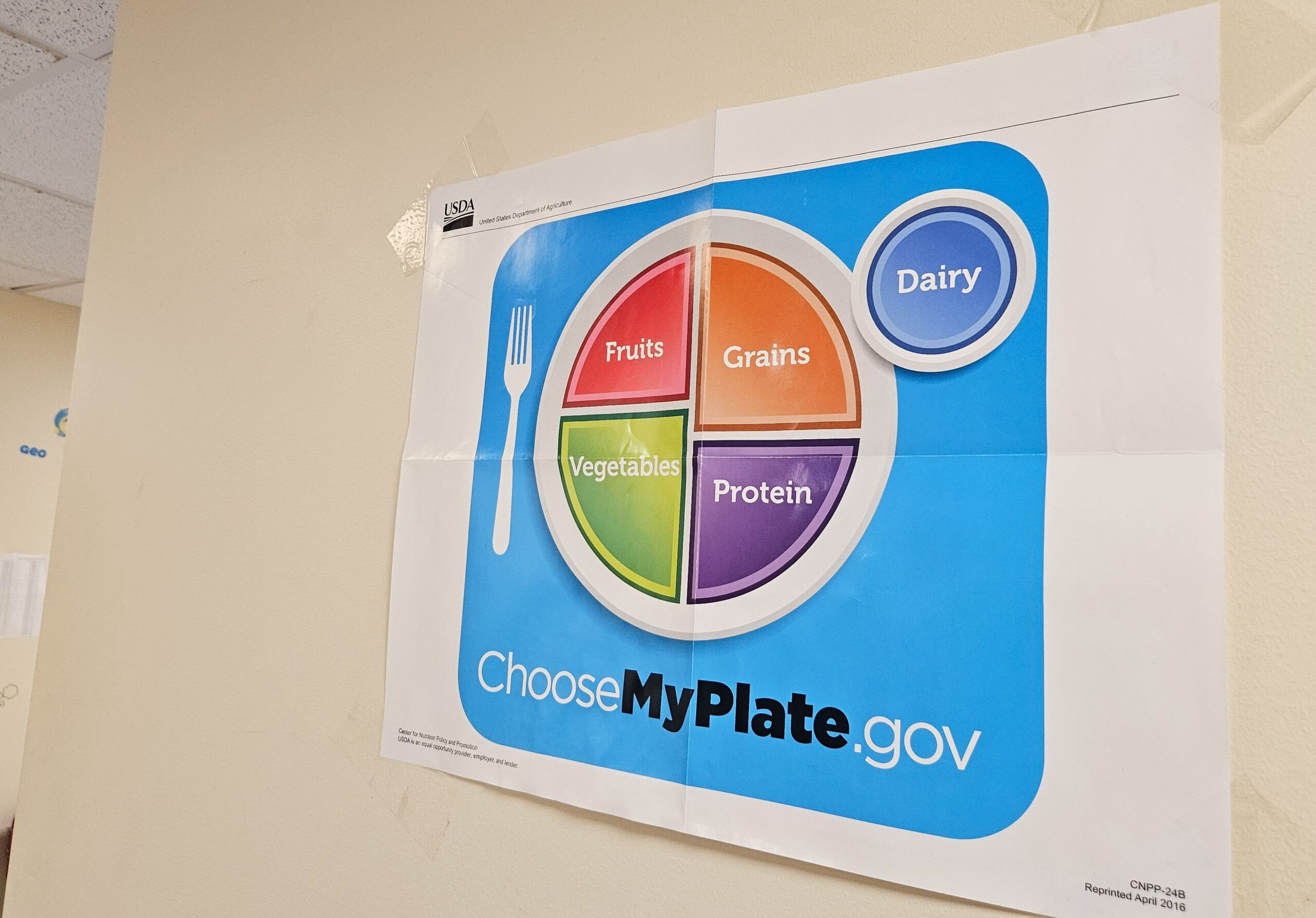
And in between all of their important growth measurements, milestone tracking, vaccinations, temperature checks, sick visits and annual physical exams, McDonald constantly talks with parents and families about nutrition, healthy eating and the risks of obesity
“We see the trends, we get to see the growth chart every year when they come in, we can see which direction you’re going in,” she said. “We’re having a discussion about healthy eating and physical activity from day one. From day one.”
About 1 in 5 children in Philadelphia are considered obese, as well as roughly one-third of all adults, according to city and state data
Pediatricians and primary care providers are on the frontlines of this growing health epidemic. Confronting the drivers of weight gain and poor diet needs to happen as early as possible, they say – during childhood and regularly in adulthood
But talking about weight, eating habits and obesity treatment options requires sensitivity, patience and the absence of judgement, said Dr. Samantha Flanagan, a family medicine practitioner and obesity specialist at Temple University
“To me, giving someone the best care possible is focusing on what their goals are and what they’re hoping for and making sure they’re receptive,” said Flanagan, who is also an assistant professor of clinical family and community medicine. “We want them to come back and keep interacting with the medical system so that they can get these health outcomes.”
Asking permission to talk about weight and obesity
Many of the adult patients that Flanagan sees in primary care clinics and Temple’s weight-loss program have already had negative experiences in the health care system when it comes to weight-related health issues
“People tell me things like, ‘I had a doctor tell me everything is because of my weight, and they’re not going to do X, Y, or Z because I need to lose weight,’” Flanagan said. “And then I’ve had patients tell me that they just don’t want to be shamed about their weight. Some people avoid going to the doctor or seeking medical care because they fear the scale, they fear what someone’s going to tell them about their weight, they fear that whatever concern they have, it’s going to be dismissed.”
To overcome that and start building trust in the doctor’s office, Flanagan said she first asks people for permission to talk about their weight, eating habits and obesity-related health issues
Even though some providers may bristle at this idea, she said it pays off
“Whether or not we should or shouldn’t be asking permission, you get better buy-in from your patient if you do,” she said
During a well visit, Flanagan may tell a patient that their weight could be contributing to specific health issues and concerns they’re having. She then asks them if they could have a conversation about it then, or if they’d be more comfortable scheduling a follow-up appointment to talk more in depth about it
“And I would say I’ve almost never had a negative response to that,” she said. “The vast majority of patients say, ‘Yeah, I would love to talk about it, but I didn’t know how to bring it up.’”
It can be important to create that kind of opportunity, especially during someone’s primary care visit, Flanagan said. But she also knows it can be hard to do when doctors have to cram in all sorts of exams and discussions about other health issues in such a limited amount of time
Concerns about obesity risk don’t always make the cut, she said
“There can be some hesitation, because it is not a short conversation. Do you want to open that can of worms when you have three patients waiting for you? Do I really want to start talking about this now when I have 15 other things I need to do for this patient anyways?” Flanagan asked. “It’s usually not life or death that you have to address someone’s weight that second, but it’s something that if we just keep kicking the can down the road, eventually it does become that way, not necessarily from the weight itself, but from all of the consequences that come from that.”
In the pediatric setting, McDonald said she incorporates discussions about weight early on, especially while she’s educating new parents and growing families about the importance of healthy eating, nutrition and physical activity in childhood
It also involves creating a safe space for families to open up and tell her about challenges they face in finding fresh produce, being able to afford the costs of healthy eating, traveling to a food store and having an area for kids to run around and play, all while trying to take care of their own health
“Sometimes as physicians, we have the ideal way it should be done, but then we’re in the real world,” McDonald said. “You have to understand the community that you are servicing and you have to understand their barriers to meet them where they are.”
Teaching the next generation of health providers, families to address obesity
Doctors and nurses are bound to come across obesity in their careers, no matter what kind of medicine or specialty they’re practicing in, Flanagan said, and they need to be prepared to talk about it
At Temple, she emphasizes education on obesity medicine with medical students and has them do exercises about how to approach the topic with future patients
“I give cases of patients and I ask them how they would broach the conversation and practice, what’s the phrasing? How would you bring this up? As an exercise to say: How do you just tie this into care?” she said
Flanagan also advocates for including more standardized nutrition education in medical curricula and clinical training, as it can vary from program to program
She hopes these approaches help future doctors and nurses avoid the mistakes that some of their predecessors have made, which have led to negative patient experiences around obesity care, or a failure to address it at all
“We at least have to acknowledge that obesity is part of a lot of people’s health care,” she said. “And it starts to raise questions on, how do we manage this? How do we pay for this as a society? How do we see the future of these types of treatments?”
At younger ages, pediatricians are working hard to prevent obesity from occurring in the first place. McDonald and her colleagues try to help more families adopt nutritious eating and active lifestyles from the get-go so that a new generation of kids may lead healthier lives
“I always tell my families, your children have the gift of time,” McDonald said “There are always small changes that they can make that will make a huge difference.”

Never miss a moment with the WHYY Listen App!
Play, pause, and rewind the live radio stream, access on-demand audio features, and dive into podcasts from both local and national


WHYY is yournprofit organization, we rely on financial support from readers like you. Please give today
