


Beyond surgery: Can nutrition, lifestyle help prevent uterine fibroids?
Date:
7 August 2026 4:00am WAT


By Vivian Obi
For millions of Nigerian women, prevention may be the missing conversation
This article is adapted from the author’s Master of Public Health capstone research completed at Monroe University, New York. For many Nigerian women, the word fibroid carries more fear than hope. It is a diagnosis often whispered among friends, discussed quietly within families, or discovered unexpectedly after years of enduring painful menstrual periods, heavy bleeding, persistent pelvic pain, or difficulty conceiving. By the time many women seek medical attention, surgery has become the only option presented to them.
Across Nigeria, stories of women postponing weddings, delaying pregnancy, struggling with infertility, or travelling long distances in search of treatment have become increasingly common. Families organise fundraisers for surgery. Religious gatherings hold special prayers for women hoping to conceive after a myomectomy. Some women live with symptoms for years because they believe the pain is “normal,” while others avoid hospitals out of fear that they will be told their womb must be removed.
These stories are not isolated experiences. They represent a growing public health concern that deserves far more attention than it currently receives. Yet, amid the conversations about surgery and fertility, an equally important question is often overlooked: Can some cases of uterine fibroids be prevented—or at least delayed—through healthier nutrition and lifestyle choices? Recent scientific evidence suggests that the answer may be more encouraging than many people realise. While nutrition and lifestyle cannot completely eliminate the risk of fibroids—and they are certainly not cures— they are increasingly recognised as important factors that may influence how fibroids develop, how quickly they grow, and how severe their symptoms become. This emerging evidence offers women, healthcare professionals, and policymakers an opportunity to shift part of the conversation from treatment alone to prevention and early intervention.
A silent burden affecting millions
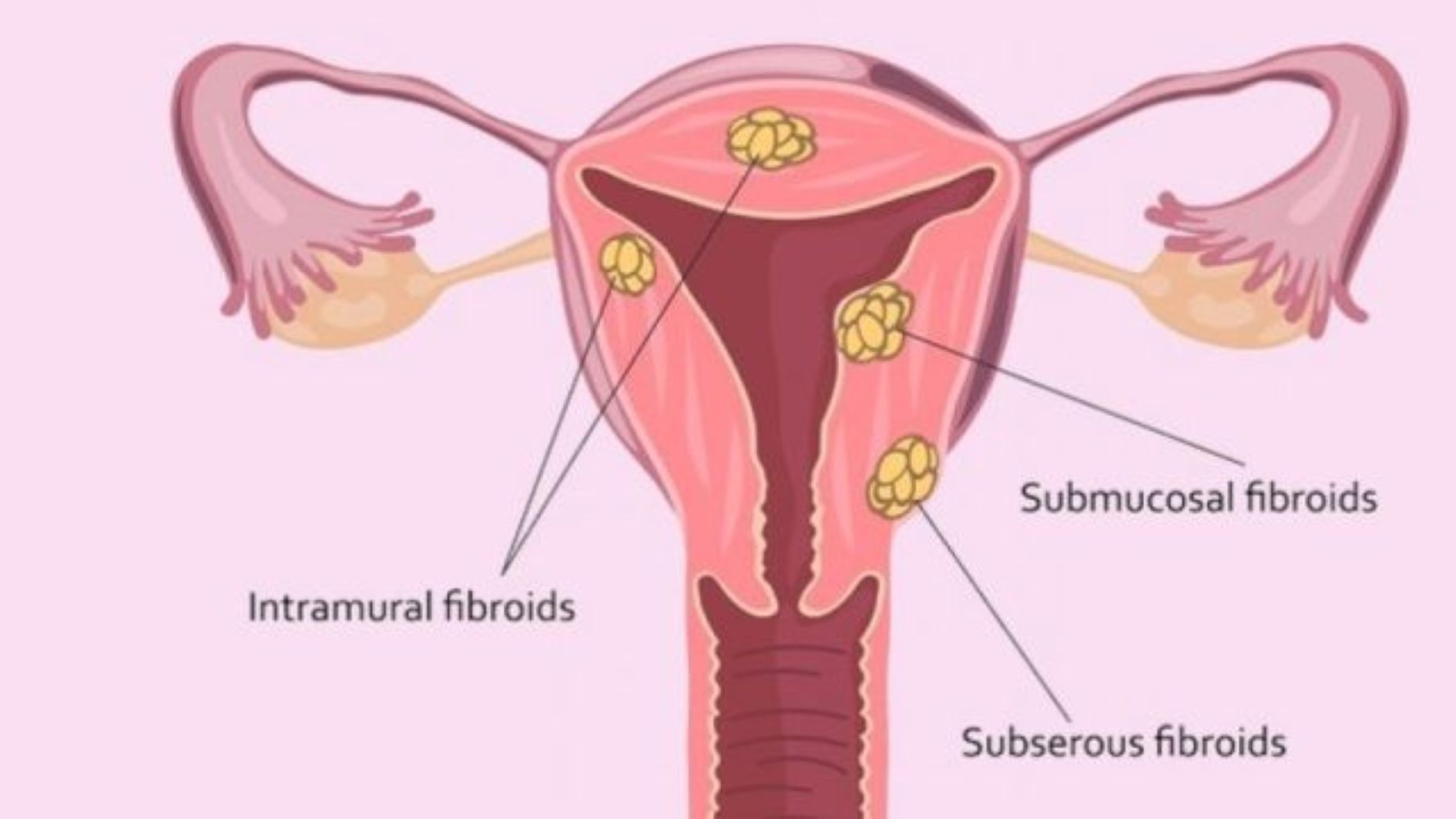
Uterine fibroids, medically known as leiomyomas, are non-cancerous growths that develop within or around the muscular wall of the uterus. Although they are benign, their impact on women’s health can be profound. Scientific studies estimate that between 70 and 80 per cent of women will develop uterine fibroids during their reproductive years, making them the most common non-cancerous tumour affecting women worldwide
Many women never develop symptoms, but for countless others, fibroids become at miscarriages, infertility, pregnancy complications, and emotional distress. In many parts of Nigeria, these symptoms are often accepted as a normal part of womanhood
A teenage girl who experiences extremely heavy menstrual bleeding may simply be told that she “takes after her mother.” A newly married woman who struggles to conceive may face blame from family members before anyone considers investigating a possible fibroid. Women suffering persistent pelvic discomfort frequently self medicate or seek traditional remedies long before consulting a qualified healthcare provider
These delays often mean that fibroids continue growing unnoticed until they significantly affect quality of life. Beyond the physical symptoms lies another burden that receives far less attention—the emotional and financial cost. Women living with fibroids may repeatedly miss work because of severe menstrual bleeding or debilitating pain. Others spend years moving from one hospital to another searching for affordable treatment. Families often shoulder enormous healthcare expenses while coping with anxiety surrounding fertility and future pregnancies.
Although much of the available economic research comes from the United States, where fibroids are estimated to cost more than 34 billion dollars annually in healthcare expenses and lost productivity, the financial impact in countries like Nigeria may be even more devastating because most healthcare costs are paid directly by patients and their families
Why black women face greater risk
One of the most important—and perhaps least understood—findings from recent scientific research is that uterine fibroids do not affect all women equally. Studies consistently show that Black women develop fibroids more frequently, at younger ages, and often experience larger tumours and more severe symptoms than women from many other racial groups. They are also more likely to require surgical treatment during their reproductive years
Scientists believe this disparity results from a complex interaction of genetics, hormones, environmental exposures, vitamin D deficiency, healthcare access, and social determinants of health rather than any single cause. For Nigeria, these findings carry enormous significance. With one of Africa’s largest populations of women of reproductive age, Nigeria may already bear a substantial share of the global burden of uterine fibroids. Yet awareness remains relatively low, preventive education is limited, and many women first learn about fibroids only after symptoms become severe enough to require medical intervention.
This reality presents an opportunity for public health leaders. Instead of focusing almost exclusively on surgery after fibroids have developed, greater attention can be given to helping women understand the lifestyle and nutritional factors that research suggests may influence risk before serious complications occur. Importantly, this approach does not imply that women are responsible for causing fibroids. Many risk factors— including age, genetics, and hormonal influences—cannot be changed. However, growing scientific evidence indicates that several lifestyle behaviours are modifiable and may contribute to reducing risk or slowing disease progression.
Changing the conversation from treatment to prevention
For decades, medical management of fibroids has centred largely on monitoring tumour growth until symptoms become severe enough to justify medication or surgery. While these treatments remain essential, they do little to address the underlying factors that may contribute to fibroid development. Today, researchers around the world are increasingly exploring a different question: What if prevention began long before surgery became necessary?
Emerging evidence suggests that nutrition, vitamin D status, body weight, physical activity, stress management, and environmental exposures may all play meaningful roles in fibroid development. Although researchers continue to study these relationships, the findings already point toward an important public health message: healthy lifestyle choices may not only improve overall wellbeing but could also become valuable tools in reducing the burden of uterine fibroids
For Nigerian women, this shift in thinking could transform how fibroids are discussed—not simply as a condition to be treated after diagnosis, but as a women’s health issue that deserves earlier education, preventive action, and greater national attention
Obi is a public health researcher and graduate of Monroe University, New York. Her work focuses on women’s health, epidemiology, nutrition, disease prevention, and health equity, particularly in African populations
