


Lifestyle | Wellness
Beyond the spike: are continuous glucose monitors for non-diabetics worth the hype?

By Clifford OlandayAug 07, 2026
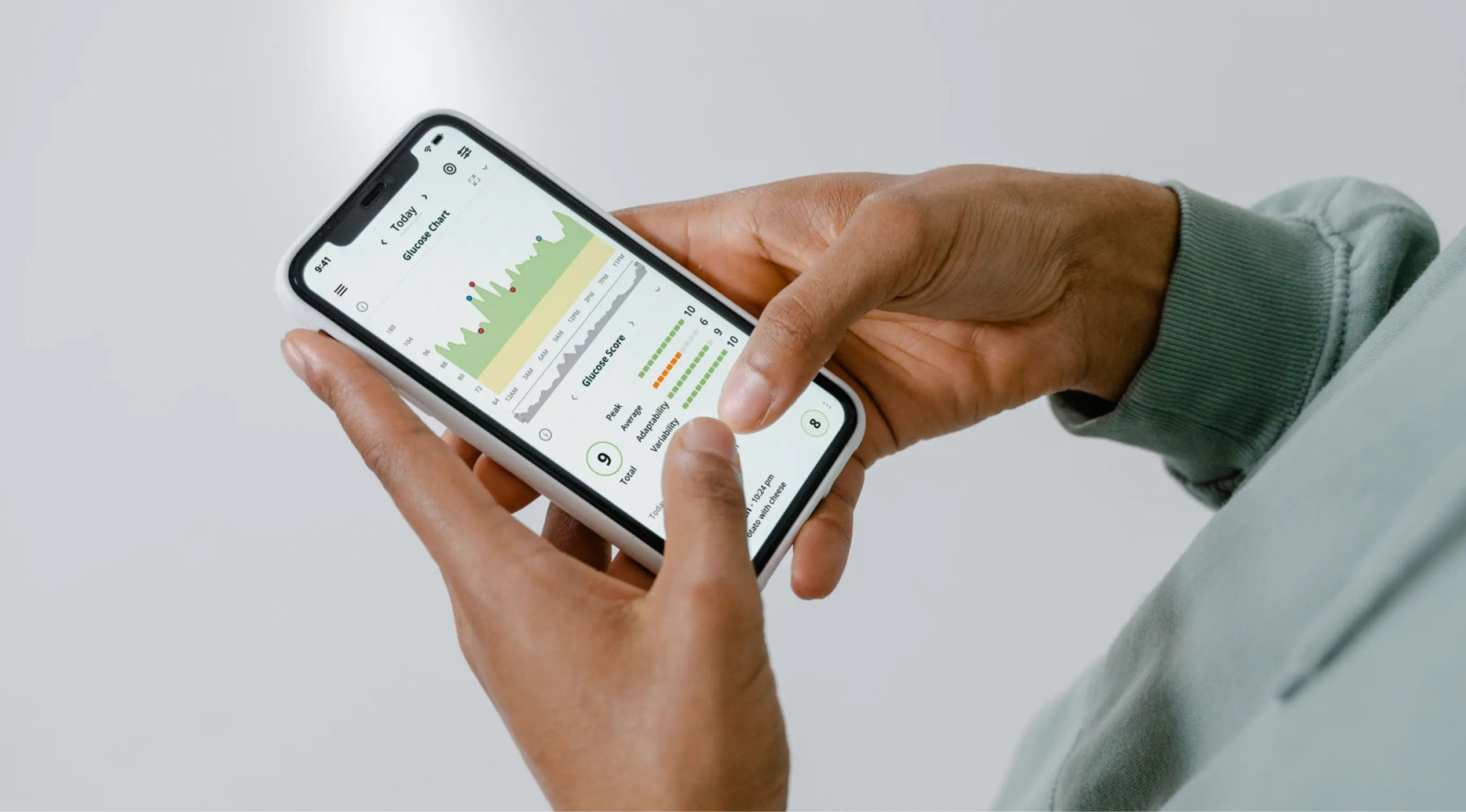
CoverWearable lifestyle sensors such as continuous glucose monitors can provide valuable health insights, but not every fluctuation in the data warrants concern (Photo: Unsplash)
As continuous glucose monitors enter the premium wellness space, the challenge is separating genuine health insights from unnecessary dietary anxiety
Continuous glucose monitors (CGMs) were originally engineered as a vital tool for individuals managing diabetes. By reading the sugar levels in the fluid just beneath the skin, these small, upper-arm sensors provided a dynamically updated view of metabolic shifts, preventing dangerous blood sugar extremes
The technology has since crossed over into the premium wellness space, where these prescription-grade medical devices serve as lifestyle accessories, driving a massive trend in CGMs for non-diabetics. Individuals are adopting them to optimise their daily energy, refine their nutrition and track biological longevity. The underlying promise is clear: by monitoring your data, CGMs can help flatten your internal curves, stabilise your focus and protect your cellular health
In case you missed it:Are full-body scans overkill? Navigating the rise of high-precision health screening
The gap between metric and mechanism
The marketing surrounding CGMs for non-diabetics frequently implies that everyday blood sugar fluctuations are undesirable disruptions to wellness, linking flat lines directly to optimal longevity. The consumer apps paired with these devices frequently use colour-coded alerts or low daily scores to signal a spike after a user consumes carbohydrates, implying that a perfectly steady metric is the ultimate sign of vitality
Clinical evidence, however, paints a more nuanced picture. For an individual without diabetes, a transient rise in blood sugar after eating is not a malfunction; it is a healthy, natural physiological response. The human pancreas releases insulin precisely to manage this influx, moving sugar efficiently into cells for energy
A comprehensive systematic review published in the Journal of Medical Internet Researchhighlighted that while CGMs can successfully prompt positive lifestyle and dietary adjustments, there remains a lack of robust clinical data demonstrating long-term health benefits for individuals without diabetes. Furthermore, a study in Frontiers in Endocrinology noted that sugar responses are highly variable. The same meal can produce vastly different readings in the same individual based on sleep quality, stress levels or the time of day, meaning a single isolated spike tells you very little about your long-term metabolic health.
Don’t miss:Returning to running after childbirth: what postnatal recovery often overlooks
The trade-off: anxiety and dietary restriction
Adopting medical monitoring for casual lifestyle adjustments involves distinct limitations. The first is data precision. Consumer sensors measure the fluid just under the skin rather than a direct sample from a standard doctor’s blood test, creating a natural lag time of up to 15 minutes. This can lead users to misattribute a physical sensation to a delayed reading
The higher cost is psychological. When healthy individuals treat normal physiological fluctuations as errors to be corrected, it often breeds an anxious relationship with food. This is evident across Asia, where regional staple foods like rice, noodles and dim sum naturally cause more pronounced blood sugar rises than Western fats and proteins. Discerning practitioners report an increase in healthy clients unnecessarily eliminating these nutrient-dense foods to avoid a temporary rise on their smartphone screen. This self-imposed restriction can inadvertently reduce essential dietary fibre, potentially altering gut microbiome diversity and compromising overall nutritional balance.
Navigating your metrics
Approaching the use of CGMs depends on your current metabolic baseline. If you have a family history of metabolic dysfunction or your annual executive screening shows your blood work trending toward the upper threshold of normal, a short-term tracking period can be exceptionally useful. In this context, a sensor acts as an educational mirror, revealing how a brisk 20-minute walk after lunch can efficiently blunt a rise in blood sugar, or how altering your food order, like eating protein and vegetables before carbohydrates, safely manages the curve.
However, if your regular clinical blood tests are consistently optimal, treating a wearable sensor as a permanent supervisor is often overkill. Your body possesses a highly sophisticated, automated system for maintaining equilibrium. True metabolic health is not defined by a rigid, artificial flat line on an app, but by your system’s natural resilience and ability to return to baseline efficiently. Use the technology to understand your general habits, but trust your physiology to manage the rest.
Peptides are everywhere in wellness. How much of the promise is backed by evidence?
Women’s longevity fitness: what actually matters, according to exercise science
Beyond rest: these wellness therapies take recovery further
Topics
WearablesGlucose monitoringHealthOptimisationDiet
After more than a decade in lifestyle media, Clifford has mastered the art of writing seriously about things that are fun—and writing fun things about people who take themselves very seriously. At Tatler Asia, he helped steer its flagship lists, Tatler’s Most Influential and Asia’s Most Stylish. And today, he leads T-Labs, Tatler Asia’s content innovation hub, where he continues the noble pursuit of lifestyle storytelling, spinning stories on wealth, entertainment, necessary style, Hallyu, Hollywood, beauty and more for audiences across Asia.
