

Close Menu
healthylife7.comhealthylife7.com

    Subscribe to Updates

    Get the latest creative news from FooBar about art, design and business.

    What's Hot

    WHO and Tsinghua University launch collaboration to strengthen global health emergency preparedness

    August 7, 2026

    Healthy Lifestyle Habits Can Support Brain Health Throughout the Aging Process

    August 7, 2026

    University of Miami Researchers Study Genetic Change Linked to Alzheimer’s Risk in Men

    August 7, 2026
    Facebook X (Twitter) Instagram
    Trending
    • WHO and Tsinghua University launch collaboration to strengthen global health emergency preparedness
    • Healthy Lifestyle Habits Can Support Brain Health Throughout the Aging Process
    • University of Miami Researchers Study Genetic Change Linked to Alzheimer’s Risk in Men
    • VJ Edgecombe, multiple Sixers back in the gym as workouts continue
    • New UN-led survey shows low levels of malnutrition in children from Gaza
    • One man works to slow fast-growing Ebola outbreak, and he’s doing it unpaid
    • Real Madrid 2027 125th Anniversary Lifestyle Shirt Leaked
    • Ashwagandha: Benefits, side effects, and safety concerns
    Facebook X (Twitter) Instagram
    healthylife7.comhealthylife7.com
    • Home
    • Fitness
    • Health
    • Nutrition
    • Lifestyle
    • Conditions
    • Mental Health
    • Weight Loss
    • Wellness Tips
    Friday, August 7
    healthylife7.comhealthylife7.com
    Home»Conditions»MASLD: Exploring the systemic impact of fatty liver disease
    Conditions

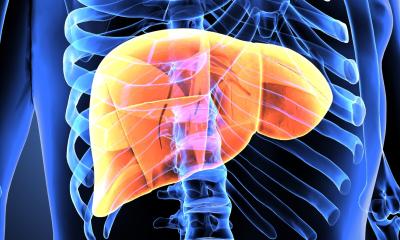
    MASLD: Exploring the systemic impact of fatty liver disease

    healthylife7By healthylife7August 7, 2026No Comments4 Mins Read
    Facebook Twitter Pinterest LinkedIn Tumblr Reddit WhatsApp Email
    MASLD: Exploring the systemic impact of fatty liver disease
    Share
    Facebook Twitter LinkedIn Pinterest WhatsApp Email

    People with MASLD have an elevated risk of cardiovascular disease, cognitive decline, and other metabolic complications, yet the biological mechanisms connecting these conditions remain incompletely understood. In a new study published in the journal Aging, researchers investigated whether lipocalin-2 (LCN2), a protein involved in inflammatory and metabolic signaling, is associated with early vascular dysfunction, cognitive impairment, and cardiovascular risk in patients with MASLD. 

    The study was led by co-first authors Gaetano Pacinella from the University of Palermo, and the Internal Medicine and Stroke Care Ward, Policlinico “P. Giaccone”, Palermo, and Alessandro Del Cuore from the same institutions. Gaetano Pacinella also served as the corresponding author. 

    Advertisement

    Advertisement

    Advertisement

    Advertisement

    At present, LCN2 should be primarily considered a marker of systemic inflammatory burden and disease severity, and its potential as a therapeutic target warrants further investigation in mechanistic and interventional studies

    Gaetano Pacinella et al.

    The investigators conducted a cross-sectional study involving 40 patients with recently diagnosed MASLD and 40 age- and sex-matched control participants without liver disease. They measured circulating LCN2 levels together with endothelial function using the reactive hyperemia index (RHI), myocardial mechano-energetic efficiency (MMEE), and cognitive performance using the Mini-Mental State Examination (MMSE). Compared with controls, patients with MASLD had significantly higher LCN2 concentrations, poorer endothelial function, lower myocardial mechano-energetic efficiency, and lower MMSE scores. Even after adjustment for age, body mass index, and diabetes, MASLD remained independently associated with elevated LCN2 levels, impaired endothelial function, and reduced cognitive performance. 

    To better understand these associations, the researchers performed additional analyses to determine whether LCN2 itself independently predicted vascular dysfunction or cognitive impairment. Although LCN2 levels were significantly higher in patients with MASLD, the relationships between LCN2 and vascular or cognitive measures were no longer statistically significant after accounting for major cardiometabolic risk factors. These findings suggest that elevated LCN2 primarily reflects the broader metabolic and inflammatory burden associated with MASLD rather than acting as a direct cause of cardiovascular or neurological dysfunction. 

    The findings also reinforce the concept that MASLD affects multiple organ systems. In addition to liver disease, patients demonstrated evidence of endothelial dysfunction, subtle cardiac functional impairment, and early cognitive changes. The authors suggest that chronic low-grade inflammation, insulin resistance, adipose tissue dysfunction, and vascular injury likely interact to drive these systemic complications, highlighting the importance of evaluating cardiovascular and neurological health alongside liver disease in patients with MASLD. 

    Recommended article
    Photo

    News • Advances in precision medicine

    MASLD: Research reveals two types of fatty liver disease

    Metabolic-associated fatty liver disease has 2 types – a liver-specific type and a systemic type that affects other organs and tissues. This discovery could lead to better diagnosis and treatments

    “At present, LCN2 should be primarily considered a marker of systemic inflammatory burden and disease severity, and its potential as a therapeutic target warrants further investigation in mechanistic and interventional studies,” the researchers state.  

    The study also identified endothelial dysfunction as a potentially useful indicator of cardiovascular risk in MASLD. Reactive hyperemia index measurements successfully distinguished patients with MASLD from healthy controls, supporting the value of noninvasive vascular assessment in this population. However, the authors emphasize that the study’s cross-sectional design cannot establish cause-and-effect relationships and that larger longitudinal studies will be needed to determine whether improving metabolic health or reducing systemic inflammation can prevent cardiovascular and cognitive complications. 

    Overall, this study adds to growing evidence that MASLD should be viewed as a systemic metabolic disease rather than an isolated liver disorder. By linking MASLD with endothelial dysfunction, early cognitive impairment, and increased circulating LCN2 levels, the findings support a more comprehensive approach to patient evaluation. While additional research is needed to clarify the biological role of LCN2 and determine whether these changes can be modified therapeutically, the study highlights the importance of early cardiovascular and neurological risk assessment in patients with MASLD. 

    Source: Impact Journals LLC 

    07.08.2026

    More on the subject:

    exploring fatty Impact MASLD systemic
    healthylife7
    • Website

    Related Posts

    University of Miami Researchers Study Genetic Change Linked to Alzheimer’s Risk in Men

    August 7, 2026

    Ashwagandha: Benefits, side effects, and safety concerns

    August 7, 2026

    News: Base Editing Protects Brains From Mutant Huntingtin

    August 7, 2026
    Leave A Reply Cancel Reply

    Health
    Health

    WHO and Tsinghua University launch collaboration to strengthen global health emergency preparedness

    By healthylife7August 7, 20260

    Geneva, Switzerland, July 2026 — The World Health Organization (WHO) and the Vanke School of Public Health (VSPH) at Tsinghua University, People’s Republic of China, have launched a two-year collaboration to strengthen global health emergency preparedness through research, capacity-building and the application of frontier technologies, including artificial intelligence (AI)

    Healthy Lifestyle Habits Can Support Brain Health Throughout the Aging Process

    August 7, 2026

    University of Miami Researchers Study Genetic Change Linked to Alzheimer’s Risk in Men

    August 7, 2026

    VJ Edgecombe, multiple Sixers back in the gym as workouts continue

    August 7, 2026
    Stay In Touch
    • Facebook
    • Twitter
    • Pinterest
    • Instagram
    • YouTube
    • Vimeo
    Fitness

    Opinion: The FDA must put biotech at its center or continue to cede early research to China

    July 6, 2026

    Inside Elevance’s digital chronic disease management strategy

    July 6, 2026

    Best, Worst States For Well

    July 6, 2026

    What do the Middle Ages tell us about mental health then and now? VCU historian Leigh Ann Craig has answers

    July 6, 2026

    Subscribe to Updates

    Get the latest creative news from SmartMag about art & design.

    About Us

    Welcome to HealthyLife7.com, your trusted source for reliable health, wellness, fitness, and lifestyle information. Our mission is to help people make informed decisions about their health by providing clear, practical, and easy-to-understand content.

    At HealthyLife7.com, we believe that good health starts with the right knowledge. Whether you're looking for healthy eating tips, fitness advice, mental wellness strategies, weight management guidance, or information about common health conditions, our goal is to deliver valuable content that supports a healthier lifestyle.

    Fitness

    WHO and Tsinghua University launch collaboration to strengthen global health emergency preparedness

    August 7, 2026

    Healthy Lifestyle Habits Can Support Brain Health Throughout the Aging Process

    August 7, 2026

    University of Miami Researchers Study Genetic Change Linked to Alzheimer’s Risk in Men

    August 7, 2026
    Health

    Opinion: The FDA must put biotech at its center or continue to cede early research to China

    July 6, 2026

    Inside Elevance’s digital chronic disease management strategy

    July 6, 2026

    Best, Worst States For Well

    July 6, 2026
    Facebook X (Twitter) Instagram Pinterest
    • About Us
    • Contact us
    • Disclaimer
    • Privacy Policy
    • Terms and Conditions
    © 2026 healthylife7.com. Designed by Pro.

    Type above and press Enter to search. Press Esc to cancel.