




A mother has criticised military contractors after her toddler became violently ill while living in a mouldy Army home
Leah Emmett, 22, had to rush her 18-month-old daughter to hospital after her family was moved into an “absolutely filthy” home at Catterick Garrison in North Yorkshire
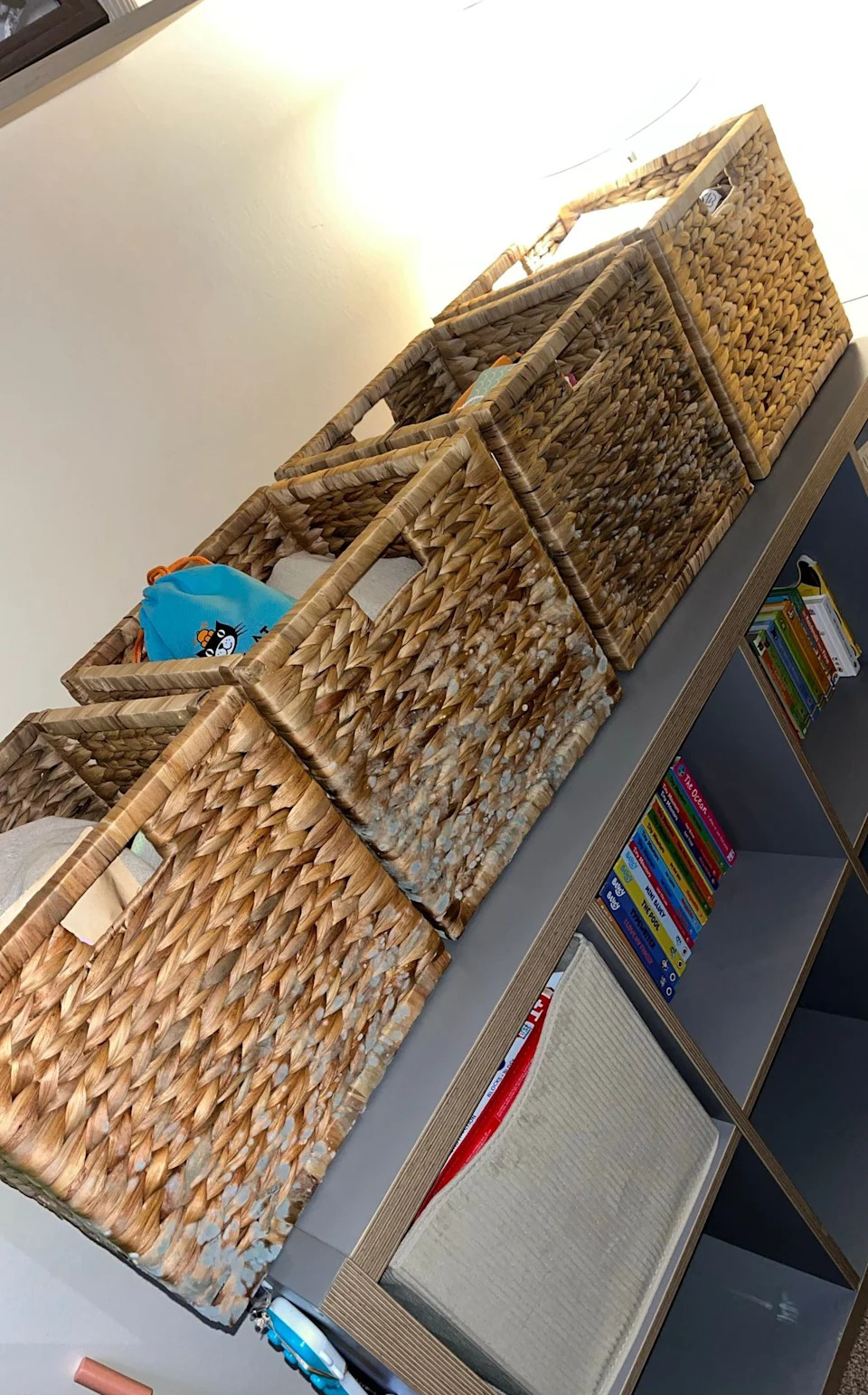
Mrs Emmett, whose husband serves in the Army, said black mould had caked walls and skirting boards, with a fungal infestation growing next to her child’s bed
Advertisement
Despite repeatedly complaining to the Ministry of Defence (MOD), she claimed when contractors were eventually called out they simply “painted over the walls”, which did nothing to stop the outbreak
Within days, Mrs Emmett’s child started coughing uncontrollably before developing a fever and respiratory illness, which she says medics blamed on the mould
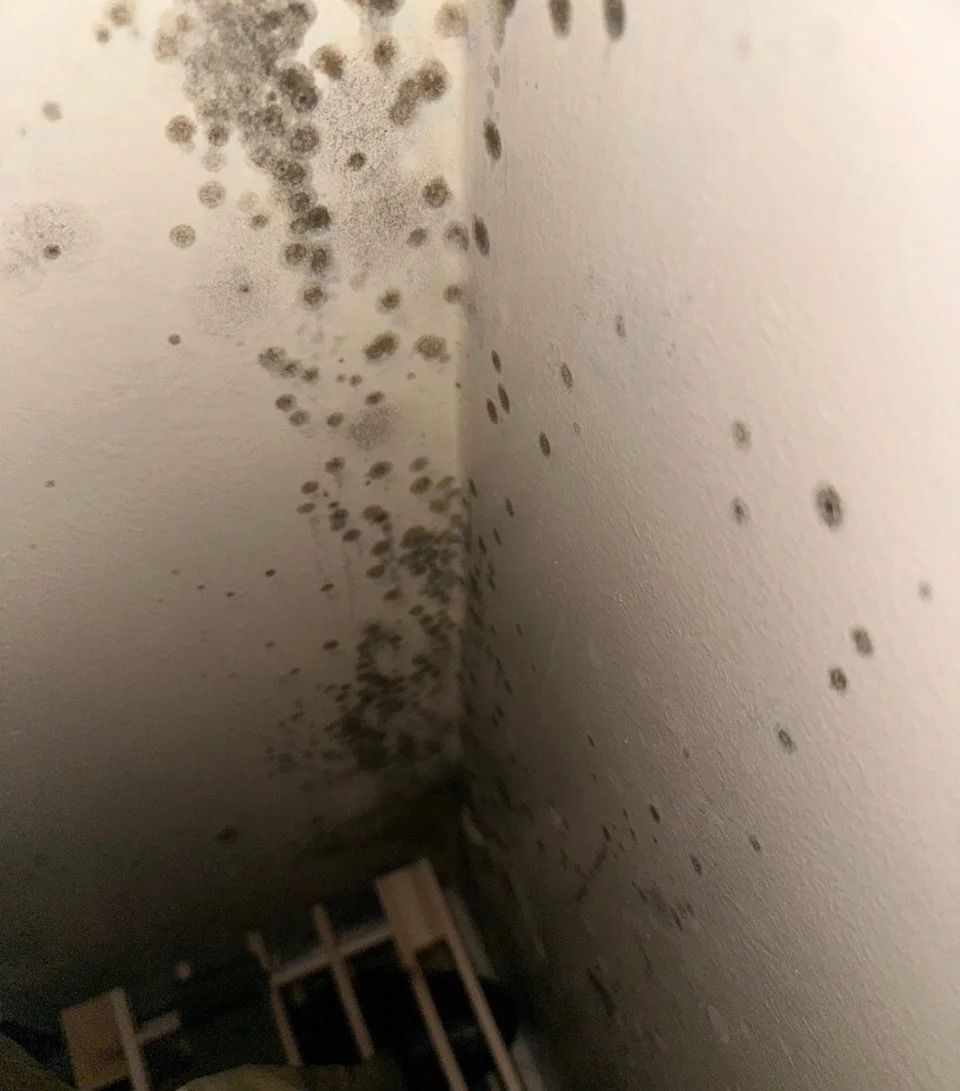
“It was unbelievably stressful. I felt like I was drowning,” Mrs Emmett told The Telegraph. “My daughter caught RSV (respiratory syncytial virus) and the flu in one go
“She was so poorly she couldn’t even stay awake to eat. We had to rush her back and forth from the hospital for 10 days… It was a nightmare.”
Advertisement
Mrs Emmett was speaking out about her ordeal, which happened in January, as a new report this week revealed how soldiers were still living in poor accommodation
Living in a mouldy home can irritate the airways and weakens the lungs’ immune defences and make children more vulnerable to respiratory infections
More than a third of servicemen and women described living in damp or mould military barracks over the last year, an MoD survey said

The Single Living Accommodation Lived Experience Survey found that 83 per cent of those who responded had experienced at least one fault or repair problem in their quarters during the previous 12 months
Advertisement
More than half said they had endured rooms that were either uncontrollably hot or cold, while 44 per cent reported water leaks or blocked drains and 35 per cent encountered damp or mould. Almost a third suffered electrical faults
The findings also suggest that the dire state of military accommodation could be pushing people out of the Armed Forces
Some 39 per cent of respondents said their experience of military accommodation had made them want to leave the Armed Forces, compared with just 13 per cent who said it made them more likely to remain
Mrs Emmett, who has since been moved into new accommodation in Catterick, said she was “not surprised” by the results
Advertisement
“It’s obvious to anyone with a conscience that what is happening is just wrong,” she said. “Families should not have to deal with this
“Why is the Army always left dealing with the bottom of the barrel of scraps? People are just sick of this. They’re sick of the Army being the last one to be thought about
“My husband was at a point where he was questioning why he was still doing this.”
Mrs Emmett was living alone with her daughter during her ordeal, as her husband was away on exercise in Germany with his regiment
The young mother praised the efforts by the Army to look after her and her little girl, with her husband’s commanders stepping in to allow him to call home, while fellow soldiers rallied around to provide supplies
Advertisement
But she was deeply critical of the response by contractors Pinnacle, which fielded her complaint, and Amey, which sent out a team to paint over the mould. “I felt I was being fobbed off. They just did not care,” she said
The outbreak, which affected most rooms in her former property, is thought to have been caused by a build-up of water. Mrs Emmett said it damaged about £3,500 worth of goods, including a laptop which had been on the floor, toys, clothes and furniture
“We’re a young family. The damage this has caused to us has been horrific and I’m still dealing with it now, six months on,” she added
The Government has said it will spend £9.2bn in the next decade on Armed Forces accommodation. This will see 40,000 military homes, about 90 per cent of the total estate, upgraded, modernised or rebuilt entirely
Advertisement
There had been hopes such upgrades would happen sooner. But ministers have been forced to defer a portion of its housing refurbishment project until at least 2029 as the MoD seeks to make further savings following the June publication of the Defence Investment Plan
Vast majority of military family homes in need of work
A 2024 inquiry by Lord Kerslake, the former head of the Civil Service, previously found a third of military accommodation for 80,000 unmarried soldiers were in a poor condition and the vast majority of the UK’s nearly 50,000 military family homes were in need of repairs or upgrades
The report also warned shoddy housing was “draining operational capacity” by harming the health of staff and risked driving more people to quit the military early
“Poor housing conditions and poor housing services are now cited as major reasons for the fall in overall satisfaction with service life,” the commission said. “This is affecting morale and recruitment and retention.”
Advertisement
A spokesman for the MOD said: “It’s unacceptable that any service person has to deal with issues with their home and we know that there is much more to do to upgrade and build new military accommodation
“After years of underfunding, the government is doing the biggest upgrade to Armed Forces accommodation in more than 50 years, backed by £9.2bn of investment over the next decade
“1,250 of the worst military family homes have already been upgraded and while most reported cases have been assessed as being at the lowest level of severity, since October 2025, all reports have been assessed in line with Awaab’s Law, with severe cases triaged and attended to within 24 and 48 hours respectively.”
Pinnacle and Amey were contacted for comment
Try full access to The Telegraph free today. Unlock their award-winning website and essential news app, plus useful tools and expert guides for your money, health and holidays
