

Close Menu
healthylife7.comhealthylife7.com

    Subscribe to Updates

    Get the latest creative news from FooBar about art, design and business.

    What's Hot

    Family-Based Childhood Obesity Programs May Help Black Children Build Healthier Habits – BlackDoctor

    August 13, 2026

    Ghost Month 2026: Chinese zodiac signs that may need extra caution, plus tips to avoid bad luck

    August 13, 2026

    The Farmer’s Dog To Acquire Woof To Expand Beyond Pet Nutrition

    August 13, 2026
    Facebook X (Twitter) Instagram
    Trending
    • Family-Based Childhood Obesity Programs May Help Black Children Build Healthier Habits – BlackDoctor
    • Ghost Month 2026: Chinese zodiac signs that may need extra caution, plus tips to avoid bad luck
    • The Farmer’s Dog To Acquire Woof To Expand Beyond Pet Nutrition
    • On the horizon: unravelling chronic disease mechanisms using generative AI
    • Pennsylvania weighs mental
    • Ex-Googler Jeff Dean shares his grueling weekly workout routine — and how he takes care of his knees and ankles
    • Some spikes, but hospitals not overwhelmed by World Cup
    • Samsonite Group to Acquire BÉIS in $210 Million Lifestyle Brand Deal
    Facebook X (Twitter) Instagram
    healthylife7.comhealthylife7.com
    • Home
    • Fitness
    • Health
    • Nutrition
    • Lifestyle
    • Conditions
    • Mental Health
    • Weight Loss
    • Wellness Tips
    Thursday, August 13
    healthylife7.comhealthylife7.com
    Home»Conditions»Sensory overload in kids has distinct neurobiological roots
    Conditions

    Sensory overload in kids has distinct neurobiological roots

    healthylife7By healthylife7August 13, 2026No Comments4 Mins Read
    Facebook Twitter Pinterest LinkedIn Tumblr Reddit WhatsApp Email
    Sensory overload in kids has distinct neurobiological roots
    Share
    Facebook Twitter LinkedIn Pinterest WhatsApp Email

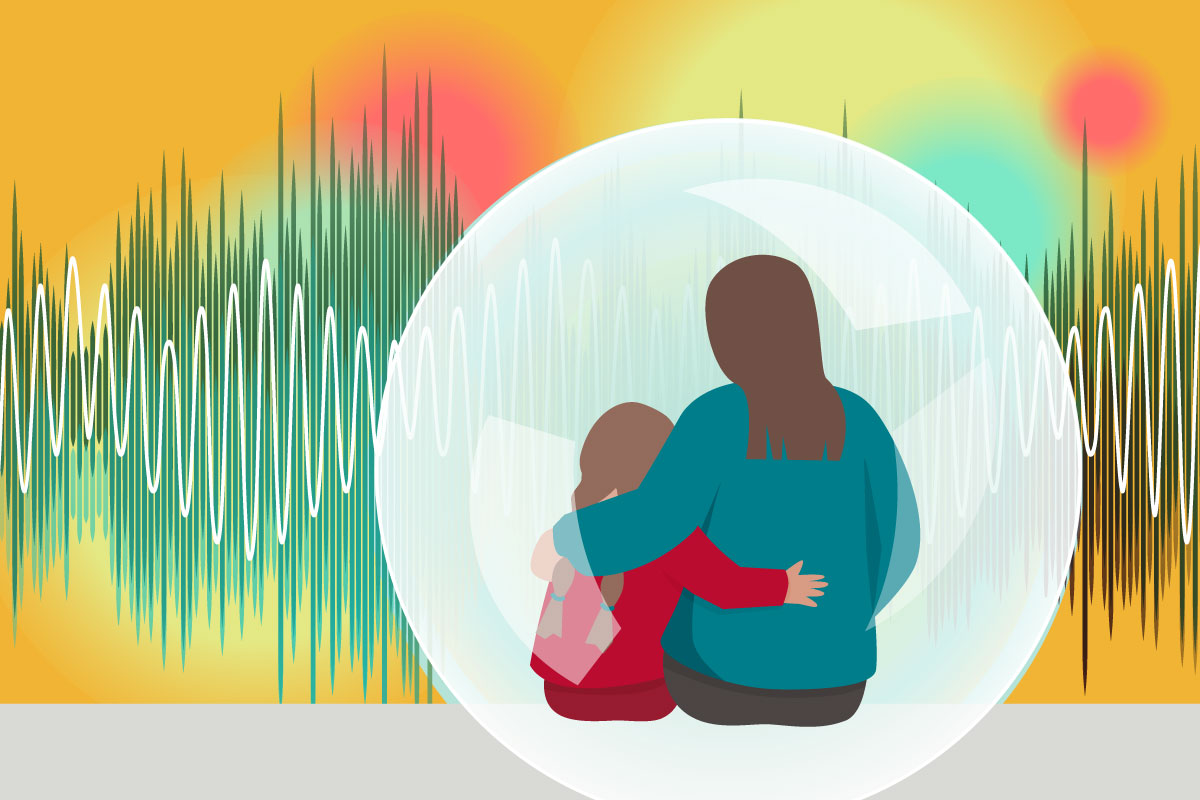
    Overreactions to ordinary sensory stimuli — a scratchy shirt tag, a roaring vacuum cleaner, an unfamiliar smell — are commonly associated with autism. But in fact, an estimated 15% to 20% of children experience such reactions, known as sensory over-responsivity or sensory distress, and they show up across a range of psychiatric conditions

    Now, research from Washington University School of Medicine in St. Louis is shedding light on what sensory overload indicates about a child’s mental health. Analyzing data from more than 15,000 children ages 6 to 18, the researchers found that sensory over-responsivity is connected not just to autistic traits but also to anxiety in both children with autism and those without. Contrary to longstanding assumptions, sensory over-responsivity was not directly related to ADHD

    Examining brain scans from a subset of the children, the team also found that even mild sensory issues are linked to differences in specific patterns of brain connectivity

    The findings are published Aug. 13 in the Journal of the American Academy of Child and Adolescent Psychiatry

    “These sensory challenges are not kids just ‘being difficult,’ but are behaviors rooted in specific neurological differences,” said senior author Rebecca Schwarzlose, PhD, an assistant professor of psychiatry at WashU Medicine. “We also show kids without autism can struggle with the sensory environment. Because services like occupational therapy can help children cope with these challenges, it is important to properly identify sensory over-responsivity and get kids the right support.”

    Sensory sensitivity linked to anxiety and autism, not ADHD

    Sensory over-responsivity has long been considered a symptom of autism, and it was added to the diagnostic criteria for autism spectrum disorder in 2013. But it turns up in many other psychiatric conditions, appearing among children with anxiety, ADHD, obsessive-compulsive disorder and other conditions. That overlap has left clinicians without a clear consensus on what it means for diagnosis and treatment when a child is overwhelmed by everyday sights, sounds and textures

    “What all parents want is for their child to be able to do the things they want to do. The more we can help them live in this world with targeted modifications, while avoiding undue distress, the better.” Rebecca Schwarzlose, PhD, WashU Medicine

    To better understand how sensory over-responsivity is involved in these conditions, Schwarzlose and her colleagues pooled data from 15,728 children across five separate studies, which collectively included both children diagnosed with autism and kids in the general population who may or may not have neurodevelopmental or other psychiatric conditions. All the studies included standard parent or caregiver questionnaires assessing symptoms of conditions such as anxiety, depression and ADHD, as well as a standard scale measuring autism-related traits, which includes an item used to gauge a child’s sensory sensitivity.

    The researchers applied a statistical approach that accounts for the fact that psychiatric conditions frequently overlap to pin down which conditions are independently associated with sensory over-responsivity, as opposed to piggybacking on an overlapping condition

    They found that most associations vanished. What remained was a specific, consistent signal: children with sensory over-responsivity had elevated symptoms of both anxiety and autism, but not of ADHD. The pattern held whether the children were from a general community sample or had an autism diagnosis, and across every age group

    Signs of sensory over-responsivity in the brain

    Schwarzlose and colleagues also analyzed brain imaging data from a subset of 9,197 children who underwent resting-state functional MRI, a brain scan taken while the child lies still and rests. Those scans let the researchers measure functional connectivity, an indicator of the extent to which brain regions communicate and coordinate activity with each other

    The analysis linked sensory over-responsivity to reduced connectivity between a small brain network involved in memory and a deep-brain structure that helps translate sensory information into action

    “When the connection between them is weak, sensory information may not get integrated with the child’s sense of context,” said first author Christina Luo, who conducted the work as a master’s student in Schwarzlose’s lab. “So an innocuous sound triggers a raw defensive response instead of being filtered through a sense that ‘this is normal and safe.’”

    Schwarzlose’s team is now looking earlier into childhood and infancy to trace when sensory over-responsivity first emerges in the brain and which neural circuits drive it, information that could point to ways to help children earlier

    “What all parents want is for their child to be able to do the things they want to do,” Schwarzlose said. “The more we can help them live in this world with targeted modifications, while avoiding undue distress, the better.”

    Distinct Kids neurobiological overload sensory
    healthylife7
    • Website

    Related Posts

    On the horizon: unravelling chronic disease mechanisms using generative AI

    August 13, 2026

    Learning to Live with COPD

    August 13, 2026

    Ancient mummy DNA reveals chilling clue to deadly disease that swept the Americas

    August 13, 2026
    Leave A Reply Cancel Reply

    Health
    Wellness Tips

    Family-Based Childhood Obesity Programs May Help Black Children Build Healthier Habits – BlackDoctor

    By healthylife7August 13, 20260

    Childhood obesity can be effectively treated through a family-based program provided through their local pediatrician, a new clinical trial says

    Ghost Month 2026: Chinese zodiac signs that may need extra caution, plus tips to avoid bad luck

    August 13, 2026

    The Farmer’s Dog To Acquire Woof To Expand Beyond Pet Nutrition

    August 13, 2026

    On the horizon: unravelling chronic disease mechanisms using generative AI

    August 13, 2026
    Stay In Touch
    • Facebook
    • Twitter
    • Pinterest
    • Instagram
    • YouTube
    • Vimeo
    Fitness

    Opinion: The FDA must put biotech at its center or continue to cede early research to China

    July 6, 2026

    Inside Elevance’s digital chronic disease management strategy

    July 6, 2026

    Best, Worst States For Well

    July 6, 2026

    What do the Middle Ages tell us about mental health then and now? VCU historian Leigh Ann Craig has answers

    July 6, 2026

    Subscribe to Updates

    Get the latest creative news from SmartMag about art & design.

    About Us

    Welcome to HealthyLife7.com, your trusted source for reliable health, wellness, fitness, and lifestyle information. Our mission is to help people make informed decisions about their health by providing clear, practical, and easy-to-understand content.

    At HealthyLife7.com, we believe that good health starts with the right knowledge. Whether you're looking for healthy eating tips, fitness advice, mental wellness strategies, weight management guidance, or information about common health conditions, our goal is to deliver valuable content that supports a healthier lifestyle.

    Fitness

    Family-Based Childhood Obesity Programs May Help Black Children Build Healthier Habits – BlackDoctor

    August 13, 2026

    Ghost Month 2026: Chinese zodiac signs that may need extra caution, plus tips to avoid bad luck

    August 13, 2026

    The Farmer’s Dog To Acquire Woof To Expand Beyond Pet Nutrition

    August 13, 2026
    Health

    Opinion: The FDA must put biotech at its center or continue to cede early research to China

    July 6, 2026

    Inside Elevance’s digital chronic disease management strategy

    July 6, 2026

    Best, Worst States For Well

    July 6, 2026
    Facebook X (Twitter) Instagram Pinterest
    • About Us
    • Contact us
    • Disclaimer
    • Privacy Policy
    • Terms and Conditions
    © 2026 healthylife7.com. Designed by Pro.

    Type above and press Enter to search. Press Esc to cancel.