


<a href="https://healthylife7.com/could-cellular-fragility-be-the-missing-link-in-chronic-disease/” title=”Could ‘cellular fragility’ be the missing link in chronic disease?”>Chronic conditions are the leading cause of illness, disability and death in America according to the Centers for Disease Control and Prevention. Chronic conditions include diabetes, heart disease and cancer, among others. Broadly speaking, these are diseases that last for a year or more and require ongoing medical support or lead to drastic changes in daily life
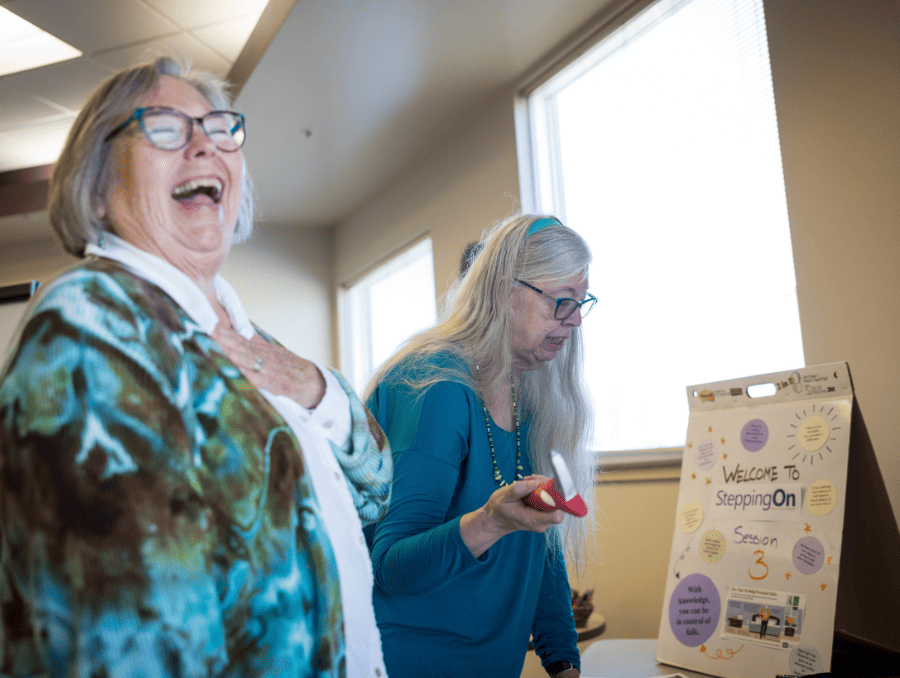
For those dealing with health issues, there are support groups and even workshops to manage the symptoms and lead a healthy lifestyle. In Northern Nevada, the Sanford Center for Aging at the University of Nevada, Reno School of Medicine is licensed to provide the Diabetes Self-Management Program, Diabetes Prevention Program and Living Well with Chronic Conditions. Other organizations provide the same workshops throughout the country. All workshops are free, evidence-based and designed for those dealing with a chronic or limiting health condition.
“Managing chronic conditions is difficult, especially when you don’t feel like you’re making progress,” said Michael Gonzalez, program coordinator for health and wellness at the Sanford Center for Aging. “Many participants start noticing small wins within the first few weeks. By the end of the program, many leave with greater confidence in their ability to take care of themselves and manage their conditions.”
Zelma Dick is a regular participant who started with Sanford Center for Aging’s Fit & Strong class during the COVID-19 pandemic before entering the Diabetes Prevention Program and the Diabetes Self-Management Program thereafter. From the workshops, she reduced her A1C, the average amount of sugar in her blood, from a 7.7, which is considered diabetic, to a 5.3, which is within the normal range
“I am extremely grateful; I don’t think I would have improved my health if not for this class and reinforcement,” said Dick
Providing more than just education, these workshops provide shared learning and peer support. These support systems provide a sense of community and accountability with benefits that include skill development, personal growth and social inclusion
“People in the class share their experiences too, which is helpful as you go through the materials,” said Dick. “Goal setting is huge with constant reinforcement to help you stay on track from fellow participants and the program instructors. I tell others about my experience and my health journey to encourage them to sign up too.”
Within the workshops, participants are encouraged to share their experiences, as well as what works and what doesn’t. This level of peer discussion provides a sounding board
“Something I frequently hear from workshop participants about the group and community aspect of these programs is how the accountability of showing up keeps driving their success,” said Gonzalez. “They don’t feel pressured, but by showing up regularly, they become more aware of the attention they’re giving to their efforts.”
There are some steps that are standard for many chronic conditions:
- Take medications as directed
- Prepare for doctor visits by monitoring symptoms
- Eat well
- Stay active
- Get plenty of sleep
“I love leading these programs,” said Gonzalez. “For me, it’s not about our participants being perfect. It’s about providing them with the tools so that they gain confidence, and they can manage their conditions to improve their own quality of life.”
Health & Medicine |Aug. 14, 2026Krystal Pyatt
