


ByDaniella Gray
Newsweek is a Trust Project member
See more of our trusted coverage when you search.to see more of our trusted coverage when you search.
A common feature of many Americans’ diets could be increasing their risk of prostate cancer, researchers have found
The study, published in The American Journal of Medicine, analyzed dietary and health data from 17,024 U.S. men and found that those consuming higher amounts of ultra-processed foods (UPFs) had an increased risk of developing prostate cancer compared with men who ate the least
Charles H. Hennekens, senior author of the study and a professor of medicine and preventive medicine at Florida Atlantic University, told Newsweekthat ultra-processed foods include products such as soft drinks, packaged snacks, breakfast cereals, processed meats and ready-to-eat meals
…
These industrially manufactured foods are often high in refined fats, sugars, starches and additives while providing relatively little nutritional value
Ultra-processed foods now account for more than half of calories consumed in the United States, making up about 53 percent of adults’ energy intake, according to the latest data from the U.S. Centers for Disease Control and Prevention
For the study, researchers from Florida Atlantic University examined data from the National Health and Nutrition Examination Survey (NHANES) collected between 2003 and 2023
Participants were grouped according to the proportion of their daily calories that came from ultra-processed foods
Men in the three higher-consumption groups were found to have a 29 percent greater risk of prostate cancer than those in the lowest intake group
Even after accounting for factors such as age, race and ethnicity, smoking status and poverty level, the increased risk remained significant, ranging from 24 percent to 31 percent
Researchers said previous studies have already linked ultra-processed foods to obesity, metabolic disease, inflammation, cardiovascular disease and premature death
The new findings add prostate cancer to the growing list of health concerns associated with diets dominated by these products
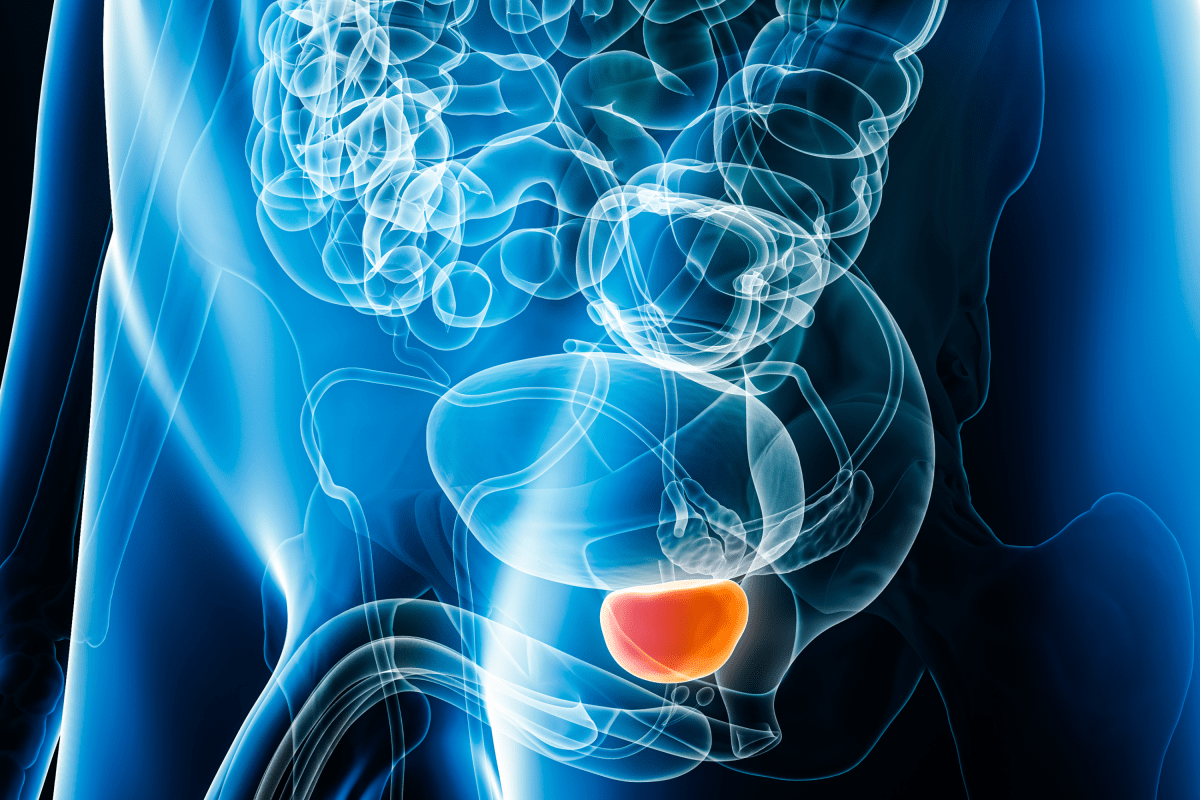
More than 333,000 men are expected to be diagnosed with prostate cancer in the United States in 2026, making it the country’s most commonly diagnosed cancer among men and the second-leading cause of cancer-related deaths after lung cancer, according to the American Cancer Society
Hennekens said men do not need to completely overhaul their diets overnight to begin lowering their intake
“The most practical first steps individuals can take to reduce their intake of ultra-processed foods include replacing sugary drinks and consuming whole foods like fruits, vegetables and grains instead of packaged snacks, and eating at home using steaming or grilling instead of frying,” he said
The findings should be viewed as part of broader efforts to encourage healthier lifestyles and dietary habits, while further large-scale studies continue to investigate the potential health effects of ultra-processed foods
Reference
Scott, H., Willett, Y., Dunn, J., Dye, T.D. and Hennekens, C.H. (2026). Consumption of Ultra-Processed Foods and Increased Risks of Prostate Cancer in a Random Sample of United States Adults. The American Journal of Medicine. [online] doi:10.1016/j.amjmed.2026.07.043
Contact Newsweek editors on this story: Charlotte Nisbet and Emma Lee-Sang
Request Reprint & Licensing
View Editorial & AI Guidelines
