


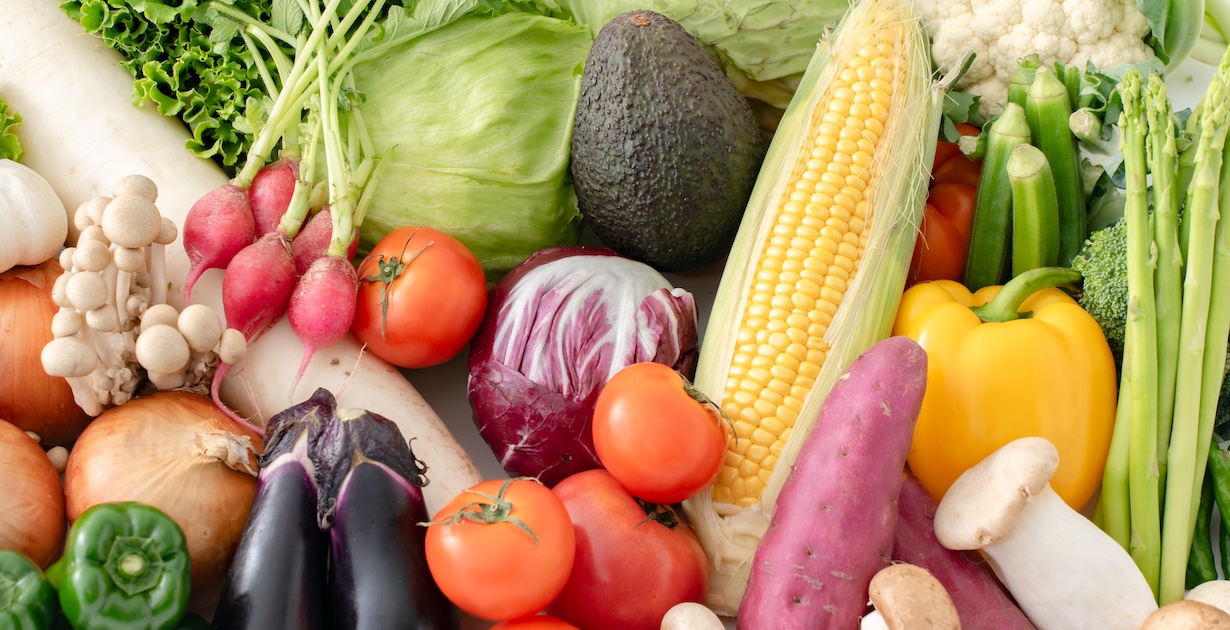
Summer is the season for spending more time outdoors and, ideally, less time laboring over meals in a hot kitchen. Healthy food can still be a priority, but warmer weather often calls for quicker meals that require less cooking and generate less heat. Think salads and cold soups rather than a homemade lasagna
Summer also makes portable foods especially useful. Whether you’re heading out for the day or simply eating outside, easy meals and grab-and-go snacks can make summer eating more convenient
Then there’s the seasonal produce. Summer fruits and vegetables offer freshness, flavor and health-supporting properties, making this a great time of year to take advantage of what’s available at your local market or farmers market
A well-stocked summer pantry, refrigerator and freezer can help you put together easy, delicious meals and snacks quickly. Add portable snacks, flavorful condiments, refreshing drinks and summer supplements that mix easily and are best served cold, and you’ll have plenty of options for the season
What are summer foods?
Summer foods are foods and ingredients particularly well suited to warmer weather and the way many people eat during the season. They can include seasonal fruits and vegetables, quick pantry staples, refrigerated foods, freezer essentials, portable snacks, condiments, refreshing drinks, and supplements that work well for this time of year
The goal is convenience without abandoning healthy food. Stocking the kitchen with versatile summer foods makes it easier to prepare salads, cold soups, smoothies and other quick meals, while also giving you options that can be packed for the beach, forest or another outdoor destination
Summer fruits and vegetables are especially important additions because they’re in season and can provide freshness and flavor alongside their nutritional benefits
Summer fruits
Summer fruits are rich in antioxidants and vitamins, particularly vitamins A, B6, C, E and K. Many also rank among the best hydrating foods because of their naturally high water content
Eating a diet rich in hydrating foods is one way to help stay energized and sharp. These foods can also help support digestion and healthy elimination
Summer fruits can be useful before or after a workout as well
Some of the best summer fruits to add to your seasonal rotation include:
- Berries
- Kiwi
- Watermelon
- Peaches
- Mango
- Cherries
- Papaya
- Nectarines
- Pineapple
- Plums
- Melon
Fresh fruit works well on its own, while certain fruits can also be refrigerated or frozen for smoothies and other cold summer recipes
Summer vegetables
Summer vegetables provide an array of vitamins and minerals that play important roles in maintaining overall health and supporting various bodily functions
Leafy greens, for example, provide essential minerals, such as calcium, iron and magnesium. These nutrients support healthy bones and aid in a healthy immune system
Vegetables are also generally low in calories and high in fiber. That combination makes them useful for promoting healthy weight management and supporting proper digestion
Fiber can help keep you feeling full and satisfied while supporting your digestive system
Summer vegetables are highly versatile. Use them in salads and cold soups, add them to green juices or smoothies, or quickly cook them on the stovetop as part of countless dishes
Summer vegetables to look for at your local market or farmers market include:
- Tomatoes
- Asparagus
- Garlic
- Zucchini and summer squash
- Okra
- Leafy greens, such as spinach, arugula, kale, bok choy, Swiss chard and collard greens
- Eggplant
- White onion
- Cucumber
Summer snacks
When you’re heading to the beach, forest or another summer destination, portable snacks can help you keep up your energy. Ideally, summer snacks can also provide plenty of protein to help support your muscles and help keep you full
You can purchase convenient snacks or prepare your own ahead of time. Options include:
- Protein fig bars
- Trail mixes
- Beef jerky
Preparing portable options in advance can make it easier to grab a snack and head out the door
Summer pantry necessities
A summer pantry doesn’t need to be complicated. A relatively small collection of versatile ingredients can make it easier to prepare quick cooked dishes, salads, soups and other meals
Convenient pantry necessities to keep available include:
- Canned beans
- Olive oil
- Rice
- Coffee
- Pumpkin seeds
- Pasta sauce
- Dried lentils
- Low-sugar jam
- Canned sardines
- Quinoa
- Paleo flour
- Avocado oil
- Tea
- Canned wild salmon
- Maple syrup
- Almond butter granola
These ingredients give you a mix of convenient foundations, proteins, fats and other components for putting together meals without having to start from scratch every time
Summer refrigerator essentials
One useful summer practice is to stock up on fresh produce at your local farmers market each weekend, refrigerate what needs to stay cold and work those foods into recipes throughout the week
Beyond seasonal produce, several refrigerator staples can make breakfast, lunch or dinner easier while providing healthy fats, probiotics and protein
Consider keeping these foods in the refrigerator:
- Greek yogurt, 2 percent
- Avocados
- Eggs
- Sauerkraut or kimchi
- Corn tortillas
- Grass-fed butter
- Fermented tofu
- Almond milk, unsweetened
- Goat cheddar cheese
- Almond butter
- Wheat berry bread
- Feta cheese
Summer freezer staples
The freezer may play a relatively small role in summer meal prep, but it’s an important one. It’s a convenient place to store meat, fish and even vegan meat substitutes so they don’t spoil
For frozen meat or fish, simply transfer what you plan to use to the refrigerator a day before cooking
Useful freezer staples include:
- Frozen berries
- Ground turkey and/or beef
- Wild salmon
- Frozen banana for protein shake recipes
- Chicken breast
Frozen fruit also makes it easy to prepare cold smoothies and shakes during hot weather
Summer condiments
Grilling, sandwiches and big summer salads all benefit from condiments and sauces that can quickly add flavor
Keep a selection of the following on hand:
- Coconut aminos
- Dijon mustard
- Pepper
- Salsa
- Coconut oil mayo
- Sea salt
- Hot sauce
- Stevia
- Paleo ketchup
- Sriracha
Summer drinks
Even when the day begins winding down, summer temperatures can stick around. Cold beverages offer a refreshing way to cool down
- Mixed berry hibiscus refresher
- Matcha lemonade
- Flavored sparkling water, including hop water
- Frozen watermelon margarita
- Nonalcoholic beer
- Strawberry lemonade mocktail
Nonalcoholic beer is now available from a variety of familiar beer makers, providing another alcohol-free option for summer
Summer supplements
Summer can also be a good time to work on your fitness level while continuing to focus on maintaining health. Supplements that mix easily into cold beverages can be particularly convenient during warmer weather
For example, hydration-focused supplement powders (such as Ancient Nutrition’s Multi Collagen Advanced Hydrate) can be mixed into cold drinks and may be formulated to support rapid hydration for the skin and body
Greens powders are another option. Some formulas contain at least 25 power-packed superfoods with key plant compounds and are available in fruit-inspired flavors such as berry or mango (including Ancient Nutrition’s Organic SuperGreens)
Collagen powders can also be incorporated into a summer supplement routine. Certain formulas use collagen from several food-basedto help burn calories and aid metabolism (such as Ancient Nutrition’s Multi Collagen Advanced Lean)
*In addition to a healthy diet and lifestyle, including regular exercise
Frequently asked questions
What are the best summer foods?
Some of the best summer foods include seasonal fruits and vegetables, portable protein-containing snacks, easy pantry ingredients, refrigerated staples, and frozen foods that can be turned into quick meals, salads, cold soups, smoothies and snacks
Summer fruits, such as watermelon, berries, peaches, mango, cherries and pineapple, are particularly useful because many have a high water content. Seasonal vegetables, such as tomatoes, cucumber, zucchini, leafy greens and asparagus, can be used in both raw and quickly cooked dishes
What fruits are good to eat during summer?
Good summer fruit options include watermelon, melon, berries, cherries, peaches, mango, papaya, pineapple, plums, nectarines and kiwi. Summer fruits provide antioxidants and vitamins, including vitamins A, B6, C, E and K. Many are also hydrating foods due to their high water content
What vegetables are good summer foods?
Tomatoes, cucumber, asparagus, zucchini, summer squash, eggplant, okra, white onion, garlic and leafy greens (such as kale, spinach, arugula, bok choy, Swiss chard and collard greens) are all useful summer vegetables. They can be eaten in salads and cold soups, incorporated into juices or smoothies, or quickly cooked on the stovetop
What foods should you keep in the pantry during summer?
Useful summer pantry staples include rice, quinoa, canned beans, dried lentils, canned wild salmon, canned sardines, pumpkin seeds, almond butter granola, olive oil, avocado oil, Paleo flour, pasta sauce, low-sugar jam, maple syrup, coffee and tea. Keeping versatile ingredients like these available can make quick summer meals easier to assemble
What are easy summer snacks for on the go?
Beef jerky, trail mixes, homemade chocolate protein bars, protein fig bars and no-bake strawberry coconut energy balls are portable options for summer outings. Protein-containing snacks can help support your muscles and help keep you full
What summer foods should you keep in the freezer?
Wild salmon, chicken breast, ground turkey and/or beef are convenient freezer staples. Frozen berries and bananas are also useful for smoothies and protein shakes. Meat, fish and vegan meat substitutes can be kept frozen to help prevent spoilage, then transferred to the refrigerator a day before you plan to cook them
What are some refreshing summer drinks?
Options include flavored sparkling water, hop water, nonalcoholic beer, matcha lemonade, strawberry lemonade mocktails, frozen watermelon margaritas and mixed berry hibiscus refreshers
Conclusion
- The best summer foods make it easier to eat well while spending less time in the kitchen and more time enjoying the season.
- Start with fresh summer fruits and vegetables from your local market or farmers market, and use them throughout the week. Keep versatile ingredients in the pantry for quick meals; stock the refrigerator with convenient sources of healthy fats, probiotics and protein; and use the freezer for meats, fish, vegan meat substitutes and smoothie fruits.
- Portable snacks can help keep up your energy when you’re on the go, while condiments and sauces make simple meals more flavorful. Cold summer drinks and supplements that mix easily into chilled beverages round out a kitchen that’s ready for warmer weather.
- Of course, you should always consult your healthcare professional prior to beginning any new dietary or lifestyle regimen. Enjoy!
