


Emerges as potential model for prevention of non-communicable diseases
Naresh Thakur
Tribune News Service
Dharamsala,Updated At : 01:38 AM Aug 18, 2026 IST
<img src="https://healthylife7.com/wp-content/uploads/2026/08/high-7.webp” alt=”featured-img”>
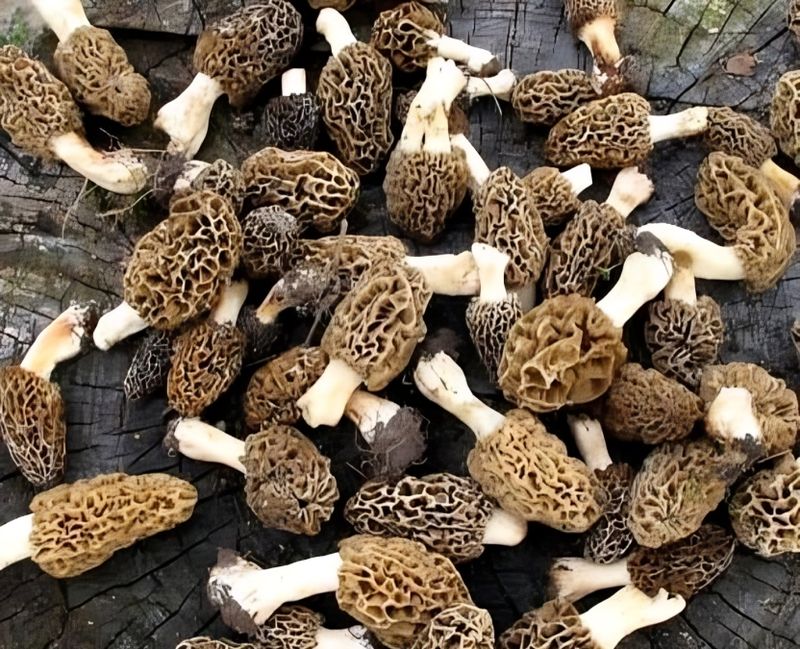
Pangi morel mushrooms which are used in various cuisines in the tribal valley.
Advertisement
A centuries-old food system shaped by the harsh ecology and isolation of the Pangi valley in Chamba district has been proposed as a distinct dietary pattern with the potential to protect against non-communicable diseases (NCDs), according to a study published in the Journal of Family Medicine and Primary Care
Advertisement
The study, led by Dr Sunil Kumar Raina, seeks to give a scientific identity to the traditional diet of the Pangwal and Bot (Bhot) communities of the Pangi valley, proposing the name “Pangi Valley Diet” (PVD) for a food pattern that researchers say shares several structural characteristics with established protective diets such as the Mediterranean diet
Advertisement
Dr Raina said the study aimed to bring scientific attention to a traditional food system that evolved through the communities’ close relationship with the local environment. He said documenting the diet was important not only for understanding its potential health benefits but also because the traditional food culture was undergoing rapid change with increasing market integration
Advertisement
Unlike modern diets designed around nutritional prescriptions, the PVD evolved through necessity. Pangi’s high-altitude terrain, prolonged winter, heavy snowfall, short growing season and historical geographical isolation forced its communities to rely heavily on locally available grains, wild plants, livestock and traditional food-preservation methods
Advertisement
Researchers argue that this ecological adaptation produced a naturally nutrient-dense diet characterised by whole grains, wild edible plants, fermented foods, high-altitude dairy and very little refined or ultra-processed food
Wild plants, traditional grains
One defining feature of the traditional food system is its dependence on locally sourced ingredients. Buckwheat and barley, along with locally adapted varieties such as phullan and bres, were historically important staples. The researchers link buckwheat’s fibre, resistant starch and rutin content, and barley’s beta-glucan content, with mechanisms associated with better glycaemic control and cardiovascular health. The paper gives particular attention to Pangi’s extensive use of wild edible plants.
Fermentation, high-altitude dairy
Another distinctive feature is fermentation. Foods and beverages such as chhang, churpa and fermented dairy products formed part of the traditional food system. The researchers point to the potential importance of fermentation in improving mineral bioavailability and providing beneficial microorganisms, while noting the growing evidence linking gut microbial health with metabolic regulation
Yak and chauri dairy products also occupy a prominent place in the traditional diet. The study discusses the distinctive nutritional characteristics of yak milk, including its fatty-acid profile and bioactive components, while noting that the nutritional properties of chauri products require further direct scientific characterisation
What traditional diet lacked
Perhaps the strongest structural feature of the PVD, researchers argue, is what it traditionally lacked: refined carbohydrates and ultra-processed foods
The traditional food system developed with minimal dependence on commercially processed products. Market integration, however, has begun changing this pattern, with wheat flour, rice, soybean and other externally
Possible scientific dietary model
The study draws a parallel with the evolution of the Mediterranean diet as a scientific dietary model. The Mediterranean diet became a globally recognised research instrument after researchers transformed a culturally embedded regional food pattern into a measurable dietary exposure. The authors argue that the same scientific pathway can be applied to traditional diets outside Europe
To facilitate such research, the paper proposes a preliminary Pangi Valley Diet Score. Foods such as traditional whole grains, wild edible plants, high-altitude fruits, fermented foods, yak or chauri dairy and legumes would receive positive scores, while refined grains, added sugar, sugar-sweetened beverages, ultra-processed foods, commercial vegetable oils and fast foods would receive negative scores
The researchers stress that the proposed score would need to be developed and validated using population-specific dietary data and tested against health outcomes before it could be used as a clinical or epidemiological tool
Food heritage under pressure
The study also highlights an urgent cultural dimension to the research. The traditional Pangi food system is undergoing rapid change as the valley becomes increasingly connected to markets and outside food supplies. The authors argue that documenting the diet now could help preserve both its scientific value and the food heritage of the communities that developed it
Read what others can’t with The Tribune Premium
n
n `}(e.plan,a,n===o)}catch(n){console.error(“Popup plan render failed:”,e.planType,e.periodKey,n)}})),a.innerHTML=r,a.querySelectorAll(“.plan-card”).forEach((e=>{e.addEventListener(“click”,(()=>{a.querySelectorAll(“.plan-card”).forEach((e=>e.classList.remove(“selected”))),e.classList.add(“selected”);const n=e.querySelector(“input[type=’radio’]”);n&&(n.checked=!0)}))}))}function redirectToSubscriptionPage(e){let n=window.location.href,t=window.location.origin+`/subscription?autosubscribe=${e}&ga4T=true`;t+=”&referrer=”+encodeURIComponent(n),window.location.href=t}function isIndianTimezone(){const e=Intl.DateTimeFormat().resolvedOptions().timeZone;return[“Asia/Kolkata”,”Asia/Calcutta”].includes(e)}function openPremiumPopup(){document.getElementById(“premiumPopup”).style.display=”flex”,newPopupShown=!0,document.body.classList.add(“popup-active”)}function closePremiumPopup(){document.getElementById(“premiumPopup”).style.display=”none”,newPopupShown=!1,document.body.classList.remove(“popup-active”);const e=Date.now()+864e5;localStorage.setItem(“ctaa”,e),scrollNewListenerAdded&&(window.removeEventListener(“scroll”,scrollHandler),scrollNewListenerAdded=!1)}function shouldShowNewPopup(){const e=localStorage.getItem(“ctaa”);return!e||Date.now()>Number(e)}function showNewPopup(){if(“true”!==isNewShortNewsPage&&(newPopupShown||!shouldShowNewPopup()))return;let e=function(){if(window.sortdSsoLoaded&&window.sortdSsoObject){if(!window.sortdSsoObject.isSubscribed)return populateNewPopupPlans(),void openPremiumPopup();console.log(“User already subscribed → Popup not shown”)}else setTimeout(e,300)};e()}function scrollHandler(){(window.pageYOffset||document.documentElement.scrollTop)/(document.documentElement.scrollHeight-document.documentElement.clientHeight)*100>=15&&showNewPopup()}function initNewPopup(){“true”!==isNewShortNewsPage?(window.addEventListener(“scroll”,scrollHandler),scrollNewListenerAdded=!0,setTimeout(showNewPopup,15e3)):setTimeout(showNewPopup,1500)}initNewPopup();const backdrop=document.getElementById(“premiumPopup”),popup=document.querySelector(“.premium-popup”);popup.addEventListener(“click”,(e=>e.stopPropagation())),backdrop.addEventListener(“click”,(()=>{closePremiumPopup()})),document.getElementById(“subscribeBtn”).addEventListener(“click”,(function(){const e=document.querySelector(“.plan-card.selected”)?.getAttribute(“data-redirectid”);e?redirectToSubscriptionPage(e):alert(“Please select a plan”)}))
Advertisement
Advertisement
Advertisement
