


Vitamin D Basics: Sources, Daily Amount Needed, Supplements
05:35
In childhood and through puberty, your body builds up its bone mass, or how dense and strong its bones are, with most people reaching peak bone mass in early adulthood. Bone mass usually stays the same until around 50 years old, research shows, at which point, your bone mass starts to decline, making you more susceptible to fractures
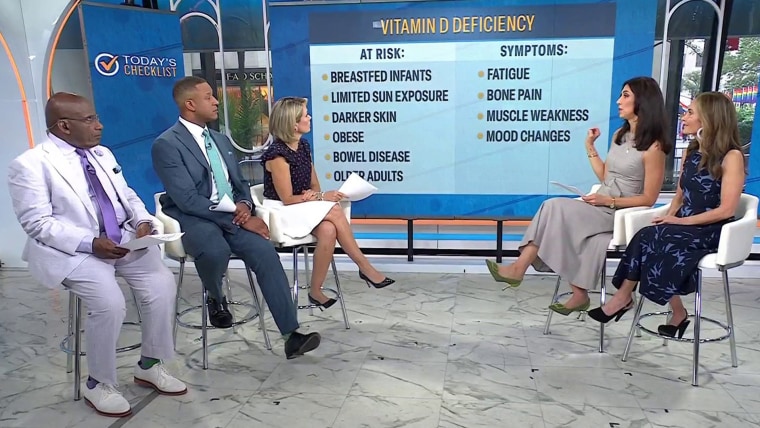
During each of these phases of life, looking after your bones is incredibly important, says Dr. Natalie Azar, NBC News medical contributor and rheumatologist. While genetics play a significant role in how strong your bones will be, it’s also determined by your dietary choices, which can set you up for lasting mobility and independence as you age. And the sooner you start investing in your bone health, the better off you’ll be
Never Have I Ever: Neglected My Vitamin D and Calcium Intake
While some aspects of your bone health are out of your control, such as your family history and sex, Azar says it’s still important to prioritize your vitamin D and calcium intake across all phases of life — especially if you have a high risk of osteoporosis, when low density makes bones weak, brittle and more likely to break
Prime time for building strong bones is childhood since 40-60% of your total bone mass is established during puberty, making kids’ and teens’ diets especially important, Azar explains
“Calcium is (an essential mineral) for building strong bones, to prevent fractures and healthy growth in children,” she says. Vitamin D, she adds, is responsible for helping the body absorb calcium
After this period, getting adequate amounts of the two nutrients cannot increase bone density, but it does play a crucial role in slowing the pace at which it decreases (as does getting the right type of exercise)
What to Do Instead
If you’re reading this, you’re likely past the puberty stage
Instead, Azar stresses, prioritize calcium and vitamin D intake in your children or grandchildren’s diets. They’ll need varying amounts from birth into adolescence
When it comes to your own bone health, while you might have reached your peak and maybe already experienced a bone fracture, you can still slow bone loss by consuming the recommended daily amounts of calcium and vitamin D, which most Americans don’t get enough of, Azar says
Adults between ages 19-50 need 1,000 milligrams of calcium a day, according to the National Institutes of Health. Women between 51-70 years old should increase their intake to 1,200 milligrams, and all adults should consume 1,200 milligrams from age 71 onward
If you don’t get enough, your “body is going to look for it, and the largest reservoir or bank of calcium in your body is your bones,” says Azar. “You want to give your body the calcium it needs by ingesting it every day.”
To do so, you can opt for a calcium supplement or ideally meet your daily recommended calcium intake with your diet
Azar suggests turning to these calcium-rich foods:
- Milk
- Cheese
- Yogurt
- Kale
- Leafy greens
- Fortified juices
- Sardines
- Salmon
- Chia seeds
- Nuts
Vitamin D, says Azar, is tougher to come by from food
- Trout
- Salmon
- Tuna
- Milk
- Orange juice
- Egg yolks
One of the best, says Azar, turn to a vitamin D supplement. Talk to your doctor to determine the best dosage, which can range from 600-10,000 IU
Ingesting more calcium or vitamin D than necessary doesn’t have added benefits for your bones, says Azar, so no need to overdo it
To further support your bones, prioritize strength training, cardiovascular exercise and a healthy overall diet
TODAY’s Never Have I Everseries offers guidance about procedures and practices our trusted health experts would never participate in. Discover why they should be avoided and which healthy practices you should turn to instead
