


Clinical Care
Multidisciplinary Teamwork: Two Advanced Heart Procedures Help Patient Overcome Severe Valve Disease
By: Cynthia Corzo | August 19, 2026 | 9 min. read |
A collaborative team of UHealth electrophysiologists, structural cardiologists and cardiac imaging experts removed problematic pacemaker leads and implanted a new tricuspid valve, dramatically improving Carlos Aguilera’s symptoms and quality of life
Carlos Aguilera had already undergone triple bypass surgery and received a pacemaker when worsening heart failure once again began disrupting his life
“I would retain fluid, my calves were extremely swollen and I was short of breath,” the 84-year-old said. “I depended on oxygen and had trouble sleeping.”
A Complex Heart Problem Requires a Unique Solution
UHealth—University of Miami Health System cardiovascular medicine specialists discovered that Aguilera had severe tricuspid regurgitation, a condition in which the heart’s tricuspid valve fails to close properly, allowing blood to leak backward with each heartbeat
Advanced imaging also revealed that two leads from the pacemaker implanted in Colombia in 2023 crossed the tricuspid valve. One of the leads entrapped a leaflet of the tricuspid valve, restricting it from closing properly and contributing to the severe leak
Treating Aguilera would require more than repairing the valve. A multidisciplinary cardiac team would first have to address the pacemaker leads, then replace the damaged valve in a second procedure several weeks later
Aguilera’s medical history added to the challenge. Aguilera had stage 3 kidney disease, reduced heart function, permanent atrial fibrillation and pulmonary hypertension, along with a history of coronary artery disease
A Demanding Lead Extraction Procedure
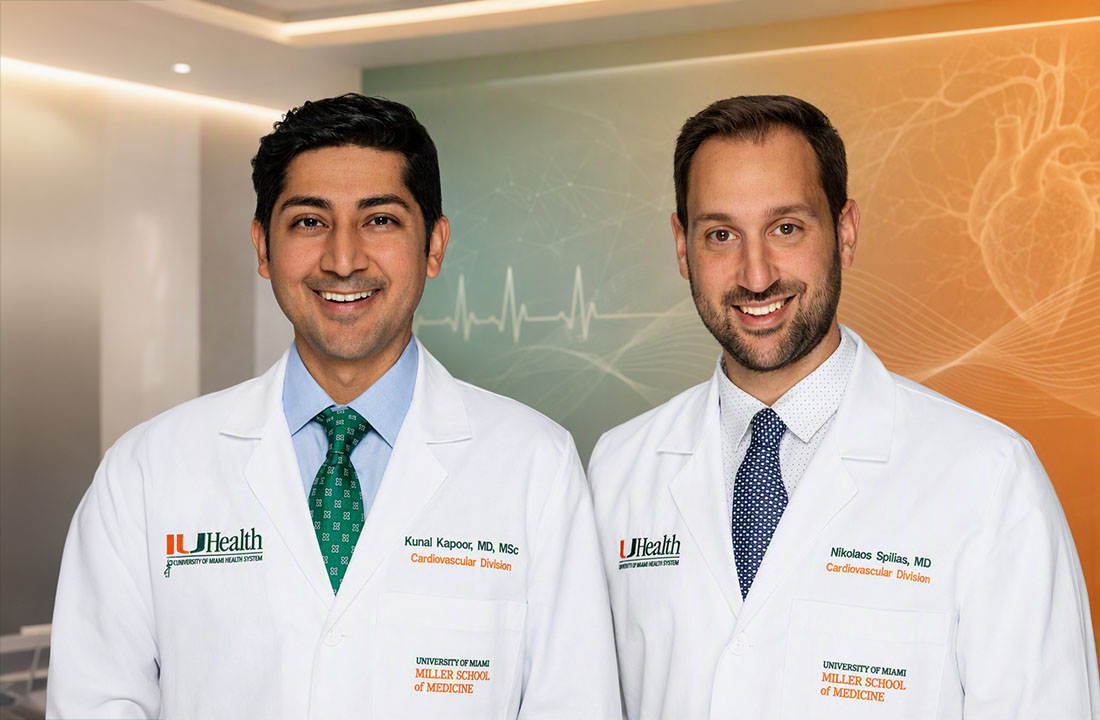
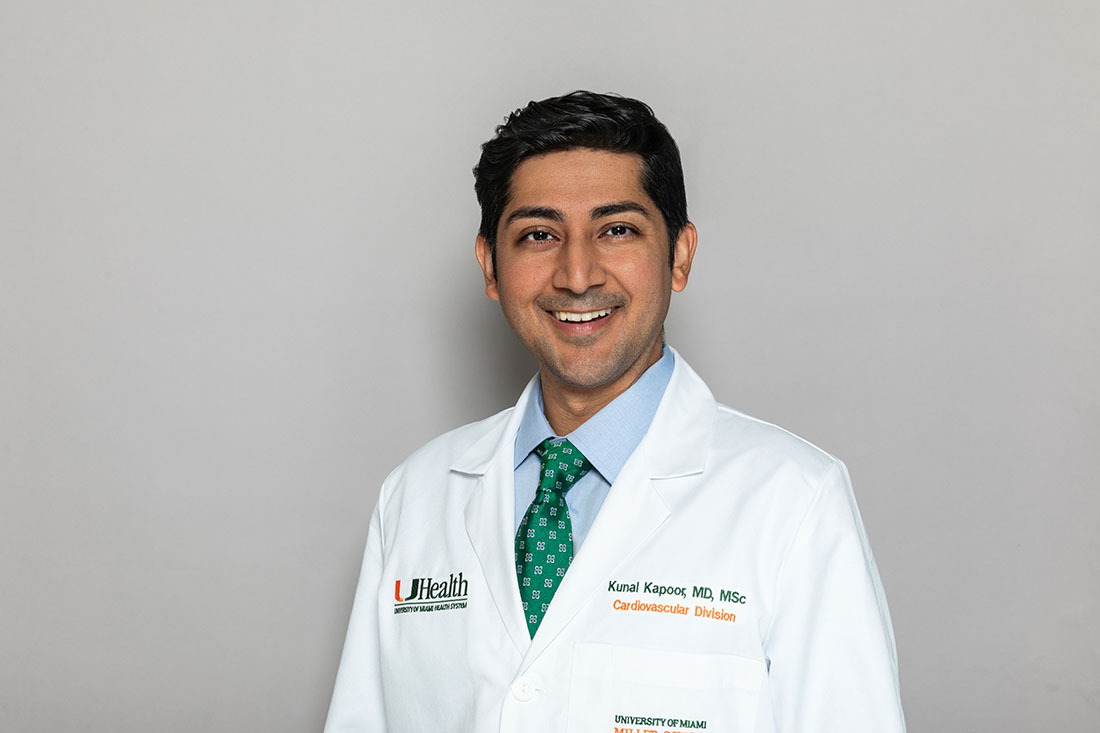
Kunal Kapoor, M.D., a clinical cardiac electrophysiologist and assistant professor of cardiovascular medicine at the University of Miami Miller School of Medicine, was brought in to remove the pacemaker leads
“The imaging clearly showed that the pacemaker lead was interfering with one of the valve leaflets,” Dr. Kapoor said. “Before the valve could be replaced, we had to eliminate what was preventing it from functioning properly.”
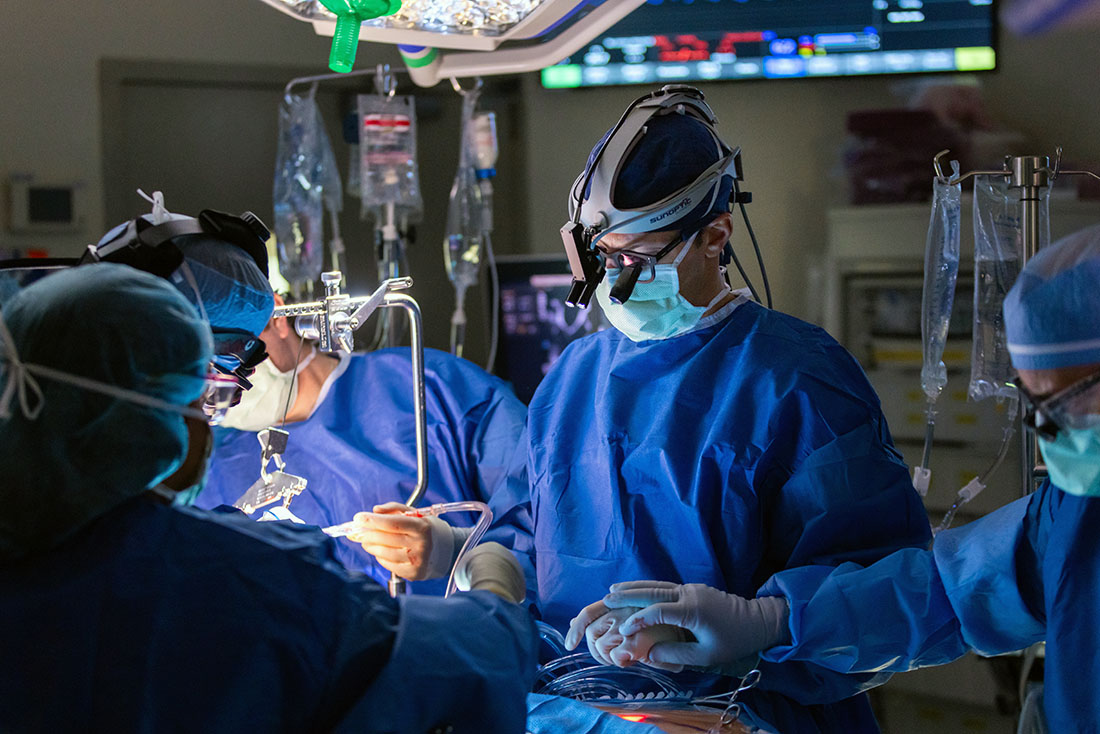
Removing pacemaker leads is one of the more technically demanding procedures in cardiac electrophysiology. Over time, the leads can become attached to heart tissue and blood vessels, requiring specialized tools and careful planning to remove them safely. Complications can include serious bleeding or damage to the heart or major blood vessels. A cardiac surgery team was available as backup
After reviewing Aguilera’s heart rhythm and pacing needs, the team determined that the existing pacemaker system could be removed and replaced with a leadless pacemaker, a small device implanted directly in the heart without wires crossing the tricuspid valve
“We were able to remove the entire pacemaker system and replace it with a leadless pacemaker,” Dr. Kapoor said. “The whole point was to eliminate the leads because that’s what started the problem in the first place.”
The five-hour procedure drew on expertise from electrophysiology, cardiac surgery, advanced cardiac imaging, cardiac anesthesia and nursing teams
“Lead extraction isn’t something every electrophysiologist performs, and not every hospital has the expertise or infrastructure to support it,” Dr. Kapoor said. “This patient’s success required expertise from many different specialties and disciplines working together for a shared vision
Replacing the Tricuspid Valve Without Open-Heart Surgery
Several weeks later, with the pacemaker leads no longer crossing the tricuspid valve, the team could turn to the problem that had brought Aguilera to UHealth in the first place
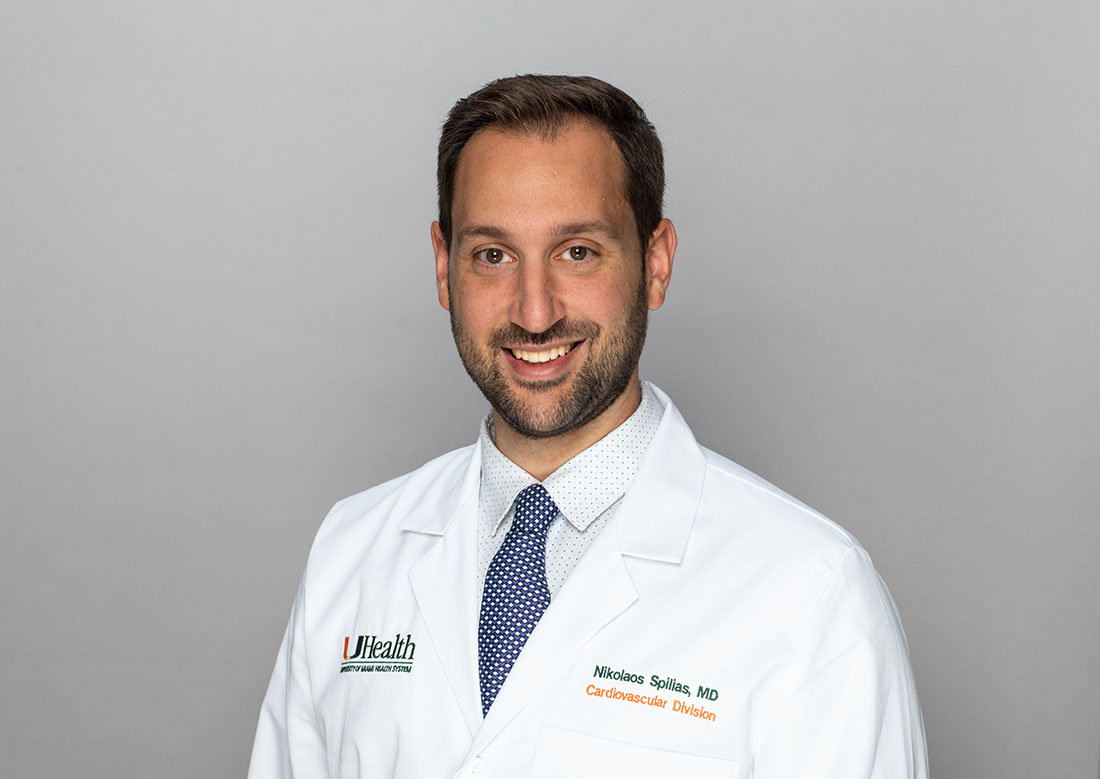
Nikolaos Spilias, M.D., a structural cardiologist and assistant professor of cardiovascular medicine at the Miller School, performed the second stage of Aguilera’s treatment, implanting a new valve using the recently approved Evoque transcatheter tricuspid valve replacement system. The valve was delivered through a catheter inserted into a vein in Aguilera’s groin and positioned inside the diseased tricuspid valve with the help of advanced echocardiography and fluoroscopy
“This is a minimally invasive, FDA-approved, catheter-based therapy that allows specialists to replace the tricuspid valve without any incisions or open-heart surgery,” Dr. Spilias said
The procedure took about two hours. Aguilera recovered well and returned home two days later without complications. For Dr. Spilias, the case demonstrates what can be accomplished when specialists across multiple cardiac disciplines combine their expertise
“This is a very demanding process,” Dr. Spilias said. “At the University of Miami, we have all the experts, and we work as one team to do complex procedures and help patients with complex cardiac problems, by offering the latest available technologies.”
Better Breathing, Less Fatigue and a Renewed Outlook
Today, Aguilera says he notices a significant difference. His shortness of breath has eased, the swelling in his legs has decreased and everyday activities no longer leave him as tired
“I feel about 55% to 65% better,” he said. “I’m no longer as fatigued doing normal daily activities.”
Aguilera says he never lost confidence in the physicians and staff who guided him through months of treatment
“Dr. Spilias, Dr. Kapoor and all of their teams were exactly the right people for this,” he said. “I always had complete faith and confidence in Dr. Spilias. Everything has gone perfectly, and I have received very good care.”
Now, Aguilera is focused on making the most of feeling better
“However many mornings I have left,” he said, “I want to enjoy them as much as I can.”

Can Advanced Mapping Improve AFib Ablation? The EMPIRE-AF Study
Learn how the EMPIRE-AF clinical trial is testing advanced heart mapping to improve catheter ablation outcomes for persistent AFib
Read more
The Ross Procedure: Expanding Options in Aortic Valve Surgery for Young Adults
A UHealth surgeon performed the institution’s first complex redo Ross procedure, restoring a heart valve patient’s health, future and hope
Read more
UHealth Launches Comprehensive Aortic Center to Treat the Most Complex Aortic Disease
UHealth’s Comprehensive Aortic Program delivers advanced, multidisciplinary care for aortic aneurysms, dissections and valve disease
Read more
Pulsed Field Ablation: A Safer, Faster Treatment for Atrial Fibrillation
Learn how the safer, faster pulsed field ablation procedure restored one patient’s heart rhythm and quality of life
Read more
