


Newslifestylehealth-and-fitnessSwine Flu Has Nothing To Do With Pigs
Swine Flu Has Nothing To Do With Pigs
Written By :
- Mrinalini Darswal
- ,News18.com
Last Updated:August 24, 2026, 11:39 IST
What kills people in an Indian flu season is very rarely the virus itself. It is the number of days that pass between the first fever and the first dose of the right medicine
Advertisement
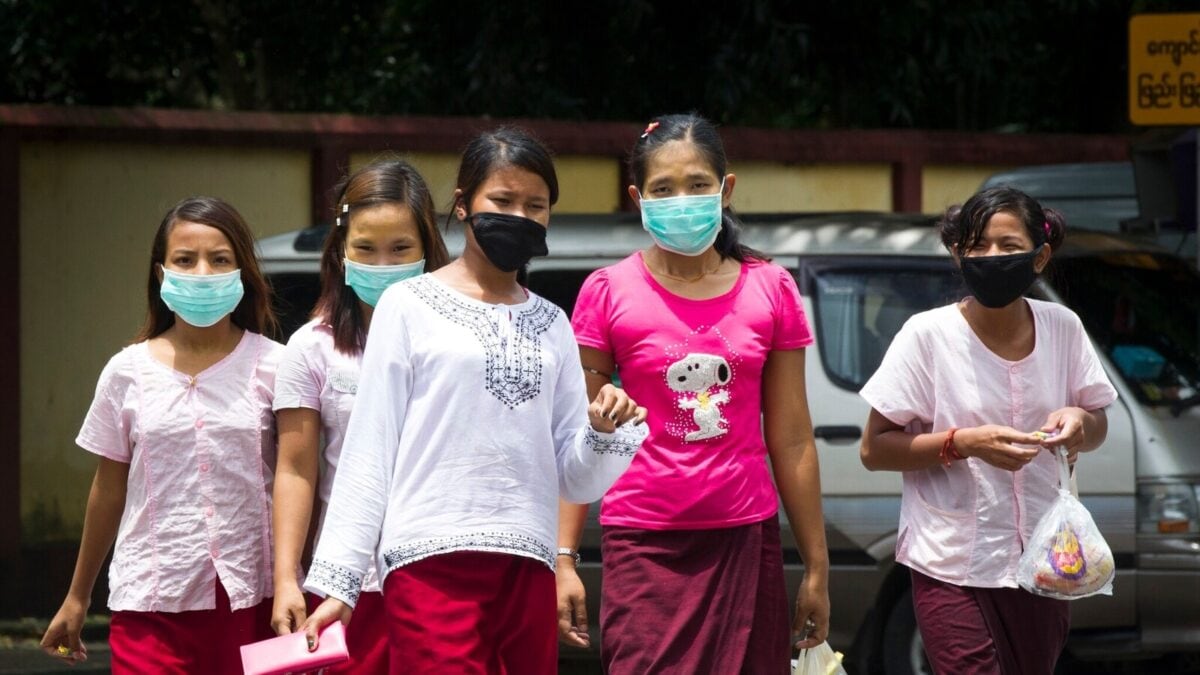
It is not caught from pigs or from pork. It passes from person to person exactly as flu. (File image)
Every year at about this point in the rains, the same sequence plays out. Outpatient departments fill with feverish patients, a city announces a jump in confirmed cases, television rediscovers the phrase “swine flu,” and within a fortnight the anxiety has moved on to something else. This year it is Delhi’s turn, with Mumbai, Bengaluru and Chennai reporting a similar rise, and the Union Health Ministry reviewing preparedness with the states once again
I want to make an argument that runs counter to most of what is being said about this. The rise in cases is not what we should be alarmed about. What kills people in an Indian flu season is very rarely the virus itself. It is the number of days that pass between the first fever and the first dose of the right medicine. A state government can shrink that number, and it costs almost nothing
Recommended Stories
Begin with the name, since the name causes most of the trouble. There is no separate disease here. What is going around is flu — ordinary, seasonal, annual influenza
advetisement
Three strains circulate in humans at any given time, and the one dominating a given season is simply whichever has the advantage that year. “Swine flu” was a poor description in 2009 and is a misleading one now
It is not caught from pigs or from pork. It passes from person to person exactly as flu has always done — in the droplets of a cough or a sneeze, and from a doorknob to a hand to an eye
What was dangerous sixteen years ago was novelty: almost nobody had met that strain before. It has since settled into the seasonal rotation, and each strain takes its turn dominating a given year. Last season, a different strain led; nobody wrote about it
Clinicians know the practical consequence, but the public generally does not. You cannot tell the strains apart at the bedside — fever, cough, sore throat, body ache, headache and exhaustion look the same whichever one you have. Only a laboratory can say which, and by the time it has said so, the moment that mattered has usually passed. One annual vaccine covers all three, in a single injection
There is exactly one distinction worth carrying in your head, and it is not a clinical one. The strain dominant in a given season determines who is hit hardest — this reflects who has met what, and when, over the past two decades of exposure and immunity
In a year when the burden shifts toward young adults, small children and pregnant women rather than the elderly, it is precisely the population that Anganwadi centres, antenatal clinics and hostels serve. That is why departments like mine — Women and Child Development — have to take an interest, rather than leaving the matter entirely to health administration
Now to the argument about deaths. Confirmed-case fatality figures for this strain in India have run into the high single digits per cent over the past decade and a half — a number that looks catastrophic and is somewhat misleading, because we mostly test people who are already very sick, so the denominator is far too small. But strip out the statistical artefact and something real is left underneath. Countries with the same virus and better systems do not lose people at anything like that rate.
Advertisement
The reason is timing, and the evidence on this point has only become stronger. A large Ontario study published this year in JAMA Network Open followed more than eleven thousand adults hospitalised for influenza across thirty hospitals and found that starting oseltamivir on the day of, or the day after, admission cut in-hospital mortality by close to a third relative to supportive care alone, while also shortening stays and cutting thirty-day readmissions
A separate multi-site US study of hospitalised adults found early treatment, begun on the admission day itself, roughly halved the odds of death and sharply lowered the odds of needing intensive care
Even in older adults treated later than is ideal, a pooled Canadian analysis published earlier this year found oseltamivir still lowered thirty-day mortality — but the earlier patients were treated, the larger that benefit
The pattern across every recent study is the same: the medicine works well within about forty-eight hours of the first symptom, and progressively less well after that. In pregnancy specifically, treatment started within that window is what prevents the illness from tipping into respiratory failure
advetisement
None of this is new, contested or expensive evidence. It has been consistent for over a decade, and 2025’s research has only sharpened the numbers
Set that against how the typical Indian case actually unfolds. A patient is unwell for three or four days, takes paracetamol, visits a chemist, then a local practitioner, is treated for undifferentiated fever, deteriorates, arrives at a district hospital on day six, is swabbed, waits for a result, and receives the medicine on day seven or eight. By then, the medicine has almost nothing left to offer. The patient is not dying of a virulent infection. The patient is dying of the four days that were spent finding the right counter.
So the single most useful instruction any state can issue this month is short. For a pregnant woman, a child under five, an elderly person, or anyone with heart, lung, kidney or sugar disease who turns up with fever and cough during the season, start the medicine immediately on clinical suspicion. Do not wait for a swab. Do not wait for a result. The test is for surveillance, not for treatment, and it must never become the gatekeeper. The national triage guidance already permits this. It simply isn’t followed, because a system trained for years to confirm before it acts finds it hard to reverse that instinct.
advetisement
Three things have to be in place for that instruction to mean anything
First, the medicine has to physically exist at block level and below, in the syrup and low-dose forms that children need, with someone named and accountable for reporting stock-outs. Holding stock only at medical colleges reproduces the very delay we are trying to eliminate
Second, the people most likely to die should be offered the vaccine before the season, not lectured about hygiene during it. Vaccinating pregnant women protects them and protects their infants, who cannot be vaccinated themselves for the first six months of life — the evidence here is strong enough that the World Health Organisation ranks pregnant women as its highest priority group of all, ahead even of the elderly and healthcare workers. Frontline workers, who are exposed all day and then carry infection home and into institutions, come next.
Third, closed institutions need standing instructions. Childcare homes, shelter homes, hostels and residential schools are places where a single introduction becomes a cluster within a week, and where staff attendance rules quietly encourage sick people to keep coming to work
top videos
View All
View all
Finally, measure the right thing. Every district in the country counts cases. Almost none of them count hours. If I were reviewing this in any district today, I would ask for one number and only one: for every death attributed to flu this season, how many days passed between the first symptom and the first tablet. That figure will tell you more about how your system is performing than any case count ever will, and unlike a case count, it is a number you can be held to
Odisha is not on the national list this week. That is not a matter of luck; it is only the calendar. The second peak of the season arrives after the monsoon withdraws, and the useful work — stocking the drug down to the last sub-centre, vaccinating before the surge rather than during it, and writing the forty-eight-hour instruction into every district’s standing orders — is all of the kind that has to be finished before then
Key Questions Answered
What are the key differences between seasonal flu and swine flu?
Swine flu, also known as H1N1, is a type of influenza A virus that causes a respiratory infection in humans. It is considered a seasonal flu and its symptoms are generally similar to those of other seasonal flu strains, including fever, cough, sore throat, headache, fatigue, and body aches
How can India improve its response to seasonal influenza outbreaks?
India can improve its response to seasonal influenza outbreaks by strengthening disease surveillance, testing, and timely treatment, along with effective utilisation of existing surveillance and laboratory networks. Early detection, timely testing, and appropriate clinical management of cases are crucial, as is preparing hospitals for potential threats and raising public awareness about preventive measures
Will early treatment with oseltamivir prevent severe flu complications?
Early treatment with oseltamivir can prevent severe flu complications, including reducing the odds of death and the need for intensive care. For pregnant individuals, starting treatment within the recommended window can prevent the illness from progressing to respiratory failure
Click here to add News18 as your preferred news source on Google.Check RBI MPC Meeting 2026 Live Updates, Repo Rate Today.
tags :h1n1 influenzaSwine Flu
Location :New Delhi, India, India
First Published:August 24, 2026, 11:31 IST
Latest News
25-Year-Old Makes ₹4.35 Crore In 2.5 Years, Now Says ‘I’m Completely Lost’ As Business Income Crashes
Viralhealth and fitness
Can You Wake Up Without An Alarm? These Sleeping Habits May Help
Bollywood
Krushna Abhishek On Govinda-Sunita Ahuja Row: ‘Mama Ka Koi Sawal Mat Poochhna’
Breaking News
Shehbaz Sharif | Massive Protests Erupt In Pakistan Over Rising Inflation & Cost Of Living Crisis
Bollywood
Krushna Abhishek Reacts To Govinda And Sunita Ahuja’s Controversy: ‘Bhagwan Kare Sab Solve Hojaaye’
latest news
