


Dancing Through Emotions: Traditional Movement Boosts Children’s Mental Wellbeing
COE-EDP, VisionRI|Updated: 01-09-2026 14:47 IST | Created: 01-09-2026 14:47 IST

Analyzing article…
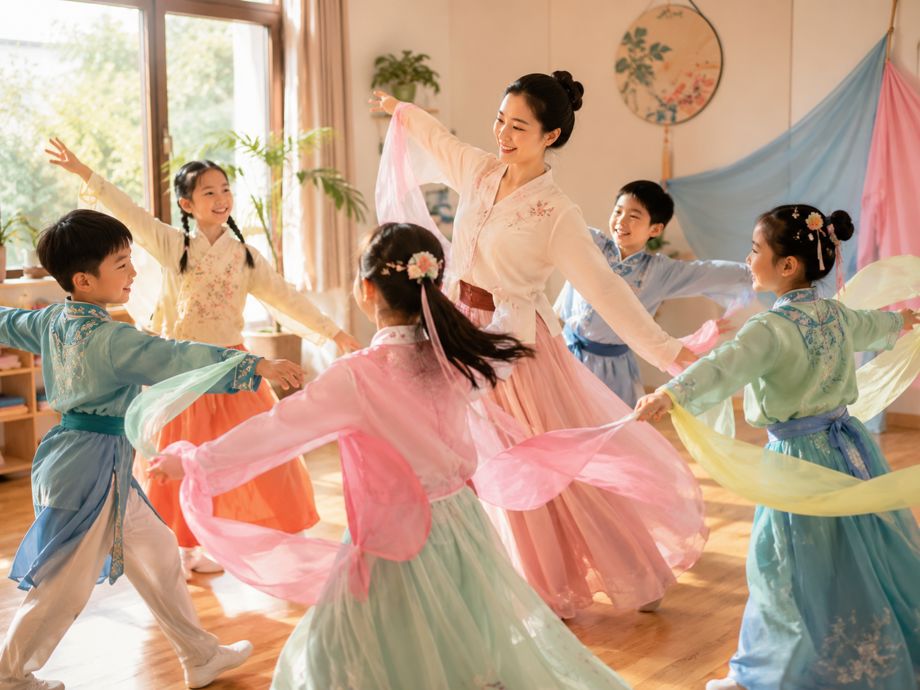
A randomized controlled study suggests that traditional cultural dance may offer children far more than physical activity or artistic education, with structured sessions linked to stronger emotional regulation, lower anxiety and depressive symptoms, improved self-esteem and better social adjustment. The research, titled ‘Influence of dance therapy mode of intangible cultural heritage on children’s emotional regulation and psychological wellbeing: a randomized controlled intervention study,’ was conducted by Xuetao Liu and Shuwei Xie and published in Frontiers in Public Health on August 31, 2026.
The researchers were interested in intangible cultural heritage, or ICH, dance because traditional dance naturally brings together rhythm, coordinated movement, emotional expression, cooperation and cultural meaning. These features could give children a way to work through emotions using their bodies, also practicing social interaction and developing a sense of cultural connection, creating a form of support that feels very different from conventional talk-based psychological programs
100 children tested a structured form of traditional dance therapy
The study involved 100 children aged 6 to 12 who showed mild emotional sensitivity, social adjustment difficulties, increased stress, attention problems or emotional instability. Researchers randomly assigned 50 children to an ICH dance therapy group and another 50 to a control group receiving routine psychological group counselling, with the two groups showing no meaningful differences in age, gender or baseline psychological scores before the program began
Children in the dance group took part in a 12-week structured intervention, followed by a four-week follow-up period. Sessions were held three times a week and generally lasted around 35 to 45 minutes. Dance instructors and psychological counsellors worked together in a controlled environment, keeping physical intensity low to moderate and avoiding competitive or high-pressure activities that could create unnecessary emotional strain
The program was built around six broad elements that combined rhythmic movement, emotional expression, relaxation, group dancing, cultural content and personal emotional reflection. Traditional Chinese folk-dance influences included Tibetan, Mongolian, Dai and Uygur dance styles, while the sessions placed much more emphasis on emotional expression, interaction and cultural experience than on learning technically perfect dance movements
Children receiving conventional counseling followed a similarly timed schedule involving emotional awareness training, guided relaxation, verbal communication and structured social exercises, giving researchers a comparison group that received active psychological support without dance, rhythmic body expression or cultural heritage elements
Emotional regulation improved far more in the dance group
The greatest changes appeared in children’s ability to understand, express and manage their emotions. Emotional Regulation Checklist scores rose from 42.51 before treatment to 71.34 after treatment in the dance group, while scores in the counseling group increased from 43.02 to 54.28
Researchers also reported improvements in emotional cognition and emotional stability across the intervention period, with repeated measurements showing meaningful effects over time and clear differences between the two groups. The study shows the dance group’s emotional-regulation score rising sharply through weeks six and twelve, with most of that improvement remaining visible during follow-up
These findings matter because children do not always have the vocabulary needed to describe fear, tension, frustration or anxiety clearly. Dance can give those feelings a physical outlet, allowing emotions to be expressed through movement rather than depending entirely on conversation. The authors suggest that repeated rhythm, coordinated movement and breathing may also support emotional self-regulation by linking bodily experience with emotional processing
Anxiety and depressive symptoms fell as self-esteem and social skills grew
Average GAD-7 anxiety scores fell from 12.46 to 5.12 in the dance group, compared with a reduction from 12.38 to 9.46 in children receiving conventional counseling. PHQ-9 depressive symptom scores dropped from 11.22 to 4.83 in the dance group, while the control group moved from 11.15 to 8.74. Every post-intervention comparison listed in the study showed a probability value below 0.001
Social adaptability showed a similarly large change, increasing from 48.33 to 74.85 among children receiving dance therapy, compared with 47.92 to 58.21 in the control group. Self-esteem increased from 21.84 to 33.42 in the dance group, while the counseling group rose from 21.56 to 25.74
The social benefits appeared in peer interaction, group cooperation, social participation, environmental adaptation and collective integration. Dancing in synchrony required children to watch one another, coordinate their movements and respond to shared rhythms, creating repeated opportunities to practice cooperation without making social interaction feel like a formal lesson
Emotional regulation was strongly associated with broader social development. Better emotional regulation correlated with social adaptability at r greater than 0.70, while participation frequency showed a correlation above 0.60. It suggests that children who became better at handling their emotions also tended to function more comfortably in social settings
Cultural meaning may be part of what makes the approach different
The authors believe the cultural character of ICH dance could add psychological value that ordinary exercise does not provide. Traditional dance carries shared stories, symbols, aesthetic ideas and community memory, which may strengthen children’s sense of belonging and reinforce positive feelings about identity while they are also gaining the emotional benefits of movement
Safety monitoring covered emotional distress, fatigue, physical discomfort, sports injuries, withdrawal and emotional overload. The researchers reported no serious adverse reactions during the trial
Standardized neuropsychological testing was not included in the initial assessment, making it harder to account fully for developmental and cognitive differences between children, while the follow-up period was relatively short. They recommend broader diagnostic testing and longer follow-up periods in future studies before the approach is assumed to work equally well across wider populations
The findings still offer an intriguing picture of what child mental-health support can look like when movement, culture and psychology are brought into the same space. Rather than treating dance as an extracurricular activity alone, the study presents traditional dance as a structured body-and-mind intervention that could potentially support school mental-health programs, emotional education, aesthetic learning and cultural heritage education at the same time
- FIRST PUBLISHED IN:
- Devdiscourse
ALSO READ
Samoa Moves to Protect Tatau Tradition for Future Generations
