


Add Us On GoogleAdd as a preferred source on Google
Neb. (KOLN) – The Lincoln-Lancaster County Health Department (LLCHD) reported the death of an adult in their 60s due to West Nile virus (WNV)
On Tuesday, the first WNV-related death in Nebraska for this season was reported in Lancaster County. Over the past five years, Nebraska has seen an average of six WNV deaths per year, according to the Nebraska Department of Health and Human serives
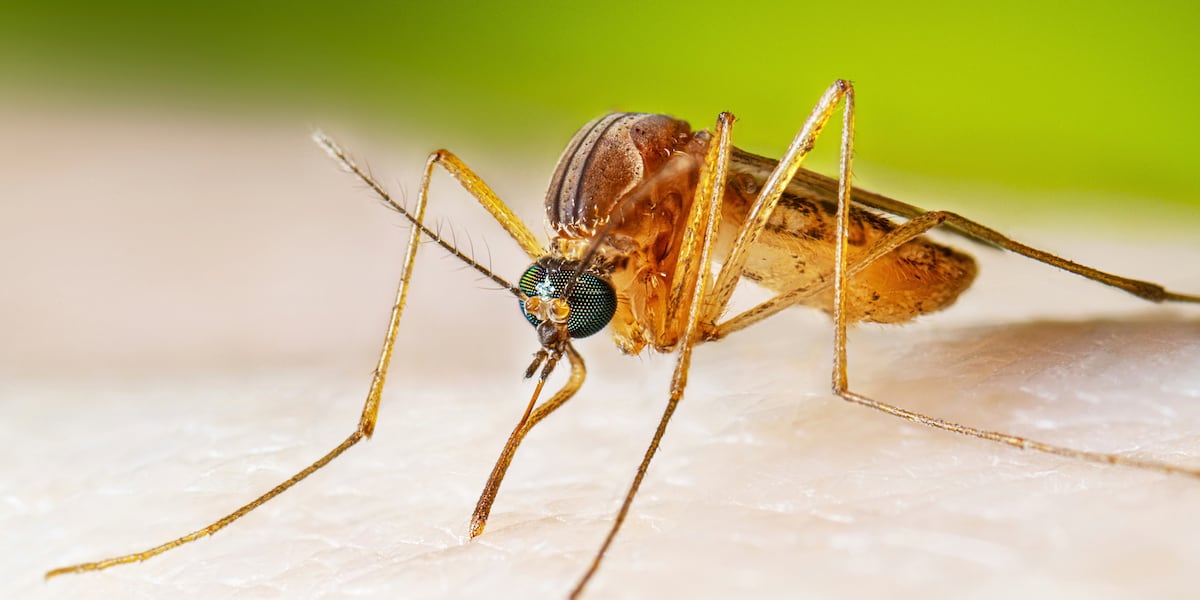
West Nile virus is transmitted to people through the bite of an infected mosquito. Seven cases have been reported in Lancaster County this summer, with four requiring hospitalization
Prior the first of September, no WNV deaths had been reported in Lancaster County since 2023
LLCHD reminds people that mosquitoes are still active until around the first frost, that it’s important to take measures to protect themselves from mosquito bites and help prevent West Nile virus in our communities
Take the following actions to avoid mosquito bites:
- Use an EPA-registered insect repellent when spending time outside such as those with DEET, picaridin, IR3535, oil of lemon eucalyptus, para-menthane-diol, or 2-undecanone. Visit epa.gov/insect-repellents for more information.
- Limit time outdoors at dusk and dawn when mosquitoes are most active.
- Wear long-sleeved shirts, pants, shoes, and socks when outside.
Most people who become infected with WNV do not feel sick. About one in five will develop a fever with other symptoms such as headache, body aches, joint pains, vomiting, diarrhea or rash. Less than 1% of people infected will develop a serious illness like encephalitis or meningitis (inflammation of the brain or surrounding tissues)
While it’s possible for anyone with WNV to develop mild or severe illness, some people are at higher risk of severe illness including older adults, people with certain underlying medical conditions (like cancer, diabetes, high blood pressure, kidney disease) or people with weakened immune systems
The Health Department also reminds residents to keep taking steps to reduce mosquito breeding areas in and around their homes:
- Dump small wading pools daily and maintain swimming pools properly.
- Clear debris, weeds and litter from drainage ways.
- Change water in birdbaths weekly and pet bowls daily.
- Store tires, buckets and containers where they can’t collect water.
- Fill in low spots in yards.
- Maintain garden ponds and fountains and always keep water flowing.
People with questions about West Nile virus, mosquito control, and standing water or mosquito breeding site complaints should contact the Health Department at 402-441-8002
Click hereto subscribe to our 10/11 NOW daily digest and breaking news alerts delivered straight to your email inbox
Copyright 2026 KOLN. All rights reserved
