


While watery porridge fills a child’s stomach, it does not provide the nutrition needed for growth
North-West University says school meals reached 87-million African children in 2024, but they often arrive too late to address nutritional losses during the crucial first 1,000 days of a child’s life
School meals usually begin when children are five or six years old. They cannot recover growth that has already been lost
Affordability is a major factor across the continent, but some foods deliver far more nutrients, or more energy, per unit of money than others
Children need energy for growth, protein to build tissue and a reliable supply of vitamins and minerals. Iron, zinc, vitamin A and iodine are especially important for brain development and immune health. Staple foods generally provide energy, but obtaining enough protein and micronutrients is where household budgets come under pressure
Registered dietitian Christine Taljaard-Krugell, an associate professor at NWU’s Centre of Excellence for Nutrition, offered her advice to caregivers on which foodstuffs to add to meals where feasible
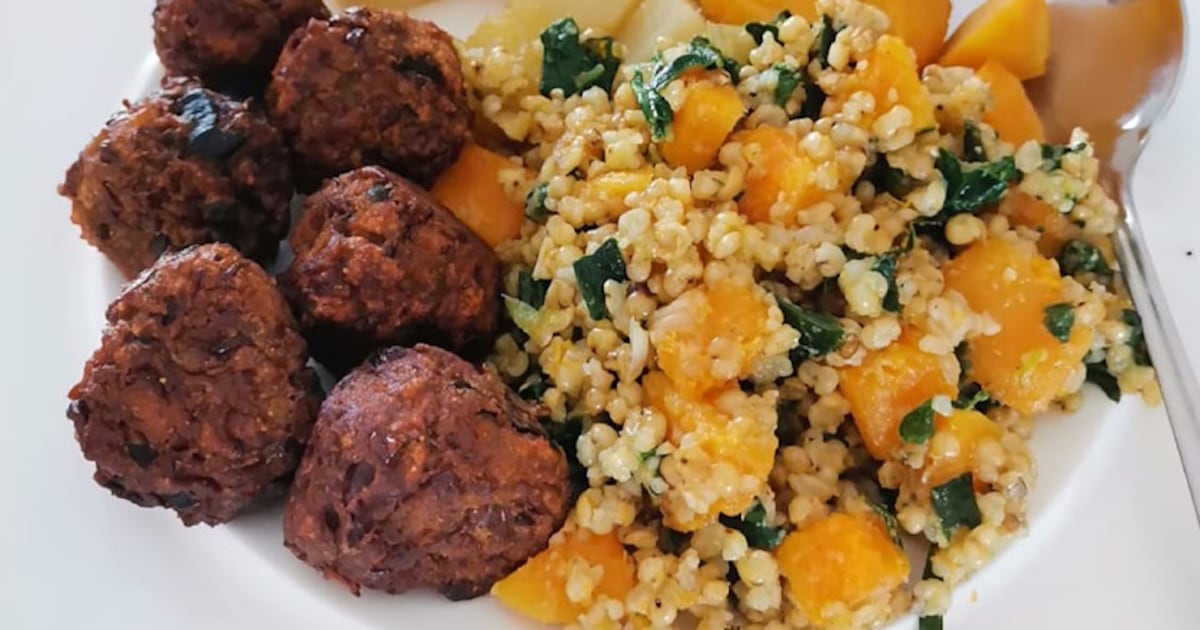
Dark green leafy vegetables, pumpkin, orange-fleshed sweet potato, mango and papaya can provide vitamin A relatively cheaply
Beans, cowpeas and groundnuts are among the region’s lowest-cost
“In South Africa, where foods have been ranked directly against one another, pulses offer the best nutritional value per rand of anything in the market,” she said
Small, dried fish eaten whole, including the bones, is particularly valuable because it provides protein, iron, calcium and vitamin B12 in one inexpensive food
This does not mean families should abandon maize, rice, cassava or other familiar staples. These foods remain the backbone of household meals because they are affordable and provide the energy children need. The greatest improvement can come from what is served with them
“Cook a legume with the staple, such as beans, peas or pounded groundnut. Stir in a spoonful of oil, which adds energy and helps the body absorb vitamin A. Add leaves near the end of cooking rather than boiling them down.”
For children under two, breastfeeding remains critical: exclusively during the first six months and then alongside complementary foods until two years. Mothers, however, also need sufficient nutrition for this
Taljaard-Krugell shared two precautionary warnings
First, when porridge is introduced from six months, it should be mixed correctly to provide sufficient nutrition. “Watery porridge fills a small stomach without feeding a growing child.”
Second, families should remove mouldy or discoloured maize and groundnuts before cooking. Mould can contain toxins associated with poor childhood growth
