


Categories:Program and Feature News
|
Published: July 16, 2026
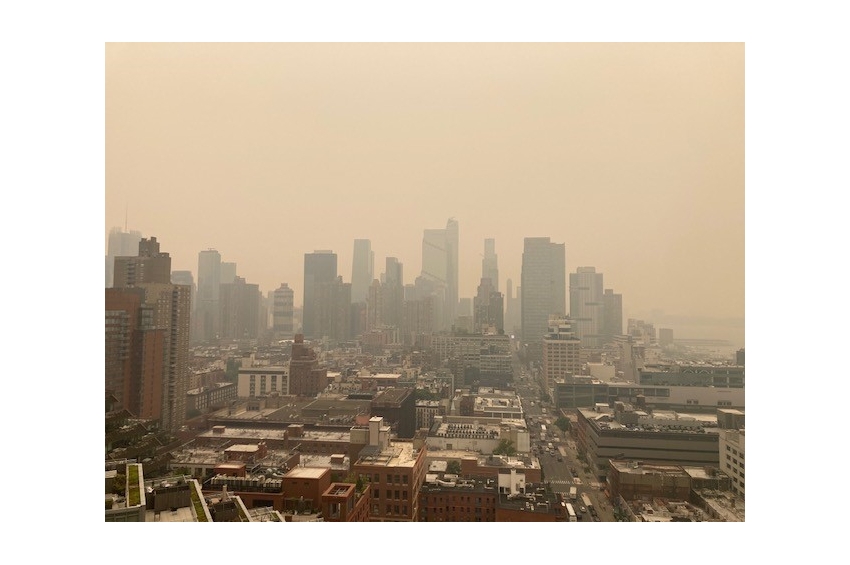
July 16, 2026 — Parts of the U.S. are experiencing smoke from Canadian wildfires drifting down and summer temperatures pushing up, creating a potentially deadly situation, according to the American Heart Association, a relentless force changing the future of health for everyone everywhere
“Extreme heat and wildfire smoke each carry major risks, especially for people with chronic health conditions including heart disease. The combination of the two is extremely dangerous,” said Manesh R. Patel, M.D., FAHA, volunteer president of the American Heart Association, chief of the division of cardiology, chief of the division of pharmacology, the Richard Stack Distinguished Professor of Medicine at Duke University School of Medicine, a senior investigator at the Duke Clinical Research Institute, and vice president of Heart and Vascular Services for Duke Health, Durham, North Carolina. “We want people to be mindful of the increased risk and take steps to protect themselves and their loved ones.”
Patel said beyond the immediate dangers to life and property where the fires are burning, breathing and respiratory health problems are often considered the biggest health impact from wildfire smoke. However, it’s important to recognize the serious impact on cardiovascular health, as well. And that impact is far reaching
“Wildfire smoke contains a lot of pollutants including fine, microscopic particles linked to cardiovascular risk. There is a lot of strong scientific evidence that smoke exposure may worsen the health of people with existing heart disease and may trigger a major cardiovascular event even in those without known health conditions,” he said. “As these fires continue to burn, that contaminated smoke is traveling many miles beyond the immediately affected area. And its traveling into places that have been seeing record temperatures of summer heat.”
A study published in Circulation, the peer-reviewed flagship journal of the American Heart Association, found that the risk of fatal heart attacks nearly doubled during days of extreme heat waves and high levels of fine particle pollution. The risks were even greater for women and older individuals
Several research studies have linked smoke exposure to an increased risk of sudden cardiac arrest and a higher volume of visits to local emergency rooms for other cardiovascular disease-related causes
- A study published in the Journal of the American Heart Association found that exposure to heavy smoke during wildfires raised the risk of out-of-hospital cardiac arrests up to 70%. The risk was elevated among men and women, among adults 35-64 years old and in communities with lower socioeconomic status.
- Previous findings from the same research group noted that wildfire smoke exposure was associated with increased rates of emergency room visits, not just for breathing trouble, but also ischemic heart disease, irregular heart rhythm, heart failure, pulmonary embolism and stroke.
“While you can’t change the weather or the air quality in the community, being aware and taking precautions can help reduce these risks for yourself and your family,” Patel said
He offers the following tips for reducing exposure to wildfire smoke and extreme heat:
- Avoid the heat and smoke.
- Stay indoors with doors and windows closed if possible, to limit smoke exposure.
- Use high-efficiency air filters in air conditioning systems or portable air cleaners indoors, which have been shown to reduce indoor particulate matter by as much as 50-60%, according to the American Heart Association’s 2020 scientific statement on air pollution exposure.
- Consider seeking other shelter if your home does not have an air conditioner and it’s too warm to stay inside.
- Limit outdoor activity especially between noon and 3 p.m. when temperatures are typically at their highest.
- Wear a mask outdoors.
- Take care of your body if you must be outside.
- Avoid exertion and take breaks to rest in the shade or a cool indoor space to give your body time to recover.
- Keep well hydrated by drinking plenty of water before, during and after time outdoors. Avoid alcohol and caffeinated drinks, which can contribute to dehydration.
- Dress smart by choosing lightweight, light-colored clothing and wear a hat and sunglasses. Use sunscreen to protect your skin.
- Watch out for others.
- Risks for extreme heat and air pollution are higher for older people and those who already have chronic health conditions, so check on your people.
- Be mindful that your pets may also be affected by the smoke and heat and bring them indoors, as well.
Recognizing the signs of a heart attack or stroke are important. Pay attention to your body and call 911 immediately if you or others experience:
- Chest discomfort. Most people having a heart attack feel discomfort in the center of the chest. It can last more than a few minutes, or it may go away and then return. It can feel like uncomfortable pressure, squeezing, fullness or pain.
- Discomfort in other areas of the upper body. Symptoms can include pain or discomfort in the:
- Arms (one or both)
- Back
- Neck
- Jaw
- Stomach
- Shortness of breath. This can happen with or without chest discomfort.
- Other signs. Other possible signs include:
- Breaking out in a cold sweat
- Nausea
- Rapid or irregular heartbeat
- Feeling unusually tired
- Feeling lightheaded
A heat stroke is a different, yet also deadly, medical emergency. Call 9-1-1 immediately if you notice:
- Body temperature above 103°F
- Hot, red, dry or damp skin
- Rapid, strong pulse
- Confusion, headache or loss of consciousness
- Nausea
Additionally, knowing and performing CPR can more than double the chance of survival if you see someone experiencing cardiac arrest
The U.S. Environmental Protection Agency, in collaboration with other government and private agencies, offers a zip code-level tracking map of current air quality at airnow.gov. Patel recommends checking that site regularly if you’re seeing signs of wildfire smoke and haze developing where you live. It’s also important to stay informed about any special alerts sent out by your local health department
“Protect yourself, be alert and prepared,” he said. “It could be the difference in saving your life or that of someone you love.”
The American Heart Association has re
- Multimedia is available on the right column of the release link.
- Spanish news release
- American Heart Association health information: Wildfire resources
- American Heart Association information: Protect Your Heart in the Heat
- American Heart Association health information: Community Emergency Resources
- Follow American Heart Association news on X @HeartNews
###
About the American Heart Association
The American Heart Association is a relentless force for a world of longer, healthier lives. Dedicated to ensuring equitable health in all communities, the organization has been a leading source of health information for more than one hundred years. Supported by more than 35 million volunteers globally, we fund groundbreaking research, advocate for the public’s health, and provide critical resources to save and improve lives affected by cardiovascular disease and stroke. By driving breakthroughs and implementing proven solutions in science, policy, and care, we work tirelessly to advance health and transform lives every day. Connect with us on heart.org, Facebook, X or by calling 1-800-AHA-USA1.
For Media Inquiries and AHA Expert Perspective:214-706-1173
Cathy Lewis, cathy.lewis@heart.org
For Public Inquiries: 1-800-AHA-USA1 (242-8721)
heart.org and stroke.org
