


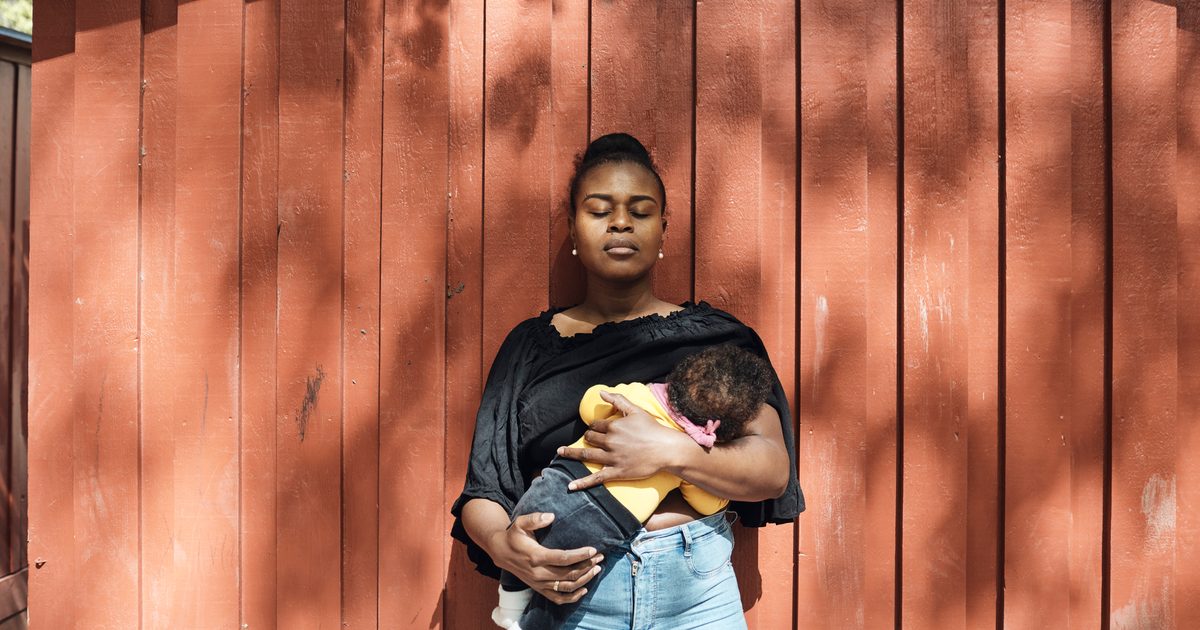
Most new mums have heard conflicting advice about what they should and should not eat while breastfeeding. From avoiding spicy food to cutting out dairy, social media is full of well-meaning tips that can leave parents feeling overwhelmed
This Breastfeeding Week (1st – 7th August 2026), Joanne Kwok, advanced dietitian at HCA Healthcare UK’s The Portland Hospital, shares her tips on breastfeeding and debunks some of the biggest breastfeeding myths
What to see more MadeForMums in your search results? Tell Google!
From parenting news to expert advice and trusted product recommendations, make sure you don’t miss the MadeForMums content that matters to your family.
Add MadeForMums as a Preferred Source on Google.

Most breastfeeding food restrictions are unnecessary
Most breastfeeding mothers can continue eating a normal, varied diet without unnecessary restrictions, so instead of focusing on foods to avoid, Joanne says the priority should be eating well enough to support both mum and baby
One of the most common myths is that breastfeeding mothers should avoid foods like spicy meals, garlic, citrus fruits or cruciferous vegetables because they can make babies windy or unsettled – but Kwok says there is very little evidence to support this
She also warns against removing dairy products without medical advice
“Another common misconception is that breastfeeding mothers need to cut out dairy to prevent allergies. Unless a baby has symptoms that raise concerns about a cow’s milk protein allergy, such as blood or mucus in the baby’s stool, severe eczema or poor growth, there is usually no reason to remove dairy products from the maternal diet.”
In reality, most women can continue to eat a normal, varied diet while breastfeeding.
She explains that unnecessary dietary restrictions can make it harder for mothers to meet their own nutritional needs while adding extra stress during an already demanding stage of parenthood
What should you eat while breastfeeding?
Rather than following restrictive diets or searching for so-called superfoods, Kwok recommends aiming for a balanced diet that includes foods from all the major food groups
Some of the key nutrients to prioritise include:
- Protein from eggs, fish, lean meat, dairy products, beans, lentils and tofu.
- Calcium from milk, yoghurt, cheese or fortified dairy alternatives.
- Iodine from dairy products, fish and eggs, which is important for infant brain development.
- Iron from lean red meat, beans, lentils, fortified cereals and leafy green vegetables, especially after significant blood loss during birth.
- Omega-3 fats from oily fish such as salmon and sardines to support infant brain and eye development.
- Vitamin D, which many women will need to supplement after speaking to their GP or dietitian.
Staying hydrated is also important, but Kwok says there is no need to force yourself to drink excessive amounts. Drinking regularly throughout the day and responding to thirst, particularly during feeds, is usually enough
Easy ways to eat well with a newborn
Finding time to prepare meals can be one of the biggest challenges during the early weeks with a baby, so Kwok recommends keeping simple, nutrient-rich snacks close to where you usually breastfeed
- Yoghurt
- Nuts
- Fresh fruit
- Oatcakes
- Cheese
- Boiled eggs
- Nut butter on toast
Should you avoid caffeine or spicy food?
Many mothers worry that everyday foods and drinks could affect their breast milk
Kwok says caffeine passes into breast milk in small amounts, so moderation is recommended. Most women can still enjoy tea, coffee and other caffeinated drinks while breastfeeding, although excessive amounts may contribute to irritability or disrupted sleep in some babies
Spicy foods are also generally safe. While flavours can pass into breast milk, this is not usually harmful and may even introduce babies to a wider range of tastes
How to spot breastfeeding nutrition myths online
Social media can offer valuable support for new parents, but it is also a place where misinformation spreads quickly
Kwok recommends being cautious of advice that:
- Suggests cutting out entire food groups without a medical reason.
- Claims one food is responsible for common behaviours such as crying, wind or poor sleep.
- Relies on personal stories instead of scientific evidence.
Instead, she encourages parents to seek advice from registered dietitians, healthcare professionals and recognised infant feeding organisations
For most breastfeeding mothers, she says the best approach is a varied, balanced diet combined with evidence-based guidance if concerns arise
Loading…
