


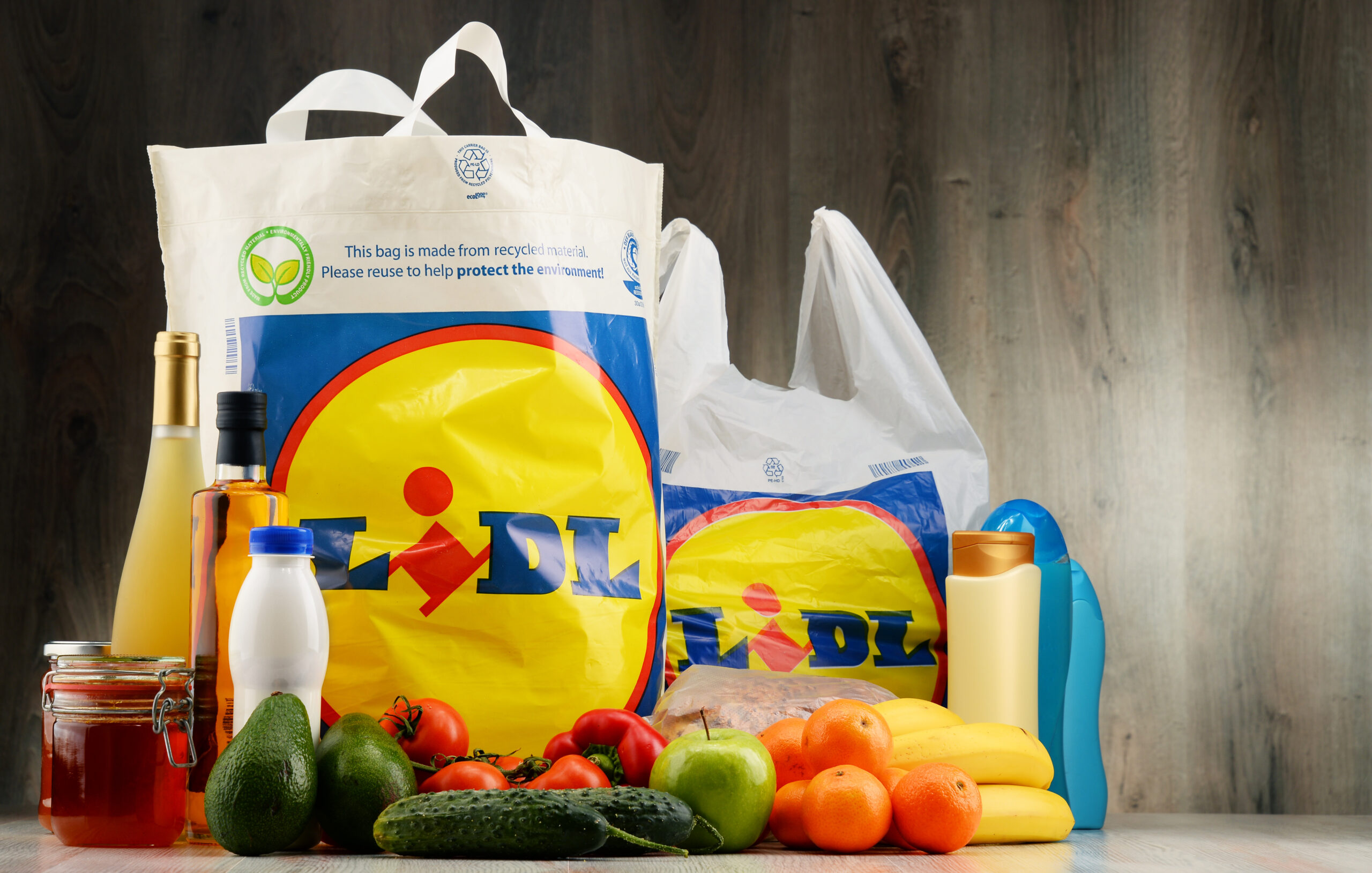
The research, commissioned by Lidl GB, estimated that Great Britain reached its Planetary Health Diet Overshoot Day on Saturday (25 July). From this point onwards, the country is eating in a way that strains both the planet’s natural re
According to the research, Britons are eating 40% of the fruits and vegetables recommended for a healthy diet, and just 15% of the suggested amount of fibre-rich wholegrains
The country also only consumes around 18% of the recommended levels of plant-based protein, while over-eating animal protein by 60%
Register for free and continue reading
Already have an account? Login here
Image credit: Adobe Stock
The research, commissioned by Lidl GB, estimated that Great Britain reached its Planetary Health Diet Overshoot Day on Saturday (25 July). From this point onwards, the country is eating in a way that strains both the planet’s natural re
According to the research, Britons are eating 40% of the fruits and vegetables recommended for a healthy diet, and just 15% of the suggested amount of fibre-rich wholegrains
The country also only consumes around 18% of the recommended levels of plant-based protein, while over-eating animal protein by 60%
Meat is one of the most carbon-intensive food products, with the United Nations’ Food and Agriculture Organization (FAO) estimating that, combined with dairy, meat is responsible for 14.5% of all human-induced greenhouse gas (GHG) emissions
Britons also consume 60% more foods that are high in fats and sugars than is recommended
People- and planet-friendly diets
These recommended limits are based on the EAT-Lancet Commission’s Planetary Health Diet (PHD)
Published in 2019, the PHD guidelines are designed with a future population of 10 billion people by 2050 in mind. They also account for planetary boundaries relating to emissions and nature, and are intended to improve public health, particularly in wealthy nations with high rates of conditions associated with diets rich in high-calorie, processed foods including animal products
According to the guidelines, around half of our diets should be made up of fruits and vegetables. Whole grains, nuts and legumes comprise around a third of the total intake recommended by the Commission, offering plant-based proteins and unsaturated fats
Meat and dairy products aren’t off the menu but should be limited to once or twice a week: in short, it’s similar to the traditional unprocessed diets of many countries
A recent study has found that, if the whole world switched to this kind of diet, it could reduce net agriculture-related carbon dioxide (CO2) emissions by 85% by 2050
According to a 2025 report from the EAT-Lancet Commission, more than half of the world’s population struggles to access healthy diets, “leading to devastating consequences for public health, social equity, and the environment”
Likewise, Lidl consumer research has found that 45% of people believe that affordability is one of the biggest barriers to eating more healthily and sustainably. Two-thirds say that they worry about the impact of their diet on their long-term health, with more than half saying they want more guidance on how to eat healthily without spending more money at the supermarket
Richard Bourns, chief commercial officer at Lidl GB, said: “These findings are a wake-up call. As a nation, we’re at a dietary tipping point, and we need a big shift in how we eat to ensure we’re consuming more of what we’re currently lacking. Our research shows people want to make healthier and more sustainable choices for the planet, but often affordability stands in the way
“At Lidl GB, we’re breaking down those barriers by proving that market-leading value can go hand-in-hand with making foods encouraged by the Planetary Health Diet more affordable and accessible
“As the first discounter and British retailer to align our commercial strategy to the principles of the Planetary Health Diet, we’re supporting this ambition through year-round promotions, rewards and initiatives designed to make balanced choices more affordable. By highlighting how quickly we have overshot the Planetary Health Diet targets, we also hope to bring balance to Britain’s diet by working with retailers, policymakers and producers to make better food accessible for everyone.”
Lidl: Affordable and climate-friendly food
One way that Lidl is trying to facilitate that is through aligning its sales targets with the principles of the PHD
In 2024, Lidl announced an ambition for plant-based protein to account for one-quarter of its total protein sales by 2030. As part of that, it confirmed plans to more than treble the number of plant-based meat and dairy alternatives it offered customers
The supermarket also aims to increase the share of wholegrain products sold to 25% by the end of the decade, as well as categorise 10% of its own-brand range as ‘Live Well’ by 2030
Lidl’s Live Well marker is applied to foodstuffs that meet the company’s evidence-based sustainability and health criteria, the latter of which is approved by an expert third party, the British Nutrition Foundation
Elaine Hindal, chief executive at the British Nutrition Foundation, said: “A healthier, more sustainable diet doesn’t need to be complicated. Helping people understand what a balanced diet looks like, while making those options easy to choose and affordable to buy, is critical to building a food system that works better for people and the planet.”
Related article: Climate Shocks Drive UK Food Price Inflation
