


- FDA and doctors caution against compounded weight loss drugs due to safety and effectiveness concerns outside federal oversight.
- FDA issued 25 warning letters to telehealth companies for inaccurate or deceptive marketing of compounded GLP-1 medications.
- Compounded drugs lack FDA-approved evidence of safety, efficacy, and manufacturing consistency, posing additional risks to patients.
The FDA and doctors are warning patients away from compounded versions of popular weight loss drugs, citing safety and effectiveness concerns that fall outside federal oversight
Last month, the FDA issued 25 warning letters to telehealth companies, targeting what it characterized as inaccurate or deceptive marketing of compounded GLP-1 medications The agency says compounded drugs should be used only when a patient’s medical needs cannot be met by an FDA-approved medication, and it advises patients to obtain prescriptions from their doctors and have them filled by state-licensed pharmacies
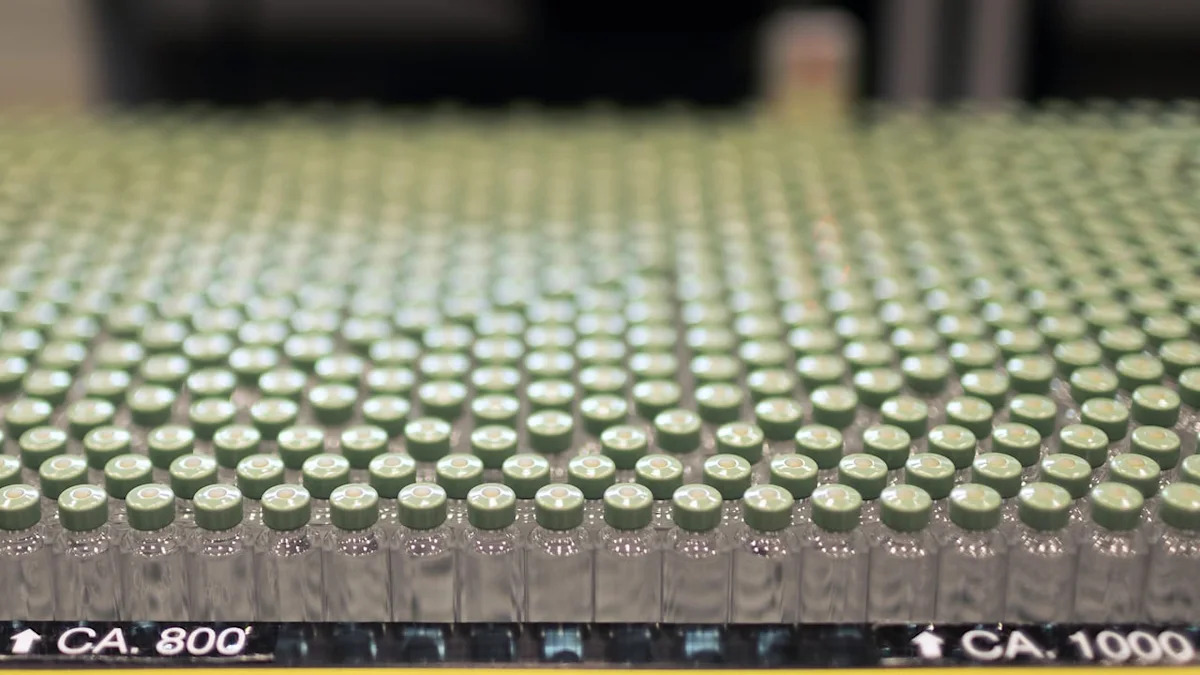
A compounded drug is a medication that a pharmacy tailors for an individual patient, adjusting elements such as flavor, potency, or how it is administered. Compounded versions, unlike their FDA-approved counterparts, lack the established evidence of safety, efficacy, and manufacturing consistency that regulators require
Advertisement
Compounded semaglutide carries a side-effect profile that largely mirrors what patients experience with brand-name products like Ozempic and Wegovy, experts say. But the absence of FDA oversight may expose patients to additional safety and effectiveness risks
Dr. Michael Blyumin of Stanford Medicine said patients ask about compounded drugs because of cost and access concerns. “But I advise against it; there are a lot of potential problems that they pose,” he said
Without insurance or discounts, FDA-approved GLP-1 drugs carry a sticker price that can top $1,000 a month. Existing patent rights are projected to block any generic semaglutide from reaching American consumers before 2032. Those cost barriers helped drive demand for compounded alternatives, which became widely available during shortages of FDA-approved products
Survey data from two years ago showed that close to a third of Americans who used a GLP-1 drug were getting it through a compounding pharmacy
Advertisement
Dr. Blyumin noted that patients may be unaware of lower-cost options for obtaining approved medications. “I think people just assume they can’t afford these medications, but there are options they may not know about,” he said
