


 Ella Pickover
Thu, August 20, 2026 at 11:01 PM UTC
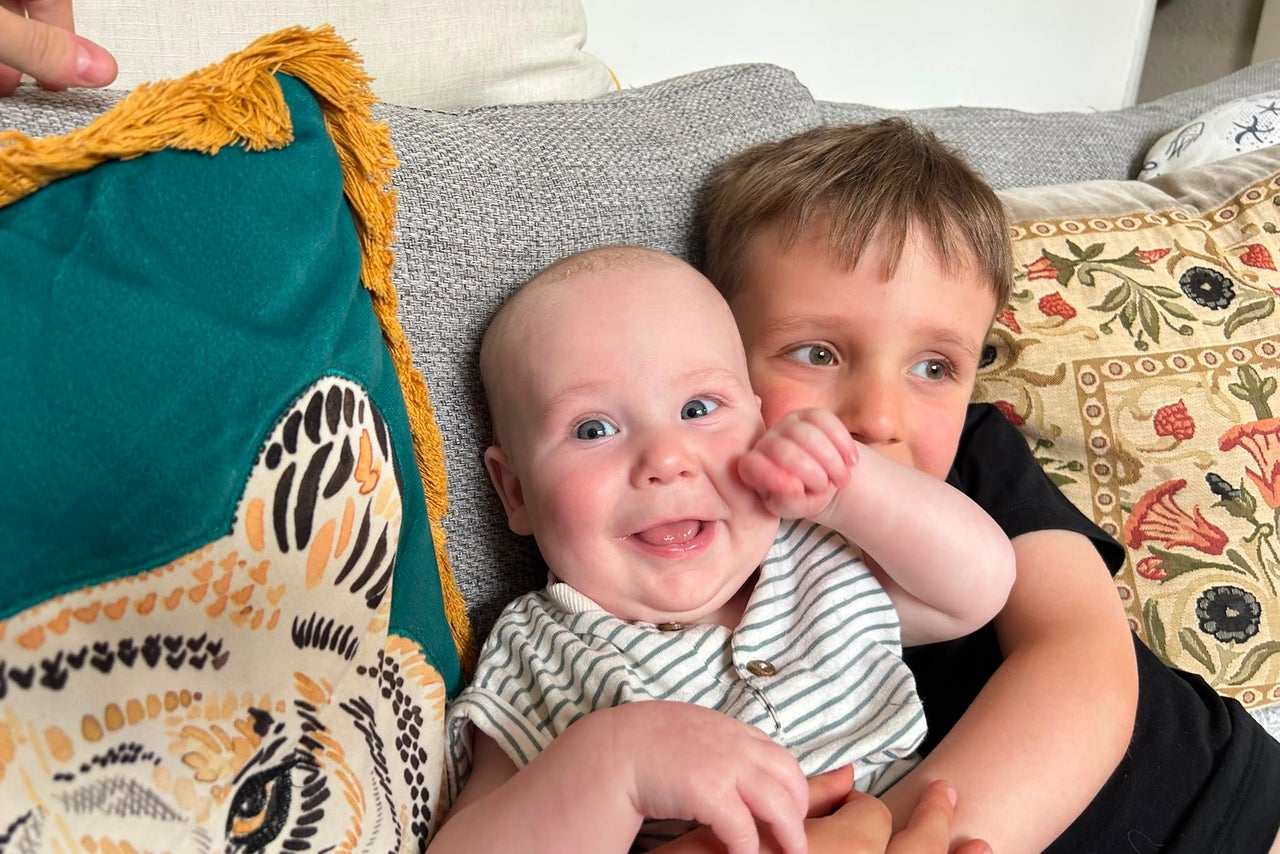
Two brothers were found to have a genetic change linked to a rare condition after their mother signed them up for a study because she was “bored”
Most children are only diagnosed with adrenoleukodystrophy, also known as ALD, when symptoms appear, and treatment options have become limited
Revan and Thorin Barker-Roe are being closely monitored by doctors who will be able to intervene early if symptoms appear, which should mean they avoid life-limiting complications of ALD
The genetic change was only detected because Jessica Barker-Roe signed up to take part in a research study which is screening 100,000 newborn babies in England for dozens of genetic conditions
The Generation Study, led by Genomics England in partnership with NHS England, will provide evidence on whether widespread use of the screening tool should be used in the NHS
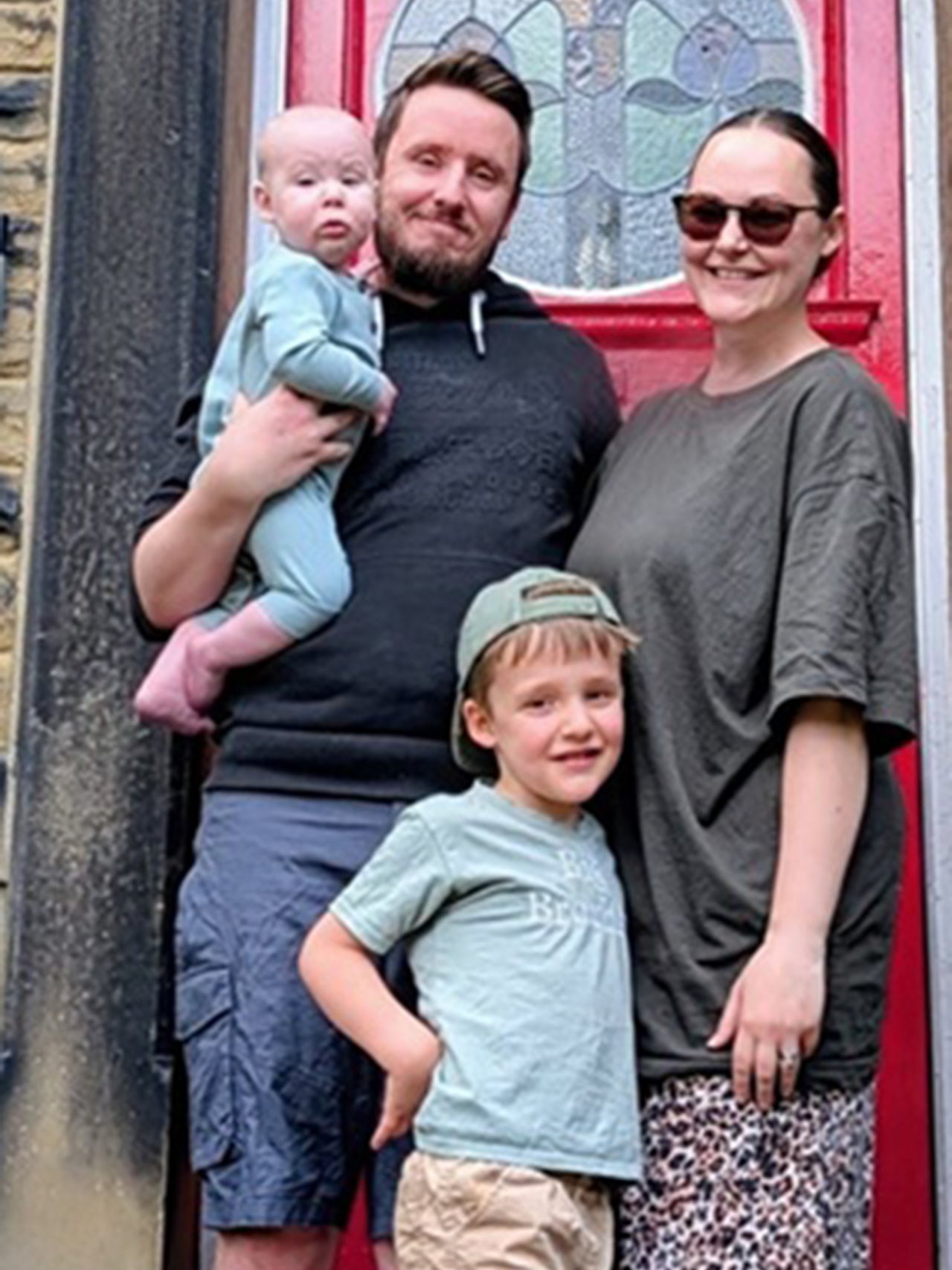
Mrs Barker-Roe, 32, from West Yorkshire, first heard about the study during a long stint in hospital while pregnant with Revan, who is now eight months old
“The research midwives were just making their way around and chatting to patients; they asked me if I would be interested in signing up to the Generation Study,” she said
“Honestly I was just bored so I said, ‘Yeah, whatever’ and put it to the back of my mind.”
The test involved a heel prick test on Revan, and it revealed he had the genetic change associated with ALD – a progressive condition which causes problems with vision, movement and understanding as well as adrenal problems
Doctors also requested to test Revan’s brother, Thorin, now aged four
“That happened really quickly because symptoms start around four years old, and once symptoms start it is really hard to treat it,” Mrs Barker-Roe said
These tests revealed Thorin also has the gene change associated with ALD
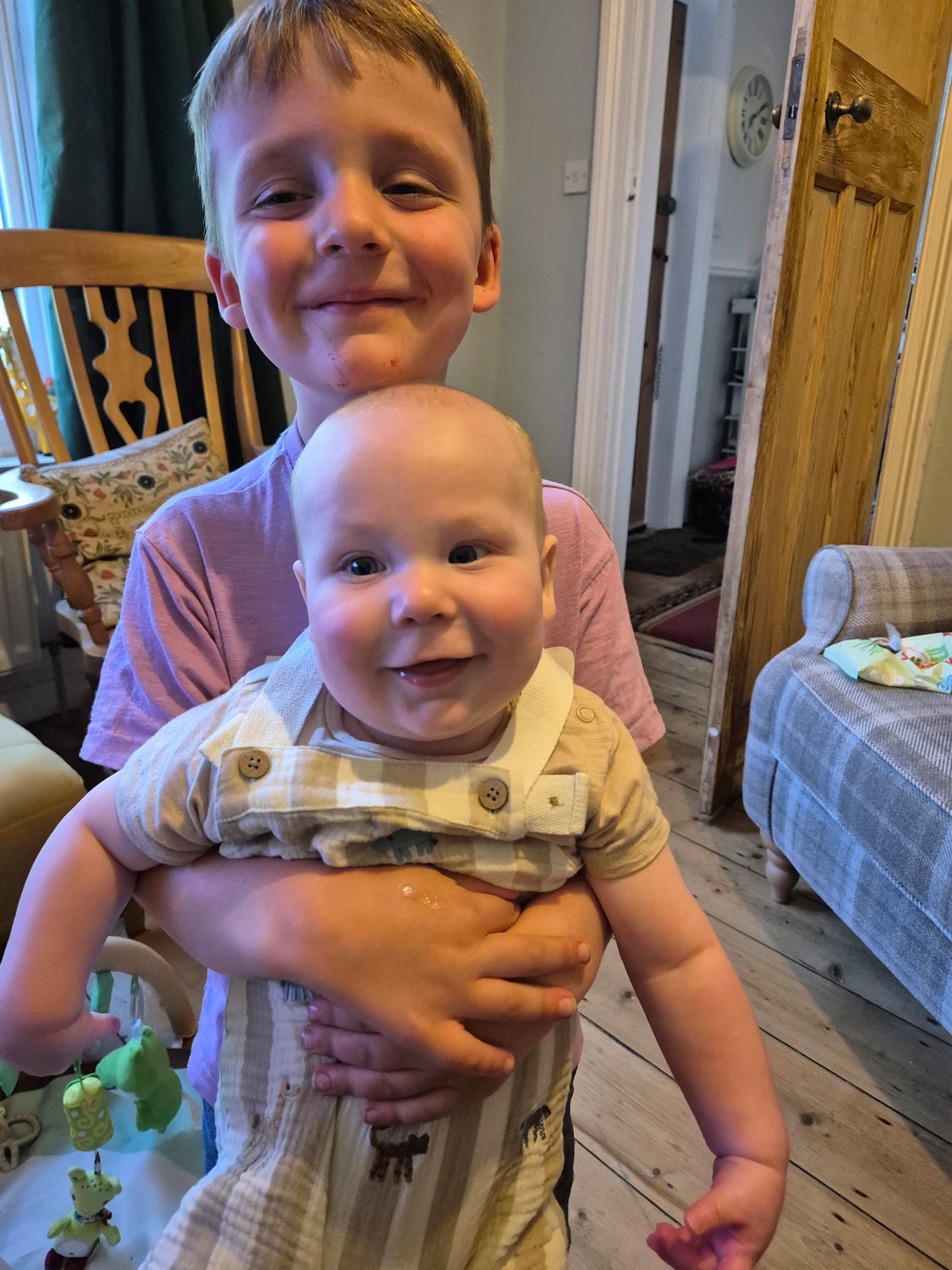
While having the genetic change does not necessarily lead to ALD, it does mean the boys can be monitored because treatment for neurological symptoms associated with ALD is only possible before symptoms start. It is also important to treat adrenal symptoms from an early stage
Going forward, the boys will have MRI scans every six months until they are about 12 years old and blood tests to assess their adrenal glands
Mrs Barker-Roe added: “I feel so lucky; instead of feeling worried, I feel so ridiculously lucky that we timed having a baby when the Generation Study was out there as an option and I was in hospital at a time when it was being offered by the research midwives because I had not heard of it
“If I hadn’t had that bleeding I wouldn’t have been in hospital, we probably wouldn’t have signed up for it and the first we would have known about it was when one of the boys got ill.”
Their father, Dominic Barker-Roe, 36, added: “We are now in a position where it’s surveillance and, if it does occur, the worst thing that could happen is surgery and a bone marrow transplant – yes, it comes with risk, but it’s far less risky than the alternative.”
The research project is available at more than 70 hospitals in England
The study will help identify more than 200 rare conditions which cause a progressive loss of physical and mental skills
By detecting these rare genetic conditions sooner, experts say hundreds of children could benefit from earlier diagnosis and treatment could help slow progression of the disease or extend their lives. At the moment, these conditions can be hard to diagnose, leading to delays in care.
Whole genome sequencing provides a readout of a person’s entire genetic code and looks for changes that relate to specific health conditions
The Generation Study, which was launched in 2024, screens for these conditions in babies who appear healthy but whose symptoms may not become apparent until later in life
The study will generate evidence on whether and how whole genome sequencing should be offered to every baby as part of screening for rare genetic conditions at birth, alongside the existing heel prick test – which looks for 10 rare but serious conditions
So far, more than 85,000 families have joined the study and more than 200 “condition suspected” results have been returned by Genomics England to the NHS for confirmatory testing
What is adrenoleukodystrophy (ALD)?
Great Ormond Street Hospital for Children
Adrenoleukodystrophy (ALD) is a rare inherited disorder that can affect the adrenal glands, causing “adrenal insufficiency”, as well as the nerves of the spinal cord (called “adrenomyeloneuropathy (AMN)”), and sometimes affecting the white matter of the brain as well (cerebral adrenoleukodystrophy (cALD)
Professor Rich Scott, chief executive at Genomics England, said: “We are really pleased that the Generation Study has helped Revan’s family receive an early result for both of their children
“This is exactly the kind of evidence the study is designed to build, showing how whole genome sequencing at birth could support earlier diagnosis, earlier care and better understanding of rare genetic conditions.”
Dr Catriona Firth, consultant neonatologist at Bradford Teaching Hospitals NHS Foundation Trust, said: “Early detection has given Revan and his family the best possible start
“Identifying this genetic change meant we were able to refer to the specialists in this rare condition straight away. Through discussion with the experts, the family have been made aware of the implications of the test result
“Signs and symptoms of ALD are non-specific, so the disorder usually takes time to diagnose even after concerns arise. The Generation Study test result means both boys can be monitored, so if there are signs of change, treatment can be started straight away.”
Professor Dame Sue Hill, chief scientific officer at NHS England, said: “By bringing genomic research and routine NHS care together, we can help families get answers sooner while building the evidence for how genomics could improve newborn care in the future.”
Health minister James Frith said: “I am relieved for Revan, Thorin and their parents that the gene for ALD was picked up early thanks to this study, and that care has now been put in place
“I am grateful to the scientists who have led this work in the UK, and reinforced the potential of genomic medicine to catch serious conditions at the earliest possible opportunity.”
