


Getting your Trinity Audio player ready…
America’s seniors feel the squeeze of rising household costs, including healthcare. A recent AARP poll shows more than 75% of Americans 65 and older worry about rising health costs
Candidates in tight Congressional races should recognize the opportunity to lead on healthcare cost-cutting policies to sway swing voters – especially seniors who outvote the youngest Americans by 2-1 – by leading on policies that lower healthcare costs and taxes
A prime place to start is rooting out the rampant waste, fraud, and abuse in Medicare Advantage, the program offering private health insurance plans to Medicare beneficiaries. Under Medicare Advantage, insurance companies negotiate prices directly with healthcare providers, forcing the government to accept inflated reimbursement claims. Estimates show that Medicare Advantage overpayments could cost taxpayers up to $1.3 trillion over the next decade, enough to write every American a check for roughly $3,500.
Supporting policies that address Medicare Advantage fraud is both smart policy and smart politics. It would act as a lever to lower taxes and healthcare costs for Americans worried about rising costs. It would also help protect the long-term health of Medicare Advantage, which is more popular than traditional Medicare plans. Participants like that Medicare Advantage plans come with more choice; enhanced benefits, such as dental, vision, and hearing; a limit on annual out-of-pocket costs for most services; and low or zero premiums.
But its current incentive structure, where the government pays a fixed monthly fee to insurance companies per enrollee, encourages insurers to “upcode,” or overstate an enrollee’s health issues for greater compensation. And insurers, not the Centers for Medicare & Medicaid Services, negotiate prices directly with providers. Taxpayers ultimately fund the negotiated prices insurers agree to – even when those prices far exceed market rates
The fraud starts when patients enroll in Medicare Advantage plans. Insurers assign them a “risk score” based on a patient’s pre-existing conditions and overall health to determine how much they charge the government
Insurers often exaggerate these risk scores to reap larger reimbursements. Many go even further, altering doctors’ diagnoses so they can charge the government more
This fraud can also create devastating downstream effects for seniors seeking care. When insurers inflate or manipulate diagnoses to secure higher Medicare Advantage reimbursements, those medical codes can later shape automated coverage decisions. As insurers increasingly rely on algorithm-based systems to process claims, inconsistencies between medical coding and physician documentation can trigger denials of care
A ProPublica investigation found Cigna used an algorithmic review system that routinely denied claims when medical codes did not align precisely with physicians’ diagnoses, raising concerns flawed or inflated coding practices can ultimately be used against patients themselves
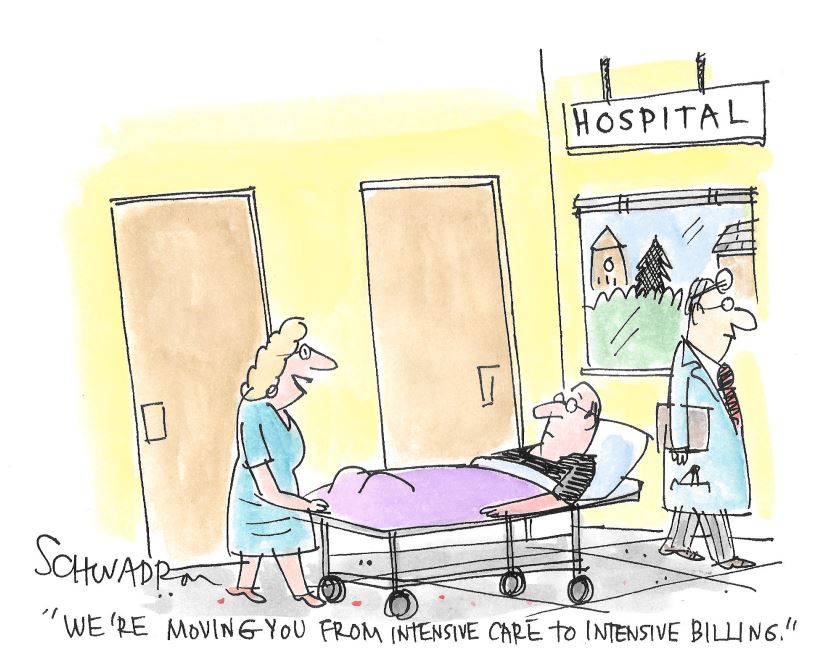
Medicare Advantage fraud also increases costs for all Americans, not just seniors. As insurers game the system and overcharge patients, Medicare spends more, causing government healthcare costs to skyrocket. Eventually, these public-sector costs trickle down to consumers, driving up prices on the private insurance market
The government knows these practices are illegal, and they’ve been aggressive in pursuing legal action against insurers who game the system. The Department of Justice is continuing to do so with new cases against insurers like Elevance Health, who made over $100 million over four years from inaccurate, outdated diagnosis codes
Instead, we need reforms that stop, rather than incentivize, Medicare Advantage fraud before it happens. There is an imminent opportunity for Congress to do so, by supporting the No UPCODE Act, which would crack down on the inflated diagnoses, saving taxpayers billions by eliminating incentives for insurers to overcharge Medicare
Candidates looking to win over cost-conscious voters – especially seniors – should recognize that tackling Medicare Advantage fraud is both fiscally responsible and politically compelling. Voters are tired of watching healthcare costs rise while insurers exploit loopholes that waste taxpayer dollars and undermine patient care
Supporting reforms like the No UPCODE Act would show voters that lawmakers are willing to take on powerful interests, protect Medicare Advantage’s long-term sustainability, and lower costs. In an election cycle defined by economic anxiety, candidates who lead on healthcare affordability and government accountability could find a powerful message for swing voters looking for someone willing to confront waste, fraud, and abuse head-on
Charles Sauer’s column is distributed by Cagle Cartoons newspaper syndicate
