



Deprescribing: The long road off antidepressants
A growing movement is challenging how antidepressants are prescribed and stopped
Serena Solomon<a href="https://healthylife7.com/im-a-lifestyle-writer-5-health-habits-research-actually-made-me-change/” title=”I'm A Lifestyle Writer – 5 Health Habits Research Actually Made Me Change”>Lifestyle journalist
25 August 2026
9 min read
Serena SolomonLifestyle journalist
25 August 2026
9 min read
Caption:Cole Robertson uses his YouTube channel to speak about his experience with deprescribing from antidepressants.Photo credit:RNZ / Marika Khabazi
Warning: this story discusses mental health and the experiences of some people. Please talk to your own GP or medical provider before going on, or coming off, medication
Sue Purdie has a daily ritual that has been part of her life for more than six months
Each morning, the 64-year-old gets out her pill cutter and her pharmacist scale, a highly sensitive scale more at home in a laboratory than a Christchurch apartment. She gets to work weighing a specific dose of Venlafaxine, a common antidepressant prescribed in New Zealand. She decreases that dose by 10 percent of the previous dose every three weeks, in the hopes of avoiding common deprescribing side effects of nausea, dizziness and the infamous “brain zaps”
Purdie is partway through what will likely be a three-year journey to deprescribe from Venlafaxine, which she has taken for about 30 years along with a mix of medications that target anxiety, insomnia and symptoms of bipolar disorder (although she doesn’t have bipolar). She has already weaned herself off Priadel, a mood stabiliser
“I just felt I didn’t need them. And I haven’t needed them. You know, my life is good. I’m happy, and I just don’t need them,” says Purdie, adding that the circumstances that led her to use them are no longer present. Negative thought patterns and unresolved trauma were rejigged through therapy long ago
Purdie is part of a growing international movement of people deprescribing, also called tapering, from antidepressant medication. While Purdie is doing so under the care of a psychiatrist, many others are taking a DIY (and cheaper) approach, attempting to navigate a sometimes-perilous journey by using internet forums, books, podcasts and now deprescribing coaches
The push to deprescribe was largely patient-driven for over two decades. Key to their argument is that they were “parked” on the medication for far longer than necessary and than research studies prove is safe. Now, a major medical body in the USas well as some medical professionals in New Zealand are acknowledging a system that is great at prescribing antidepressants, but neglects highlighting an off-ramp to growing numbers of people on the medications
“The drugs were never designed for long-term use,” says Professor Katharine Wallis from the University of Queensland. Wallis is a former New Zealand GP who developedthe RELEASE guidelines, a reramework for tapering off antidepressants
In Australia, the average time a person takes antidepressants is about four years.Clinical guidelines only support taking them for six to 12 months for “a single episode of major depression”, says Wallis, adding that a growing body of research points to adverse effects with long-term use
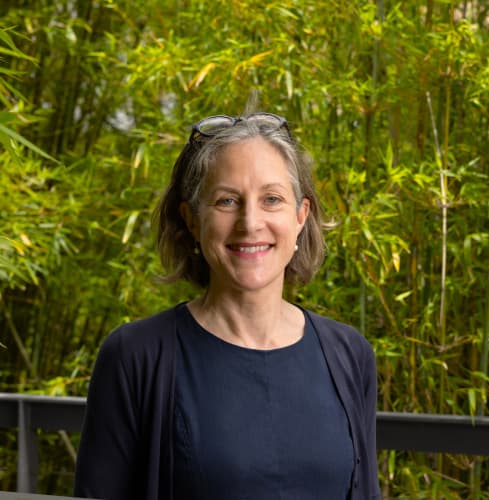
The deprescribing conversation is for those “who no longer need them”, says Wallis
“I don’t think we should just, you know, tell everyone to suddenly stop these medications, because we know that that can be very dangerous for some people.”
Cole Robertson, 39, started his antidepressant journey when he was 17 after he tore his ACL playing rugby, essentially ending a dream of a professional sporting career. Like many New Zealanders, he was prescribed an antidepressant through his GP in a typical 15-minute consultation. It helped lift his dark mood, but after a few years he began to ponder whether it also lowered his ability to experience happiness. His emotional scale felt cinched: not that sad, but not that joyful either
Another doctor switched him to a different antidepressant, says Robertson. It worsened his mental health. In 2017, after 12 years on different antidepressants, a chiropractor told him to stop the medication cold turkey, and so he did
“I wouldn’t wish my worst enemy through it. I lost my mind.”
The longer a patient is on antidepressants, the more challenging deprescribing is and the slower it should be done, according to a 2025 study that compared those who discontinued medications after two years versus users of six months or less
Often, those deprescribing symptoms can lead doctors and patients to assume the patient has relapsed into depression, with long-term use as the answer, says Wallis
Within nine months, Robertson, who lives in Auckland, went back on the medications before eventually tapering off slowly over three years, using information gleaned from Surviving Antidepressants, an online forum largely credited for popularising deprescribing. He started sharing his story on his YouTube channeland hopes to become a deprescribing coach if and when he fully recovers from damage he says was caused by the medication
“If I could go back in time, I wish I was given proper informed consent
“I wish that my doctor said, ‘Hey Cole, these drugs are only trialled for a short time. Let’s put you on them for a few months… We want to numb the emotions. We want to work on your trauma. We want to work on why you’re feeling the way you do
“‘Then, we are going to slowly take you off’.’”
About 15 percent of antidepressant users will get discontinuation symptoms, says Professor Richard Porter, a psychiatrist at the University of Otago, who also has a clinical practice
Porter advises reducing the dose over three or four weeks, “but some people are very sensitive and need longer.”
Some corners of the deprescribing movement frame antidepressants as addictive, including US health secretary Robert F. Kennedy Jr., who compared coming off antidepressants to heroin withdrawal
“There are some physiological symptoms related to the systems resetting as you come off them, but [antidepressants are] not addictive,” says Porter
As deprescribing patients get to lower doses, the process can become more problematic, he adds. So, as they get closer to zero milligrams, the smaller the dosage changes should be
For those who are considering coming off antidepressants, patients should seek “informed support,” which can include a GP, says Dr David Codyre, from the New Zealand branch of the Royal Australian and New Zealand College of Psychiatrists. He also supports GPs when patients present with psychiatric issues
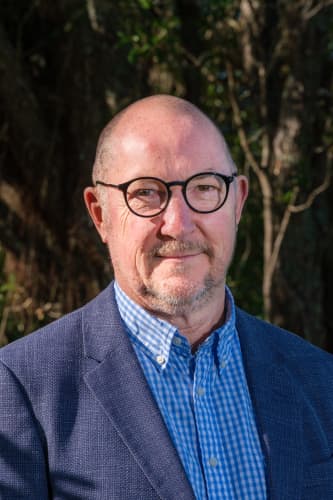
People can up their chances of success by lifestyle changes including healthy eating, exercise, social support and connection, and seeking mental health support, even if that is through a low-cost e-therapy tool, says Codyre
When Sarah C, 36, told her GP in Mount Maunganui that she wanted to get off her antidepressant after a year, the doctor told her it was fine to stop immediately. However, Sarah had seen conversations online about deprescribing slowly, which aligned with her logic about the medication. Some people she came across in the deprescribe arena were anti-medication in general, but many, like Sarah, saw the benefits of short-term use
“I started by chopping off a teeny tiny corner of the pill, staying there for a week, seeing how I felt and then going tinier and tinier until I had like a crumb of a pill to take
“I wanted to make sure I was really stable until tapering down further.”
Where to get help
Help
- Need to Talk? Free call or text 1737 any time to speak to a trained counsellor, for any reason.
- Lifeline: 0800 543 354 or text HELP to 4357.
- Suicide Crisis Helpline: 0508 828 865 / 0508 TAUTOKO. This is a service for people who may be thinking about suicide, or those who are concerned about family or friends.
- Depression Helpline: 0800 111 757 or text 4202.
- Samaritans: 0800 726 666.
- Youthline: 0800 376 633 or text 234 or email talk@youthline.co.nz.
- What’s Up: 0800 WHATSUP / 0800 9428 787. This is free counselling for 5 to 19-year-olds.
- Asian Family Services: 0800 862 342 or text 832. Languages spoken: Mandarin, Cantonese, Korean, Vietnamese, Thai, Japanese, Hindi, Gujarati, Marathi, and English.
- Rural Support Trust Helpline: 0800 787 254.
- Healthline: 0800 611 116.
- Rainbow Youth: 09 376 4155.
- OUTLine: 0800 688 5463.
- Eating Disorders Carer Support NZ: Also on Facebook.
If it is an emergency and you feel like you or someone else is at risk, call 111
25 August 2026
