


Health officials still don’t know thean cause relentless watery diarrhea that has sickened about 1,700 people in more than two dozen states, including New York, since mid-May
The CDC has confirmed outbreak cases in 17 states, but state health departments have reported illnesses in more than two dozen states. The broader total includes cases that may not meet the CDC’s definition for inclusion in the multistate outbreak
At least 145 cases have been reported to the CDC, with 20 requiring hospitalization, while The Associated Press said its reporting showed about 1,700 people in 29 states have been sickened. Michigan is hardest hit, with more than 1,200 cases reported since June, including 40 who were sick enough to require hospitalization
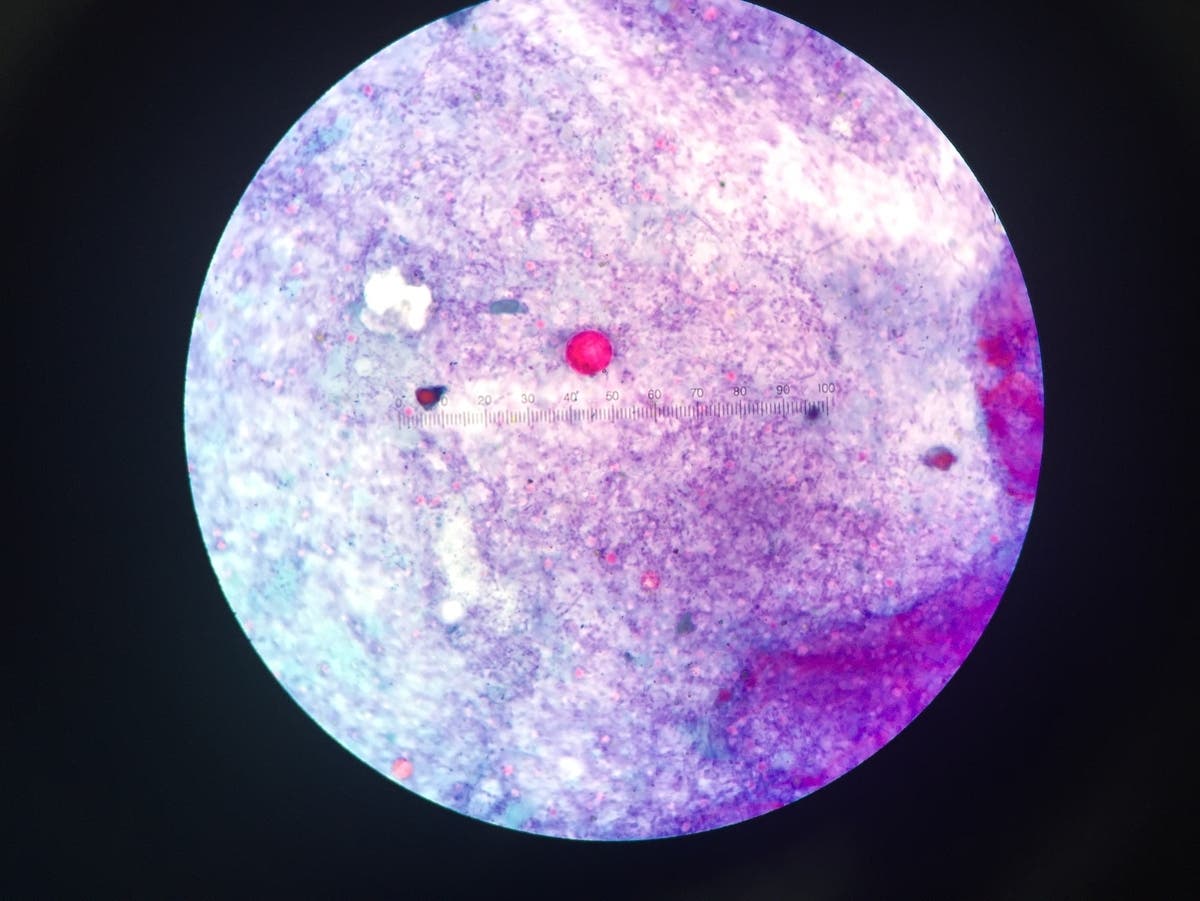
Cyclospora cayetanensis is a tiny heat-loving parasite that infects the bowels and spreads through feces. Cases typically rise in spring and summer. The cyclosporiasis season runs from May 1 through Aug. 31
The intestinal parasite is capable of causing prolonged and sometimes explosive diarrhea, which is appearing at an unusually high level this summer
According to a Northwell Health infectious disease specialist, Long Island residents should take persistent symptoms seriously
“Most summers we see some of these cases, but this is really different,” Dr. Bruce Hirsch, a Northwell Health infectious disease physician and associate professor of medicine at the Donald and Barbara Zucker School of Medicine at Hofstra/Northwell, told Patch
Hirsch said Cyclospora infections commonly appear during warmer months, but the current increase is geographically broader than what doctors generally see. The absence of a clearly identifiednd for health officials to remove a contaminated product from circulation
“One of the things that’s so disturbing about the current outbreak is that it’s taking place in over 30 states, and there’s no singleurce of it, we can avoid eating that substance. We can shut down that plant or that facility, but it seems to be kind of all over the place in our environment.”
Hirsch said cases have been reported in New York, including a small number on Long Island. He also said Northwell Laboratories had recorded positive results, though he did not have a regional case count or clinical information about the patients
There have been 17 reported cases of cyclosporiasis in Nassau County this year according to the Nassau County Department of Health
Huntington Hospital has recorded one case of cyclosporiasis this year, as health officials monitor reports of the diarrhea-causing parasitic infection across the country
The case was reported in May, according to data provided by Huntington Hospital. The patient experienced nausea, vomiting and diarrhea and was initially treated and released from the emergency department. The patient returned to the hospital three days later after the symptoms worsened
The hospital did not provide additional details about the patient’s treatment, condition after the second visit or possible
Huntington Hospital recorded three cyclosporiasis cases during all of 2025. Hospital officials said they have not identified any trend at this time
The hospital’s Infection Prevention Department continues to monitor for cases and reports them to the Suffolk County Department of Health Services, officials said
The New York State Department of Health describes Cyclospora as a microscopic parasite that affects the intestinal tract. People become infected after eating food or drinking water contaminated with the parasite. Direct transmission from one person to another is considered unlikely
Previous U.S. outbreaks have been associated with fresh produce, including cilantro, salad mix, basil, snow peas and raspberries, according to the department
Hirsch said the parasite lives and reproduces inside the human intestinal tract. It is passed through stool but generally must remain in the environment for several days before becoming infectious, which helps explain why immediate person-to-person transmission is uncommon
Once infectious, the parasite can contaminate water and food exposed to that water. Hirsch said fresh fruits, herbs and vegetables are of particular concern because many are eaten raw and some have surfaces that are difficult to clean thoroughly
Produce such as raspberries and blackberries may pose a cleaning challenge because their uneven surfaces contain crevices where contamination can remain, he said. Leafy vegetables and prepared salad mixtures have also been connected to previous outbreaks
“Washing produce with water is recommended, but it’s not 100 percent effective,” Hirsch said. “These bugs are hard to remove from a lot of the foods.”
Washing can still reduce the amount of contamination and should not be skipped, Hirsch said. He recommended thoroughly rinsing fruits and vegetables and practicing careful hand hygiene after using the bathroom and before preparing food for others
The New York State Department of Health recommends rinsing fresh produce under running water before eating, cutting or cooking it. Firm produce, including cucumbers and melons, should be scrubbed with a clean produce brush, while damaged or bruised portions should be removed
Hirsch said he would personally consider avoiding certain prepared salads while investigators search for ad during the interview
“Some of the salad mixes, the pre-prepared cut-up salads and vegetables, particularly lettuce, might be something that I would avoid under these particular circumstances,” he said. “We just want to be as careful as possible.”
Many infected people may experience no symptoms, Hirsch said. Those who become ill can develop abdominal cramps, nausea and a low-grade fever, but the most distinctive symptom is persistent watery diarrhea
“What’s really remarkable about Cyclospora is it has the capability of causing diarrhea, bad diarrhea, explosive diarrhea, and many people will get over the diarrhea fairly quickly,” Hirsch said. “But some people have a prolonged illness with Cyclospora and infections lasting two weeks, three weeks is not uncommon.”
The state Health Department says symptoms generally begin about one week after someone consumes contaminated food or water, though they can appear in as little as two days or take as long as two weeks. Other symptoms may include appetite loss, weight loss, stomach cramps, muscle aches, nausea, vomiting and fatigue
Symptoms may last for a few days, a month or longer. They may also seem to disappear before returning during the same infection, the department said
Hirsch said infants, older adults and people with compromised immune systems face the greatest risk of serious or prolonged illness. That includes organ-transplant recipients and others who take medication to suppress their immune systems
Dehydration can also become dangerous for people with underlying medical conditions, including those who take medication for high blood pressure or congestive heart failure. Hirsch said people with continuing diarrhea should contact a health care provider promptly rather than assuming they have a passing stomach bug
The urgency can depend on the patient’s age, overall health and ability to replace lost fluids, he said. A healthy young adult may initially tolerate the fluid loss better than an elderly or medically vulnerable person, but persistent diarrhea warrants medical attention
“We have good tests for Cyclospora,” Hirsch said, explaining newer stool tests can look for genetic evidence of the parasite and are more sensitive than older testing methods that relied primarily on microscopic examination. “We have good tests. We have good treatment.”
The New York State Department of Health identifies trimethoprim-sulfamethoxazole, also known by the brand names Bactrim, Septra or Cotrim, as the recommended treatment. People experiencing diarrhea should also rest and drink plenty of fluids
Hirsch said patients with weakened immune systems may need longer treatment than otherwise healthy people. Anyone who cannot take the first-line antibiotic should discuss alternatives with a doctor rather than trying to treat the infection independently
Although Cyclospora is not generally transmitted immediately between people, Hirsch said identifying and treating the infection remains especially important when a patient lives with someone who is elderly, medically fragile or immunocompromised
He also noted that the parasite is relatively resistant to chlorine, meaning chlorination should not be assumed to eliminate it as readily as it controls some bacteria and viruses. Water and food exposed to contaminated water remain the two primary environmental transmission routes, he said
Hirsch raised the possibility that warming environmental conditions could be helping the parasite survive for longer periods. He presented that as a possible contributor rather than a confirmed explanation for the current increase
“The parasite survives in warmer environments much more effectively, and so this is yet another impact of our changing environment,” he said
Hirsch said persistent diarrhea combined with summer heat can quickly increase the risk of dehydration, particularly for children, older adults and people with chronic health conditions
“Stay hydrated — it is hot out there,” Hirsch said. “Dehydration is a problem without having infectious diarrhea. And if you have an infectious diarrhea, the hydration aspect is really the most important thing. And wash hands, please.”
Below are seven things New York residents need to know
1. Why Is The Cause So Elusive?
Cyclospora surges can be tricky to investigate, and the clearly a linked outbreak happening right now,” Dr. Natasha Bagdasarian, Michigan’s chief medical executive, told The Associated Press
Comprehensive data on cyclospora outbreaks is lacking. But available information shows only a small number of documented outbreaks in the last 20 years have surpassed 1,000 cases. That short list includes a 1997 outbreak tied to Guatemalan raspberries that sickened more than 1,000 in the U.S. and Canada, and a 2019 outbreak linked to Mexican basil that sickened more than 2,400
There are several reasons it’s challenging to know the exact toll, Melanie Firestone, a University of Minnesota foodborne illness researcher, told the AP. Some tests used to check for types of food poisoning are not geared to detect cyclospora, “so there is a lot of underreporting when it comes to this,” she said
Other challenges: Technicians aren’t able to grow the parasite in labs, making it hard to draw evidence from contaminated produce. And it can be hard to figure out what food sick people had in common, because sometimes it’s a single ingredient that might be common in multiple recipes — like basil or cilantro
Also, it’s possible that food distributors may channel contaminated foods to both grocery stores and restaurants, making it hard to discern where tainted food came from. Investigations can take months and sometimes never find a clear source
2. Why Hasn’t Anything Been Recalled?
No recall has been issued because investigators still haven’t identified the food responsible for the outbreak
Unlike outbreaks linked to a single packaged product, cyclospora outbreaks often involve fresh produce with a relatively short shelf life. By the time illnesses are reported, patients are interviewed, laboratory testing is completed and investigators identify foods people ate weeks earlier, the suspected produce is often no longer in stores or restaurants
That’s one reason cyclospora investigations can take months and sometimes end without a definitive answer. Until a specificoiding any particular fruit or vegetable beyond routine food-safety precautions
3. How Is It Spread?
Because cyclospora requires a one- to two-week period outside the body before it becomes infectious, food handlers who are infected are generally not considered the primary
That’s different from pathogens such as norovirus or hepatitis A, which can spread directly from an infected food worker to ready-to-eat foods. With cyclospora, investigators often look upstream in the growing and processing chain, especially at water quality and sanitation
That doesn’t necessarily mean someone relieved themselves in a field. Public health experts say contamination is more commonly associated with human sewage entering water supplies used to irrigate or wash crops, particularly in areas with inadequate sanitation or wastewater treatment
It can also be spread by swimming in contaminated water. That includes not only lakes, but also chlorinated swimming pools and hot tubs. The parasite can survive chlorinated pool water for a long time, according to the Cleveland Clinic
There have been links between some kinds of fresh produce and cyclosporiasis outbreaks. It may occur if you use contaminated water to grow or wash produce. Using poop to fertilize produce is also a risk
4. Who’s Getting Sick?
According to the CDC, the 145 individuals identified in the current domestic tally range in age from 5 to 86 years old. With a median age of 42, approximately 61 percent of those affected are female
The Cleveland Clinic describes the diarrhea caused by the infection as “explosive” and said it can last for months if it isn’t treated
Other symptoms include loss of appetite, weight loss, stomach cramps, bloating, gas, nausea, fatigue and, occasionally, vomiting or low-grade fever, according to the CDC
Additionally, officials have tracked 45 cases involving international travelers who contracted the illness from contaminated food or water while abroad. While three of those patients required hospitalization, no fatalities have been linked to the outbreak
Cyclosporiasis symptoms may be more severe in people with a weakened immune system
5. Is The Parasite Mutating?
There’s no evidence that the parasite has evolved to become more infectious, Dianna Blau, the CDC’s acting parasitic diseases branch chief, told the AP
Thousands of cyclospora illnesses are reported in the U.S. each year, and it’s not yet clear how unusual this year will be, she added. That said, the case total so far is four times higher than at the same point last year, according to current CDC national data, which lags dramatically from what’s being reported by the states
It’s less common than a number of other kinds of foodborne illnesses, including salmonella and E. coli. For years, few U.S. cyclospora outbreaks were reported each year. But the number started rising about a decade ago, with a particularly notable spike in 2018 and 2019. Experts attribute the increases to climate change and better detection
6. Does Parasite Stay In Body?
Unlike some parasites that can remain in the body for years, Cyclospora cayetanensis infects the lining of the small intestine and is typically cleared with appropriate antibiotic treatment — Trimethoprim/sulfamethoxazole (TMP/SMX)
This treatment is typically accompanied by rest and drinking plenty of fluids to maintain proper hydration. If left untreated, the illness can drag on from a few days to more than a month, with symptoms that may go away and then return
While cyclosporiasis is generally not life-threatening, the dehydration resulting from frequent diarrhea can cause severe illness, particularly among infants, young children, the elderly, and those with weakened immune systems
7. What Should You Do?
People who have diarrhea that hasn’t gone away on its own within a few days should see a health provider and discuss the possibility of cyclospora, officials say
Fresh produce should be thoroughly washed before being eaten. But be aware that cyclospora can really stick to some foods, so washing may not eliminate the risk of infection
As Michigan officials investigate the potentialather than prewashed, bagged lettuce or salad mixes and remove the outer two to three leaves before washing the remaining leaves under running water
They also say to cook vegetables when possible
The New York State Department of Health recommends washing all fresh produce, including herbs, fruits and vegetables, under running water before eating, cutting or cooking it. Firm produce, including melons and cucumbers, should be scrubbed with a clean produce brush, and damaged or bruised areas should be cut away
Watery diarrhea is the most common symptom of cyclosporiasis and may last from a few days to a month or longer. Symptoms may go away and later return. The department says the recommended treatment is the combination antibiotic trimethoprim-sulfamethoxazole, also known as Bactrim, Septra or Cotrim
The Associated Press contributed to this report
