

Close Menu
healthylife7.comhealthylife7.com

    Subscribe to Updates

    Get the latest creative news from FooBar about art, design and business.

    What's Hot

    Meghan Markle to Return to Britain With Lifestyle Brand, but No Royal Dress Code

    August 20, 2026

    WHO and Africa CDC welcome the allocation of Ebola vaccines to the Democratic Republic of the Congo

    August 20, 2026

    Your Workout Wardrobe Could Use a Fall Pick-Me

    August 20, 2026
    Facebook X (Twitter) Instagram
    Trending
    • Meghan Markle to Return to Britain With Lifestyle Brand, but No Royal Dress Code
    • WHO and Africa CDC welcome the allocation of Ebola vaccines to the Democratic Republic of the Congo
    • Your Workout Wardrobe Could Use a Fall Pick-Me
    • Massive Study Links The Time You Eat Breakfast to How Long You’ll Live
    • Targeted Care connects patients to right mental health support at right time
    • See Mike & Molly star Billy Gardell’s incredible weight loss transformation through the years as he turns 57
    • Enhancing resilience, flexibility, and well-being through cognitive-emotional training: behavioral and neural evidence
    • Making Peace, Not War, With Infections
    Facebook X (Twitter) Instagram
    healthylife7.comhealthylife7.com
    • Home
    • Fitness
    • Health
    • Nutrition
    • Lifestyle
    • Conditions
    • Mental Health
    • Weight Loss
    • Wellness Tips
    Thursday, August 20
    healthylife7.comhealthylife7.com
    Home»Nutrition»Massive Study Links The Time You Eat Breakfast to How Long You’ll Live
    Nutrition

    Massive Study Links The Time You Eat Breakfast to How Long You’ll Live

    healthylife7By healthylife7August 20, 2026No Comments5 Mins Read
    Facebook Twitter Pinterest LinkedIn Tumblr Reddit WhatsApp Email
    Massive Study Links The Time You Eat Breakfast to How Long You'll Live
    Share
    Facebook Twitter LinkedIn Pinterest WhatsApp Email

    Massive Study Links The Time You Eat Breakfast to How Long You’ll Live

    Health20 August 2026ByEsra Öz
    Add ScienceAlert on Google
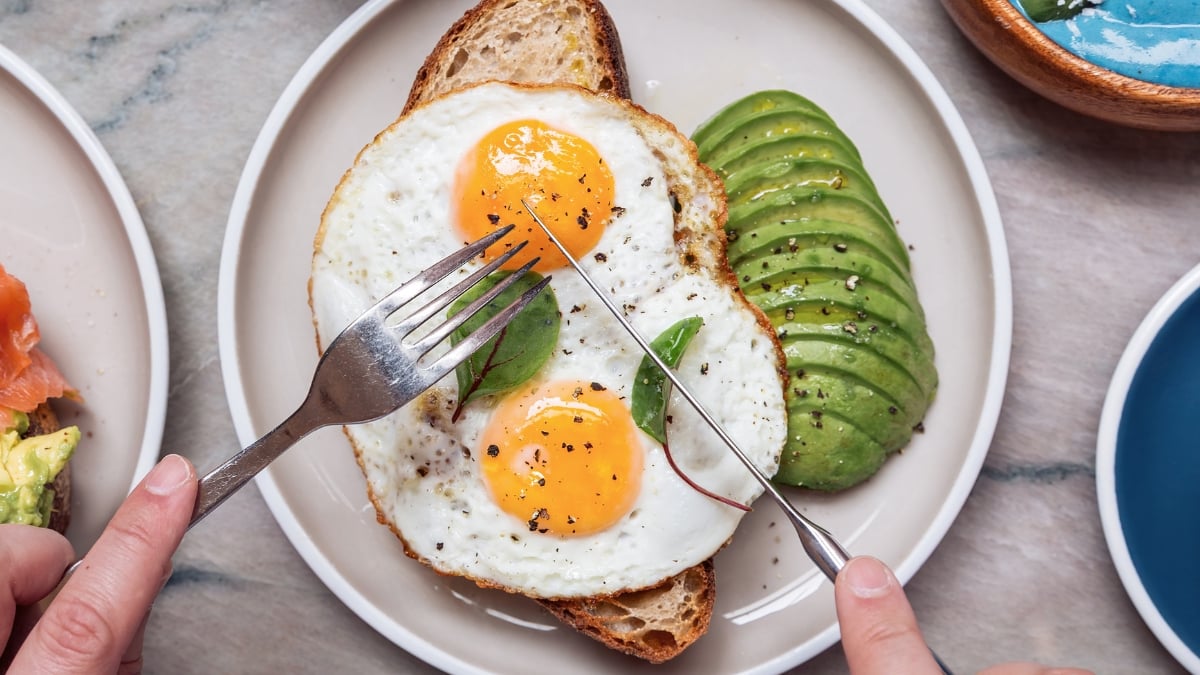
    (Alexander Spatari/Moment/Getty Images)

    Most breakfast advice focuses on what to put on your plate. But a large study of US adults suggests the clock may deserve attention, too: The time you consume your first and last calories of the day could be linked to how long you live

    The findings show an association, not proof that changing the clock changes a person’s fate. Still, they add to evidence that health may depend not only on what we eat, but when

    Earlier studies linked skipping breakfast and late-night eating with poorer health, but the risks associated with specific times remained unclear

    Researchers therefore analyzed data from 31,044 adults aged 40 and older in the US National Health and Nutrition Examination Survey between 1999 and 2018

    Participants reported everything they had eaten or drunk during the previous 24 hours, including the time of each item

    The study, published in the European Journal of Clinical Nutrition, decided that any calorie-containing food or drink consumed after 4 am could count as the “first meal,” meaning it was not necessarily a conventional sit-down breakfast

    The final caloric intake became the last meal, and the time between them became the eating window

    The team linked these records to deaths registered through the end of 2019

    During a median follow-up of 8.6 years, 7,129 participants died, including 2,259 from cardiovascular causes

    The analysis accounted for factors including age, smoking, physical activity, diet quality, body mass index, energy intake, income, and existing disease

    A pattern emerged as the first meal moved later

    Compared with eating between 7 and 8 am, a first meal between 8 and 10 am was associated with a 10 percent higher risk of death from any cause. The difference rose to 19 percent between 10 am and noon, and 29 percent after noon

    Cardiovascular mortality followed a similar trajectory

    Eating for the first time after noon was associated with a 46 percent higher risk of cardiovascular death than eating between 7 and 8 am. At age 50, the later group also had an estimated life expectancy 2.46 years shorter on average

    The day’s final meal produced a more surprising result

    Rather than risk simply rising with every later hour, the relationship was U-shaped. Compared with finishing between 7 and 8 pm, eating before 7 pm was associated with a 13 percent higher risk of death from any cause, while eating after midnight was associated with a 27 percent higher risk. The lowest modeled risk was around 8 pm

    “However, this does not mean that 7-8 pm is a universally optimal dinner time for everyone,” senior author Zhilei Shan, from Huazhong University of Science and Technology, told ScienceAlert

    Seven members of Dr. Shan's research group wearing white lab coats in a laboratory.
    Members of Dr. Shan’s research group at the School of Public Health, Huazhong University of Science and Technology. (Photo courtesy of Dr. Shan’s research group, School of Public Health, Huazhong University of Science and Technology. Used with permission.)

    Very late eating may disrupt circadian rhythms and metabolism, Shan explained. But a very early last meal could reflect schedules, illness, or lower energy intake

    Early eaters tended to be older, eat less often, and have more existing illness, so the clock may be revealing something about their health rather than causing it

    The eating window added another complication

    Once first-meal timing was considered, its length showed no consistent relationship with mortality across the whole sample. Its association instead varied according to when eating began

    That adds nuance to concerns about very short eating windows: Counting fasting hours alone may miss part of the picture

    “Meal timing is an important cue for peripheral circadian rhythms,” Shan said. “A later first meal or late-night eating may contribute to circadian misalignment and metabolic disturbances, including impaired lipid and glucose metabolism.”

    Animal studies point to possible pathways involving weight gain, fat accumulation in the liver, disrupted clocks in organs outside the brain, and altered fat absorption. Whether these mechanisms explain mortality patterns in people remains unknown

    Subscribe to ScienceAlert's free fact-checked newsletter

    Reverse causation is also possible. Late eating may be a consequence or marker of poor health, poor sleep, shift work, or socioeconomic circumstances. A previous study of older adults similarly found that breakfast shifted later as health problems accumulated

    “Therefore, later eating should be interpreted as a potential risk marker, and possibly a modifiable behavior, rather than definitive evidence of a direct causal effect,” Shan said

    The study’s biggest limitations follow from its observational design. Meal timing was primarily captured by a single 24-hour recall at the start, which may not represent years of habitual eating

    Chronotype, detailed sleep patterns, activity timing, and other unmeasured factors could still influence the results despite extensive adjustments and sensitivity analyses

    “Based on these findings alone, people should not make extreme changes to their eating schedules,” Shan said

    The study was published in the European Journal of Clinical Nutrition

    This article was fact-checked by Fiona MacDonald and edited by Fiona MacDonald. While we pride ourselves on our process, we are only human. If you spot a mistake, please let us know

    Breakfast links Massive Study time
    healthylife7
    • Website

    Related Posts

    Nestlé’s GLP-1 strategy reframes food formulation around nutrient density

    August 20, 2026

    What to eat on the DASH diet

    August 20, 2026

    Harbro Acquires Cargill Animal Nutrition’s Dalton Business | Feed Manufacturing – News and Statistics

    August 20, 2026
    Leave A Reply Cancel Reply

    Health
    Lifestyle

    Meghan Markle to Return to Britain With Lifestyle Brand, but No Royal Dress Code

    By healthylife7August 20, 20260

    As Prince Harry and Meghan Markle prepare to take up residency again in the U.K. six years after giving up their royal roles, Markle will be serving up her fashion influence and continue running her brand, As Ever.While millions around the globe are chiming in about what their surprise decision could mean to the modern…

    WHO and Africa CDC welcome the allocation of Ebola vaccines to the Democratic Republic of the Congo

    August 20, 2026

    Your Workout Wardrobe Could Use a Fall Pick-Me

    August 20, 2026

    Massive Study Links The Time You Eat Breakfast to How Long You’ll Live

    August 20, 2026
    Stay In Touch
    • Facebook
    • Twitter
    • Pinterest
    • Instagram
    • YouTube
    • Vimeo
    Fitness

    Opinion: The FDA must put biotech at its center or continue to cede early research to China

    July 6, 2026

    Inside Elevance’s digital chronic disease management strategy

    July 6, 2026

    Best, Worst States For Well

    July 6, 2026

    What do the Middle Ages tell us about mental health then and now? VCU historian Leigh Ann Craig has answers

    July 6, 2026

    Subscribe to Updates

    Get the latest creative news from SmartMag about art & design.

    About Us

    Welcome to HealthyLife7.com, your trusted source for reliable health, wellness, fitness, and lifestyle information. Our mission is to help people make informed decisions about their health by providing clear, practical, and easy-to-understand content.

    At HealthyLife7.com, we believe that good health starts with the right knowledge. Whether you're looking for healthy eating tips, fitness advice, mental wellness strategies, weight management guidance, or information about common health conditions, our goal is to deliver valuable content that supports a healthier lifestyle.

    Fitness

    Meghan Markle to Return to Britain With Lifestyle Brand, but No Royal Dress Code

    August 20, 2026

    WHO and Africa CDC welcome the allocation of Ebola vaccines to the Democratic Republic of the Congo

    August 20, 2026

    Your Workout Wardrobe Could Use a Fall Pick-Me

    August 20, 2026
    Health

    Opinion: The FDA must put biotech at its center or continue to cede early research to China

    July 6, 2026

    Inside Elevance’s digital chronic disease management strategy

    July 6, 2026

    Best, Worst States For Well

    July 6, 2026
    Facebook X (Twitter) Instagram Pinterest
    • About Us
    • Contact us
    • Disclaimer
    • Privacy Policy
    • Terms and Conditions
    © 2026 healthylife7.com. Designed by Pro.

    Type above and press Enter to search. Press Esc to cancel.