



Nestlé’s GLP-1 strategy reframes food formulation around nutrient density
Key takeaways
- GLP-1s shift the food industry focus from eating less to getting more nutrition from smaller portions.
- Protein, fiber, and nutrient density drive innovation, extending beyond GLP-1 users to wider nutrition trends.
- Nestlé is developing products for GLP-1 users, signaling growing industry interest in tailored nutritional solutions.
When GLP-1 weight loss medications first began gaining mainstream attention, the food and beverage industry was largely asking a defensive question: what happens if consumers simply eat less?
Although that concern has not disappeared entirely, two years into the GLP-1 conversation, the industry response increasingly looks less like a retreat and more like a reformulation exercise.
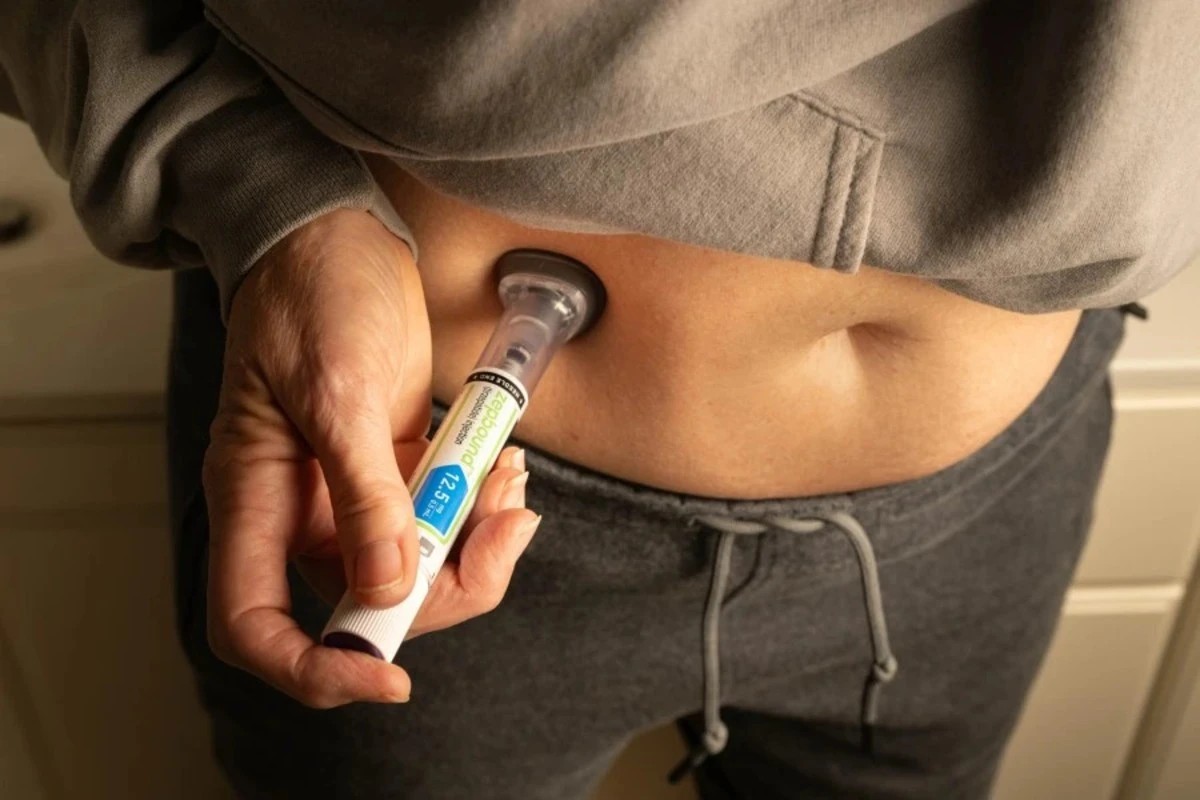
The latest signal comes from Nestlé, which is developing products specifically for people taking weight-loss drugs, such as Ozempic, Wegovy, Mounjaro, and Zepbound. The company is looking at high-protein and collagen-containing products, among other nutritional solutions, leveraging AI and nutritional science to inform development.
What makes the development particularly interesting is that Nestlé is not simply launching another product with a “GLP-1-friendly” label, or marketed toward this growing consumer base. The F&B giant is looking at the nutritional consequences of eating less — including maintaining healthy protein intake and supporting muscle health — and using technology to identify potential ingredient combinations and reformulations.
The weight loss drugs are, in part, influencing not only how food is marketed, but also how manufacturers approach product development and formulation
From eating less to getting more from food
Nestlé’s move illustrates how the conversation around GLP-1s has evolved. Rather than focusing only on potentially lower food consumption caused by suppressed appetites, manufacturers are increasingly looking at what consumers want and need from the food they do eat
Across recent industry innovation, one theme has emerged: more nutrition in fewer bites
Food Ingredients First reporting has tracked growing interest in smaller portions, protein-rich products, fiber, fortified beverages, and nutrient-dense meals.
Nestlé’s Vital Pursuit, smaller frozen meals, and restaurant concepts built around half-portions or higher-protein dishes are examples of how the shift is appearing across categories.
Protein has been particularly prominent. Dairy suppliers, ingredient companies, and brands are positioning protein as a way to help consumers make smaller eating occasions nutritionally meaningful, while fiber and digestive-health ingredients are gaining attention alongside it
Nestlé is developing protein-rich foods tailored to GLP-1 users
More nutrition per bite
Protein expansion is also where the GLP-1 opportunity begins to overlap with the wider nutrition market. High-protein and high-fiber products are not necessarily being developed exclusively for people taking medication
They can also appeal to consumers interested in weight management, active nutrition, digestive health, or simply getting more nutritional value from convenient foods. While these trends predate GLP-1s, the growing use of weight loss medications appears to be adding momentum to demand for products built around protein, fiber, and nutrient density
Recent industry discussions increasingly point toward this overlap rather than a separate “GLP-1 food” category
More nutrition, without compromising taste
The formulation challenge is becoming more nuanced as well. Recent conversations with ingredient suppliers point to questions around sweetness, texture, and sensory appeal, as products are reformulated to contain more protein and fiber, while delivering less sugar and fewer calories
Nutrient density may be the starting point, but taste remains the commercial filter. Packing more protein, fiber, and functional ingredients into a smaller format can create challenges around texture, mouthfeel, sweetness, stability, and cost
At IFT First 2026, suppliers were highlighting these technical hurdles alongside the opportunity for functional ingredients, suggesting that GLP-1-driven innovation is becoming as much a formulation challenge as a consumer trend.
A market being reshaped, not replaced
Yet it would be premature to attribute every change in consumer eating behavior to GLP-1s
Protein, fiber, gut health, portion control, and nutrient density were already established F&B trends. Rather than creating these trends from scratch, GLP-1s may be bringing them into sharper focus, particularly as consumers taking the medications look for foods that deliver greater nutritional value from smaller eating occasions
Novo Nordisk brings Wegovy to the pill form, expanding access to oral GLP-1 treatment
Different GLP-1 consumers
Another important point to consider is that there may not be one GLP-1 consumer to design for. Current users, former users, and people considering the drugs can have very different nutritional and sensory priorities.
That makes the more interesting opportunity one of precision: understanding which eating occasions, formats, and nutritional needs are actually changing, rather than treating GLP-1 use as a single consumer segment.
And the threat to overall food demand may still be smaller than some of the early headlines and consequent debates suggested. Earlier this year, an ING analysis estimated that GLP-1 use would reduce European food demand by only 0.25% in 2026, although snacks, confectionery, and alcohol could face greater exposure
That distinction matters. A relatively modest impact on total food demand can coexist with meaningful disruption within individual categories. For manufacturers, the question may therefore be less about whether consumers will eat less food overall and more about which foods become less relevant when appetite, portion size, and eating frequency change
But the implications are not limited to which foods could become less relevant. There may also be opportunities for sectors aligned with the nutritional priorities emerging around GLP-1 use
Food Ingredients First recently spoke with the UK’s Agriculture and Horticulture Development Board about how GLP-1 users prioritize nutrient-dense, protein-rich foods — trends with clear implications for red meat consumption
The next phase of the GLP-1 story, therefore, may not be about whether the drugs shrink the food market, but how much they reshape the value proposition of food itself
All content and features on this website are copyrighted with all rights reserved. The full details can be found in our privacy statement

Save in your AIChatGPTGoogle AIClaudePerplexityGrok

The new math of functional eating in the GLP-1 era: addressing texture, nutrients, and health
Register now
The No-Compromise Formula: Ensuring Superior Taste in Nutrition-Focused Formulations
Biospringer by Lesaffre
Register now

SEP
1
2026
Foodist Istanbul International Food and Beverage Products Fair
Tüyap Fair and Congress Center – Istanbul
SEP
16
2026
Fi Asia Indonesia 2026
JIExpo, Jakarta, Indonesia
OCT
12
2026
Transform Food & Agriculture Europe 2026
Amsterdam
By continuing to browse our site you agree to ourPrivacy Statement

