Disease affecting Arizona rabbits makes its return
KJZZ |
By
Ignacio Ventura
Published July 12, 2026 at 8:54 AM MST
Wirestock/Getty Images
/
iStockphoto
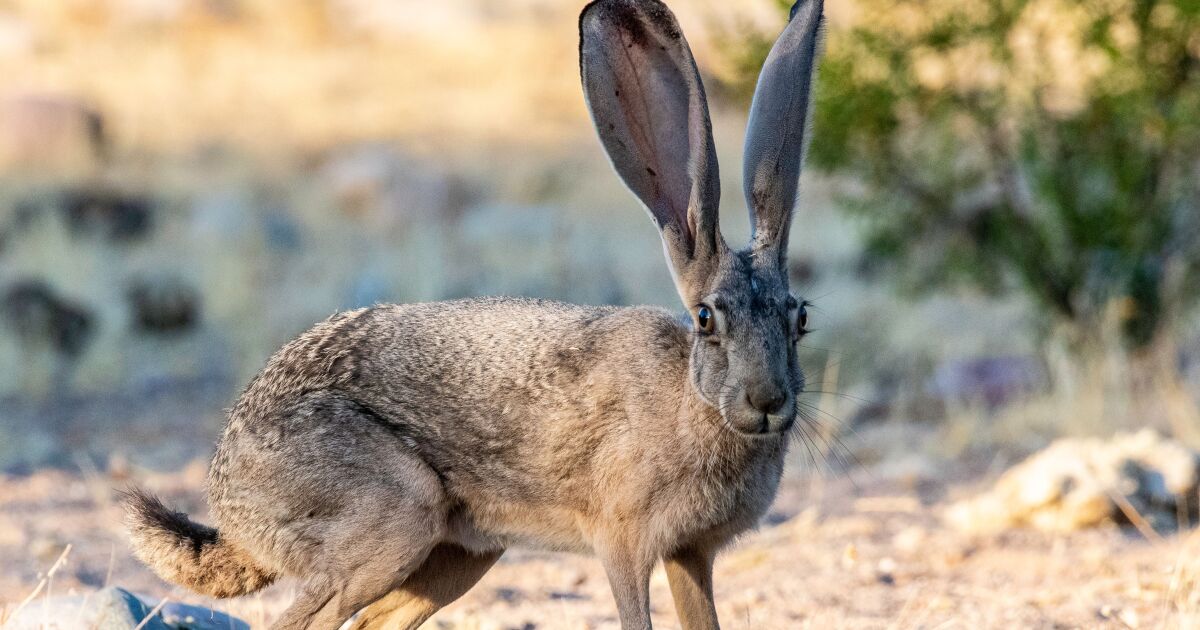
The Arizona Game and Fish Department is warning that a contagious disease that wiped out a large percentage of rabbit populations in the early 2020s is making a comeback
The disease, known as RHDV2, does not affect humans or other animals
The agency says recovery has varied by species — Arizona’s cottontail numbers have increased since the previous outbreak. However, the population of jackrabbits remains “significantly depressed.”
Larisa Harding says exposure occurs from physical contact
“Rabbits can catch it from dead animals on the landscape, going up and investigating and sticking their nose up against the infected dead animal. They can catch it from fecal pellets and droppings,” she said
Harding says there’s signs to an infected rabbit
“They’re bleeding from the backside because it’s hemorrhagic and so it affects the blood and tends to rupture those surfaces,” she said
Game and Fish encourages hunters to remove carcasses from the field and properly dispose of remains to prevent spread of the virus. The agency also says consumption of rabbit meat is still safe
-
Science
This Arizona solar farm provides safe harbor to displaced burrowing owls
Samad Khan/Cronkite News
The Sun Streams solar farm, located 17 miles west of Buckeye, is first and foremost built to harvest energy. But it has also become home to what some people say is one of Arizona’s most recognizable birds. 
The Show
SOAPBOX: Magical thinking and the hopeful search for a stray dog
Phoenix musician and writer Jason Woodbury’s got a road trip story for the dogs.
Fronteras Desk
What the U.S. can learn from Mexico as it handles flesh-eating parasite outbreak
Nina Kravinsky
The New World screwworm parasite has been in Mexico for more than a year and a half. Now that it’s crossed the border, the United States could turn south for direction.
Science
Study: Prescribed fires can reduce wildfire risk while also improving wildlife habitat
Kaleb Roedel
Prescribed fires can reduce wildfire risk while also improving wildlife habitat, according to a new study from the Nature Conservancy.
Science
Climate change causing more species to go extinct in temperate regions, UA study shows
Ignacio Ventura
Researchers from the University of Arizona found that climate change is causing more species to go extinct in temperate regions than tropical ones. Temperate regions are now warming faster.