


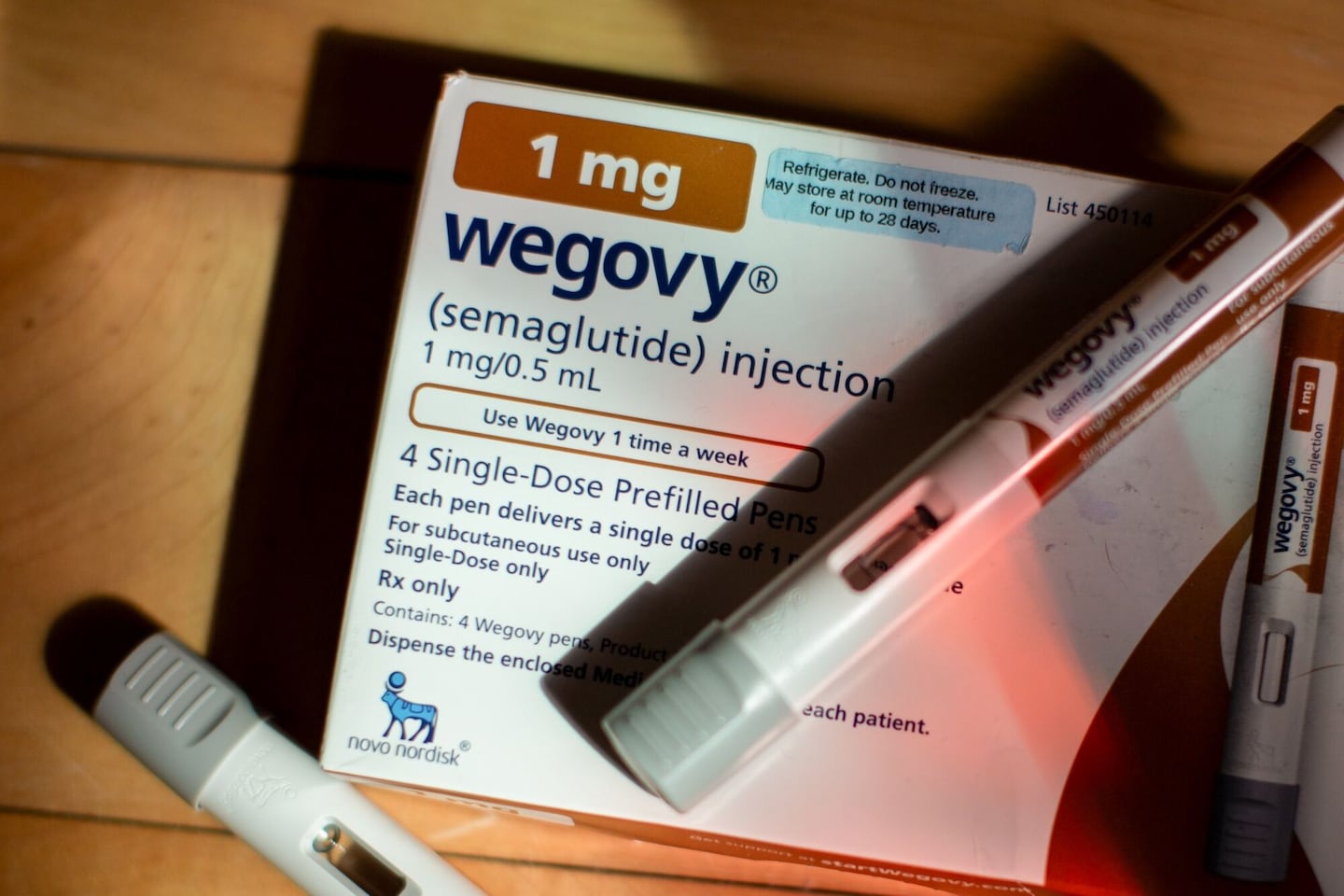
Medical experts agree that obesity is a chronic, treatable disease. Yet <a href="https://healthylife7.com/cats-could-benefit-from-weight-loss-medications-the-first-tests-are-already-underway/” title=”Cats could benefit from weight loss medications. The first tests are already underway.”>medications for obesity are being held to a different standard than treatments for other chronic diseases
As highlighted in Carey Goldberg’s July 12 Ideas piece, “Sorry, we just can’t cover those effective drugs,”Massachusetts insurers are restricting access to GLP-1 medications even when patients are benefiting. Without these medications, many will regain weight and face greater risk of serious obesity-related complications
The immediate cost of covering these medications is a legitimate challenge. However, treatments for obesity should be evaluated in the same way as treatments for other chronic diseases: based on whether they improve health and prevent complications
This double standard has particular consequences for women, who across their life span experience the effects of obesity in many ways, including heart disease, certain cancers, fertility challenges, maternal health complications, and more severe menopause symptoms
Eliminating coverage is not the answer. Obesity medications should be evaluated by the same standard as other evidence-based care. Patients should be able to work with their health care providers to choose the care that is right for them and have insurance coverage for that care. It’s only fair
CEO
Alliance for Women’s Health and Prevention
Washington, D.C
