


Dr. Jin Xiao
Eastman Institute for Oral Health researchers have received a five-year, $3.1 million grant to develop an artificial intelligence-powered platform designed to transform oral healthcare delivery from a clinic-dependent, treatment-focused model to a prevention-oriented, cost-effective oral healthcare system outside of traditional dental clinics
“Tooth decay and gum disease are among the most common chronic diseases worldwide, yet millions face barriers to care, including cost, transportation, location, and provider shortages,” said Jin Xiao, DDS, PhD, EIOH professor and associate dean for Oral Health Education at the University of Rochester School of Medicine and Dentistry. “By the time they reach a dentist, disease may be significantly more difficult and expensive to treat.”
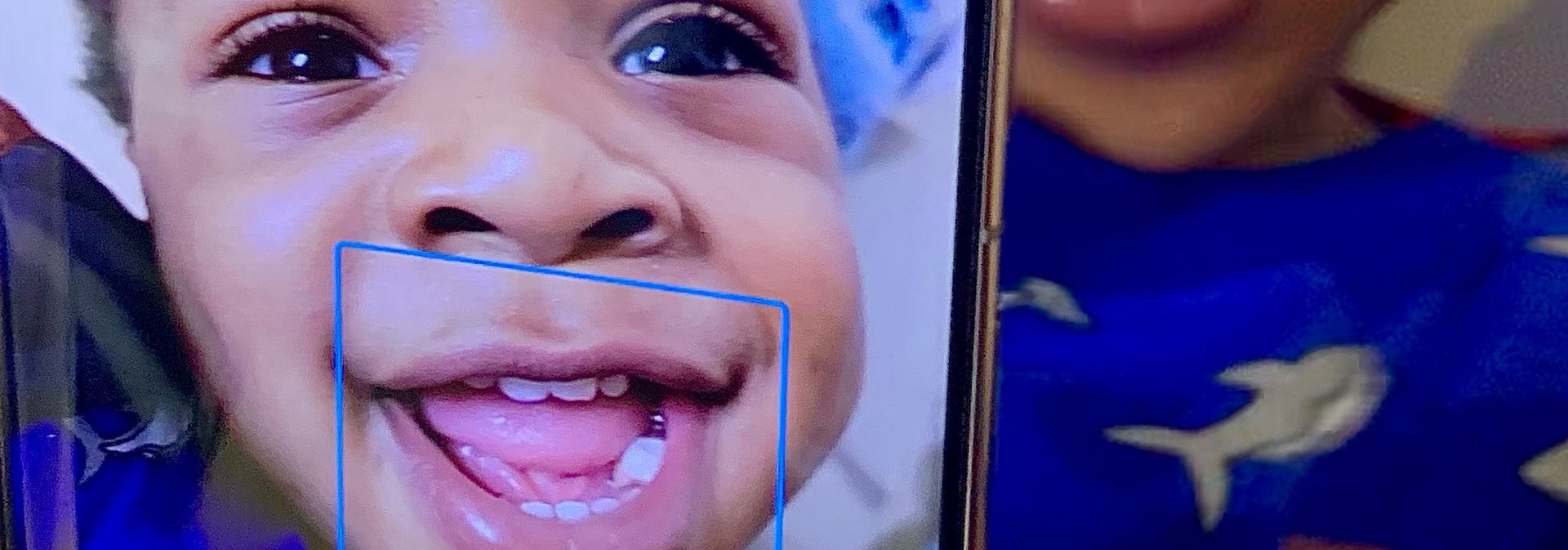
The project uses AI technology to evaluate early signs of tooth decay and gum disease.
Xiao, who has led multiple federally funded studies exploring mobile dentistry, artificial intelligence and new approaches to early oral disease detection, said this project will build upon previous studies to establish an advanced model, identifying disease earlier, understanding who is at greatest risk and connecting people with care before a small problem becomes a serious one
Funded by the National Institute of Dental and Craniofacial Research, part of National Institutes of Health, this project aligns with its priority to accelerate use of reliable and reproducible diagnostic tools
Researchers will advance their technology called SMARTeeth++, which combines portable oral imaging, AI and patient health information to examine images from inside the mouth and measure signs of both tooth decay and early stages of gum disease
Dr. Jiebo Luo
“The team will also develop predictive models that combine what the AI sees in an oral image with other relevant patient information to help determine who is most likely to experience worsening disease and may need more immediate intervention,” said Jiebo Luo, PhD, UR Computer Science professor and co-principal investigator
“Detection is important, but prediction could be transformative,” Xiao said. “If we can identify a person who is beginning to develop disease and know that he or she has a high likelihood of progressing rapidly, we have an opportunity to intervene much earlier. That moves us from reacting to oral disease toward preventing it.”
Dr. Tong Tong Wu
“SMARTeeth++ will not just help individual patients, it will also build models that predict how oral diseases develop across entire communities,” said Tong Tong Wu, PhD, professor, UR Biostatistics and Computational Biology, and co-principal investigator. “These community-level models will help identify population-based oral disease risk markers and inform what re
Across a series of studies, Xiao and her team have shown that high-quality dental images can be captured outside traditional dental clinics and analyzed remotely to detect early signs of tooth decay. The SMARTeeth project brought this approach into real-world medical settings, where screening during obstetric visits identified early-stage decay in 71.7% of participants, underscoring the potential to reach underserved patients where they already receive care
This advanced version, SMARTeeth++, will ultimately be developed for two complementary uses: a mobile platform that could allow individuals to participate in oral health screening and a clinical management platform that dental hygienists and other trained health professionals could use to screen and manage groups of patients
A portable imaging system is also being designed so that trained non-dental personnel can capture the images needed for assessment in settings such as medical offices and community health programs. Dental professionals would remain an essential part of diagnosis and treatment, while the technology could help extend their reach to people who may otherwise have difficulty accessing care
“That distinction is important,” Xiao said. “The technology is intended to expand access to dental expertise, not replace dentists.”
EIOH Director Dr. Eli Eliav
If successful, the platform could help shift oral health care from a system heavily dependent on patients reaching a dental clinic after symptoms occur to one that emphasizes earlier detection, prevention and more targeted use of limited dental re
“Eastman has a longstanding mission to improve access to oral health care,” said EIOH Director Eli Eliav, DMD, PhD, MBA. “SMARTeeth++ has the potential to advance that mission by helping us reach patients earlier, extend dental expertise beyond the clinic and use limited re
This study is supported by a multidisciplinary team from Family Medicine, Dentistry and Clinical and Translational Science Institute, including Kevin Fiscella, MD, MPH, Michael Mendoza, MD, MPH, Jack Chang, PhD, Nisreen Al Jallad, DDS, MS, Cyril Meyerowitz, DDS, MS, Mandy Fraser and research assistants
