


This is a paid press release. Contact the press release distributor directly with any enquiries.
Global Pediatric Drugs (2026-2031) – Rising Prevalence of Childhood Diseases Drives Market Growth
Research and Markets
Thu, 20 August 2026 at 9:35 pm GMT+5:30
6 min read
Growth is driven by chronic childhood illness, pediatric-specific and rare-disease therapies, vaccines, precision delivery and digital adherence, with strong opportunities in Asia-Pacific
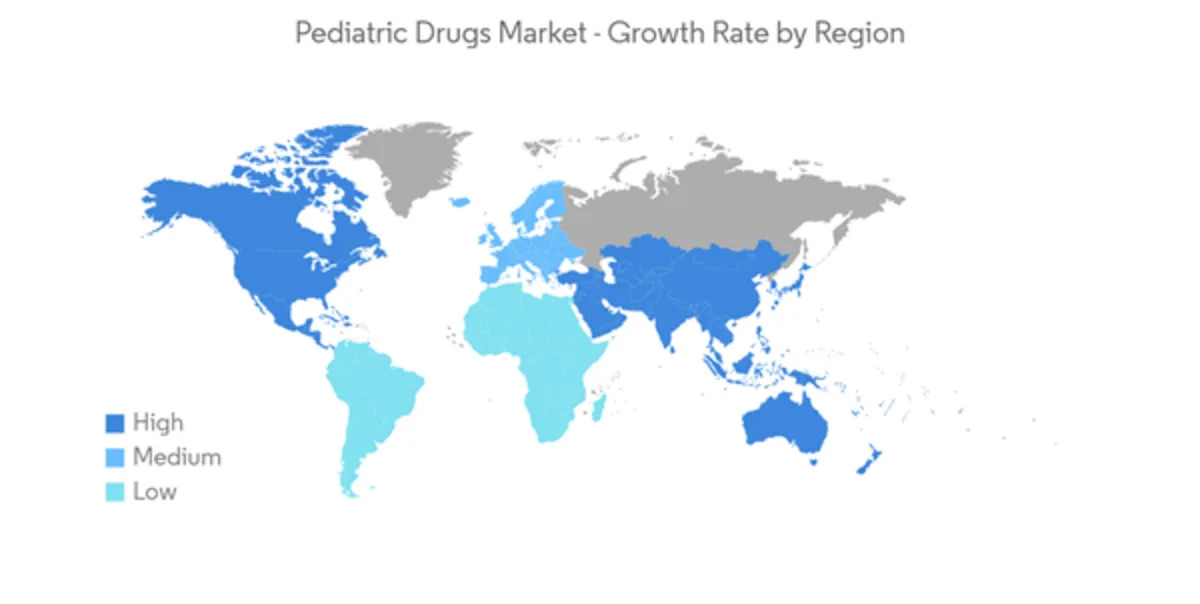
Pediatric Drugs Market Pediatric Drugs Market Growth Rate By Regi
Dublin, Aug. 20, 2026 (GLOBE NEWSWIRE) — The “Global Pediatric Drugs – Market Share Analysis, Industry Trends & Statistics, Growth Forecasts (2026-2031)” report has been added to ResearchAndMarkets.com’s offering
Pediatric Drugs Market to Reach USD 227.67 Billion by 2031 as Demand for Age-Appropriate Therapies Accelerates
The global pediatric drugs market was valued at USD 141.27 billion in 2025 and is projected to increase from USD 152.97 billion in 2026 to USD 227.67 billion by 2031. The market is expected to expand at a compound annual growth rate of 8.29% during the 2026-2031 forecast period, supported by the rising prevalence of chronic childhood illnesses, expanding pediatric research pipelines, regulatory incentives and growing demand for safer, age-appropriate drug formulations
Chronic Pediatric Diseases Drive Treatment Demand
The increasing burden of obesity, respiratory disease, neurological conditions, cancer and rare genetic disorders is strengthening demand across the pediatric pharmaceuticals market. Childhood obesity affects approximately 6 million children in the United States, encouraging the development of treatments for younger age groups. Therapies such as liraglutide are now targeting children between the ages of 6 and 12, reflecting the growing need for earlier intervention
Innovation is also advancing for complex neurological and metabolic conditions. Recent approvals, including KEBILIDI for aromatic L-amino acid decarboxylase deficiency, demonstrate progress in addressing rare pediatric diseases. In pediatric oncology, exosome-based nanocarriers are being studied to improve drug targeting and reduce systemic toxicity. These developments are increasing the need for formulations that provide dose flexibility, long-term safety, improved taste and easier administration.
Research Pipelines Support Pediatric Drug Innovation
Regulatory incentives have helped expand research activity for rare pediatric diseases. The U.S. Food and Drug Administration issued 38 rare pediatric disease priority review vouchers through 2024, while 569 designations were recorded from 2013 onward. Much of this activity has focused on neurology, metabolic disorders and oncology
Pharmaceutical developers are increasingly designing treatments around pediatric physiology rather than adapting products originally created for adults. Examples include planned regulatory submissions for granule formulations intended for children under 12. This shift toward pediatric-specific drug development is expected to improve treatment adherence, dosing accuracy and clinical outcomes while supporting long-term market growth
