


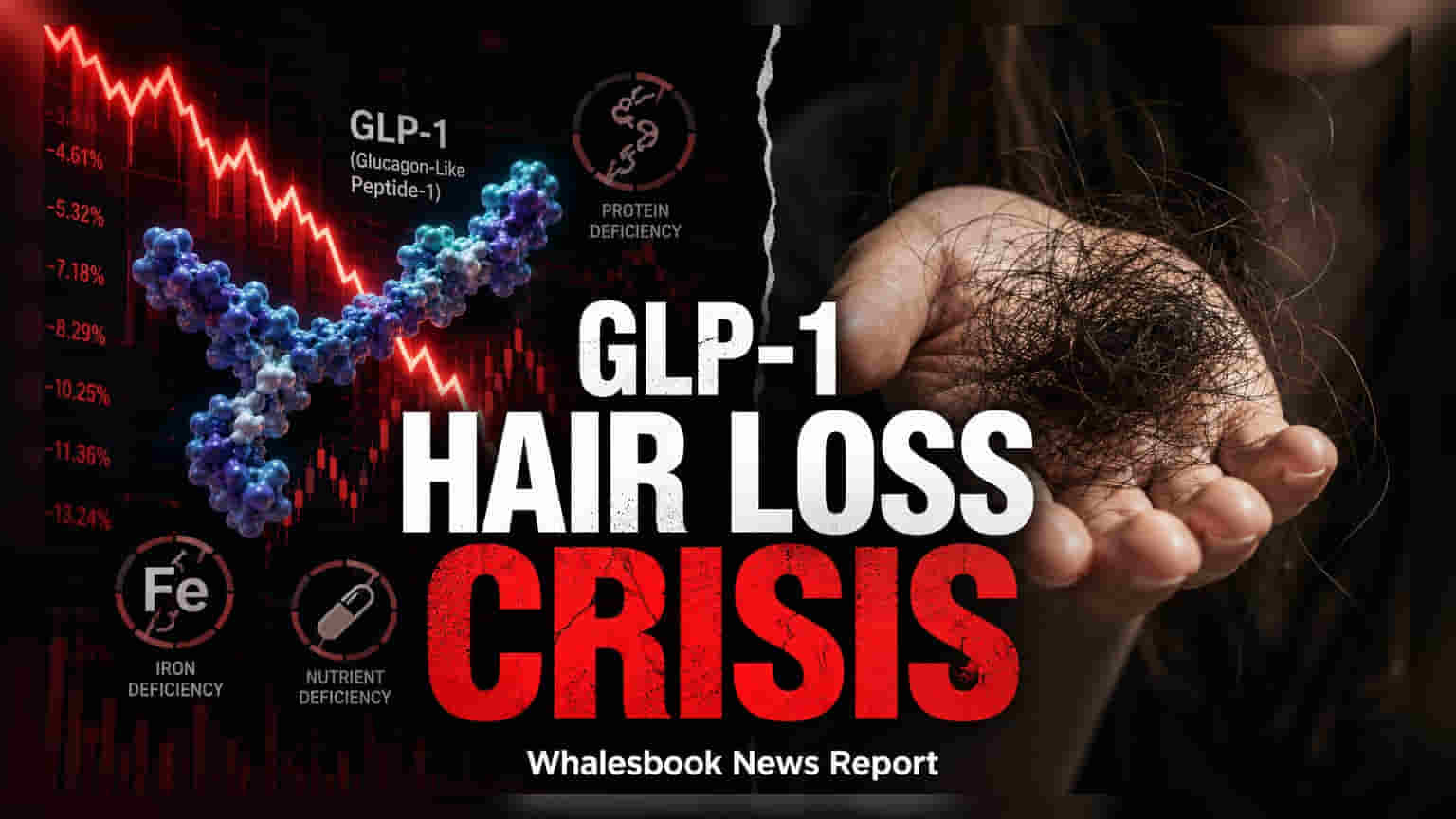
Dermatologists are observing increased reports of temporary hair loss among users of GLP-1 weight-loss medications. This side effect is primarily linked to rapid weight reduction and nutritional gaps rather than direct drug toxicity. Experts emphasize that patients should seek medical supervision to manage diet and prevent such stress-induced shedding
A growing trend in the use of GLP-1 receptor agonist medications for weight management has brought a new health concern to the forefront: excessive hair shedding. While these drugs are highly effective for weight reduction, medical experts are increasingly documenting cases of telogen effluvium—a form of temporary hair loss—among users. This condition typically occurs when the body experiences significant metabolic stress or sudden nutritional changes, causing hair follicles to enter a resting phase and eventually fall out.
Causes Behind Hair Shedding in GLP-1 Users
The hair loss reported by patients is often not a direct toxic reaction to the medication itself. Instead, it is frequently the result of rapid weight loss and reduced calorie intake. When patients lose weight quickly, the body may experience nutritional deficiencies, particularly in vital elements like protein, iron, zinc, and biotin. These nutrients are essential for maintaining healthy hair follicles. If a patient does not maintain a balanced diet while on these drugs, the body prioritizes vital organs over hair health, which can trigger a shedding cycle three to four months after the rapid weight loss begins.
Clinical Findings and Research Data
Recent studies have begun to quantify this side effect, which is particularly relevant for those using medications like tirzepatide and semaglutide. In a study published in the journal Skin Appendage Disorders, a significant majority of surveyed users reported hair shedding after starting treatment. The research highlighted that women and individuals who lost 15% or more of their body weight were at a higher risk. Data from this study indicated that nearly 40% of participants eventually stopped their treatment due to concerns over hair loss, though many found that their hair growth patterns normalized after they discontinued the medication.
Importance of Medical Oversight
The rising popularity of GLP-1 drugs on social media has led to concerns about patients accessing these prescription medications without adequate medical guidance. Dermatologists and internal medicine specialists emphasize that this type of hair loss is generally temporary and reversible once the nutritional gaps are addressed and the body’s metabolic stress subsides. Recovery usually involves professional management to ensure the patient is consuming adequate protein and essential micronutrients during the weight-loss process.
For investors and market observers, the key monitorable remains the long-term impact of these side effects on medication adherence and regulatory scrutiny. If a significant percentage of patients discontinue treatment due to side effects, it could influence real-world usage patterns. Future health updates will focus on how manufacturers address these cosmetic concerns and whether increased medical awareness leads to better patient management strategies, thereby stabilizing treatment duration
