


- Why Relationships Matter
- Take our Can You Spot Red Flags In A Relationship?
- Find counselling to strengthen relationships
Key points
- A 2013 study found that watching rom-coms to learn about love was linked to stronger romantic beliefs.
- Millennials and Gen Z have come of age with fewer rom-coms modeling real relationship dynamics.
- Rom-coms from 1961 to 2004 offer concrete lessons on vulnerability, risk-taking, and daily commitment.
Social media has somewhat altered how we view romantic love, and some studies show it has increased relationship dissatisfaction and disconnection. For instance, 51% of couples feel their partner is easily distracted by their cellphones when they are trying to talk to them; 40% feel annoyed by how much time their partners spend on their phones; and 34% go through their partner’s phone without asking
Just among millennials, social media appears to have increased conflict—and infidelity rates. In fact, therapists are seeing an increased number of couples with heightened relational distress due to social media, such as flirting with someone online and engaging in emotionally inappropriate chats with other people. Another possible factor: With a decline in the number of romantic comedies (rom-coms) produced over the last decade, millennials and Generation Z may not get to experience them in the way many Gen Xers and Boomers did, i.e., as potential learning experiences about dating and navigating relationships.
A 2013 peer-reviewed psychological study surveyed undergraduates and found that those who watch rom-coms with the intention of learning about relationships tend to hold stronger romantic beliefs than those who watch for other reasons, such as entertainment or boredom. Mood can enhance sociability, suggesting that if romantic comedies can positively influence mood, then viewing these movies may be a particularly useful societal activity. When positive emotions are generated through media exposure, they can help reduce stress and create many beneficial feelings.
Following are 5 rom-coms from 1960 to 2004 that could teach us a thing or two about dating and love—and they may add a little joy to one’s life
Breakfast at Tiffany’s (1961):Ayoung New York socialite (Audrey Hepburn) becomes interested in a handsome young man (George Peppard) who has moved into her apartment building, but her highly avoidant attachment style gets in the way. She even refuses to name her own cat, so that she and the cat will not become too attached. Just imagine how she feels about relationships with humans. What we can learn: love requires vulnerability
What’s Up, Doc? (1972):Two researchers (Barbara Streisand and Ryan O’Neal) have come to San Francisco to compete for a research grant in music. Judy pursues Howard romantically, and in the process, disrupts his rigid lifestyle. What we can learn about love: Sometimes following the checklist to find a partner does not work. Sometimes you must act on unplanned, spontaneous romantic chemistry
Tootsie (1982): Michael Dorsey (Dustin Hoffman) is a talented out-of-work actor in New York City who reinvents himself as an actress to get hired by a soap opera and then falls for one of the show’s leading ladies (Jessica Lange). Because Michael lives as a woman for work, he develops greater empathy for women and eventually becomes a better romantic partner. What we learn about love: Through understanding the lived experience of someone we love, we can form a deeper connection
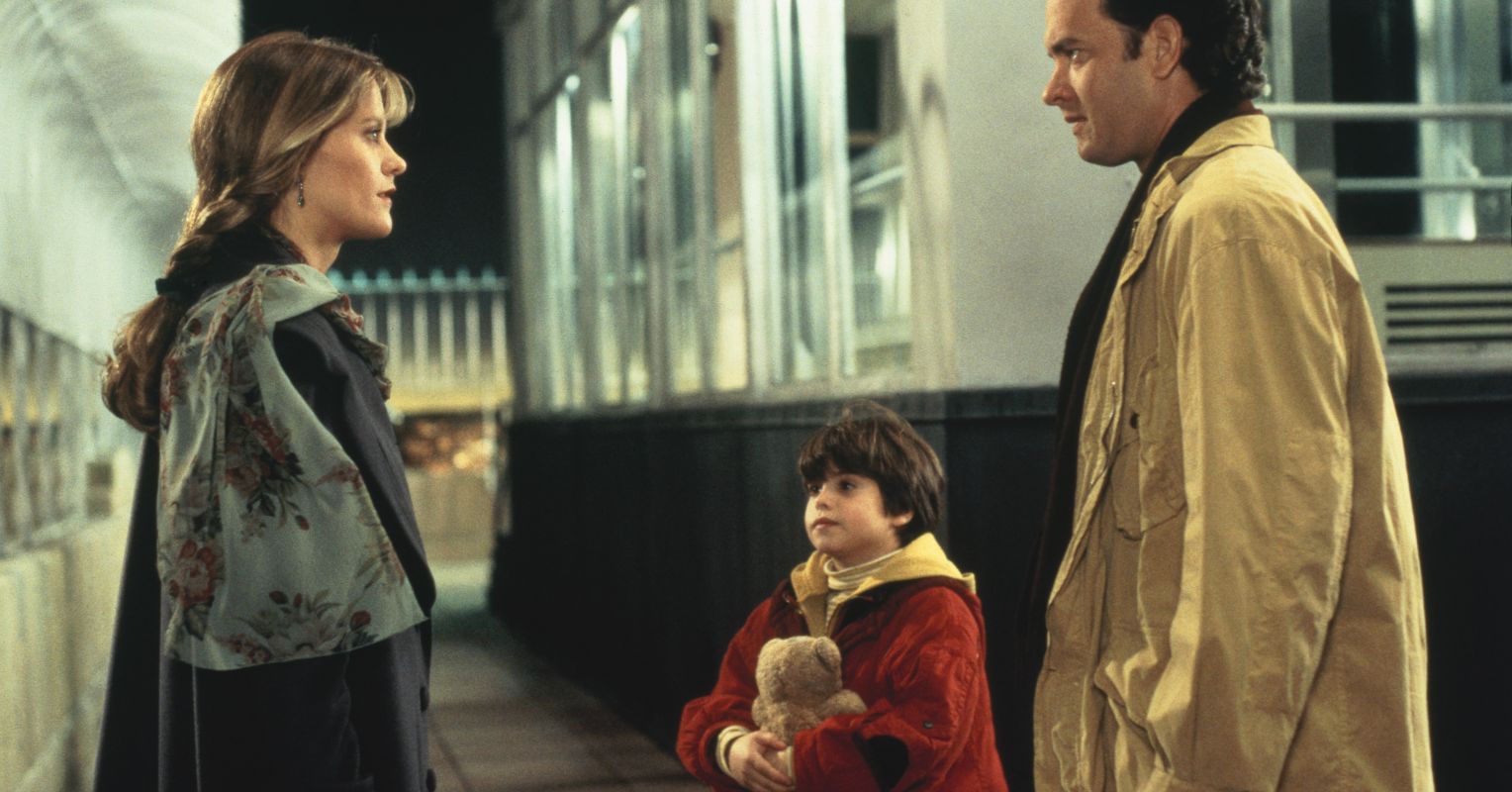
Sleepless in Seattle (1993): After his wife’s death, Sam Baldwin (Tom Hanks) moves to Seattle with his son. His son calls in to a talk-radio program hoping to find a new wife for his father, eventually leading to his father meeting Annie Reed (Meg Ryan). What we can learn about love: imagining a love, taking a risk, and following one’s heart is the harder option, but one with the better payoff than the safe-but-uninspired one, such as Annie’s relationship with her fiancé, Walter
- Why Relationships Matter
- Take our Can You Spot Red Flags In A Relationship?
- Find counselling to strengthen relationships
50 First Dates (2004): Playboy veterinarian Henry (Adam Sandler) sets his sights on romancing Lucy (Drew Barrymore), but she suffers from short-term memory loss; she can’t remember anything that happened the day before. What we can learn about love: love is not a one-time declaration, but a daily, continuous effort, and romantic commitment is an active choice
Kretz, V. E., & Hefner, V. (2024). Feeling better or worse? Women’s social comparison to romantic ideal and challenge content. Psychology of Popular Media, 13(4), 677–686
Owens, A., Beattie, E., & Irvine, T. (2025). The Impact of Social Media Use Among Millennial Couples. The Family Journal, 33(3), 427-432
Prestin, A., & Nabi, R. (2020). Media prescriptions: Exploring the therapeutic effects of entertainment media on stress relief, illness symptoms, and goal attainment. Journal of Communication, 70(2), 145–170
Vogels, E. & Anderson, M., 2020. American Trends Panel: Dating and Relationships in the Digital Age (October 2019), Pew Research Center: Internet, Science & Tech. United States of America
