


How an Egyptian Doctor’s Fad Diet Turned Deadly – New Lines Magazine

Spotlight
Egypt
8 min read
How an Egyptian Doctor’s Fad Diet Turned Deadly
A former anesthesiologist wrapped his ‘tayibbat’ program in Quranic language and told diabetics to abandon insulin and eat sugar, leading to hospital admissions and deaths across the Arab world
Heba Farouk MahfouzHeba Farouk Mahfouz is a Cairo-based reporter for The Washington Post
July 30, 2026
Share
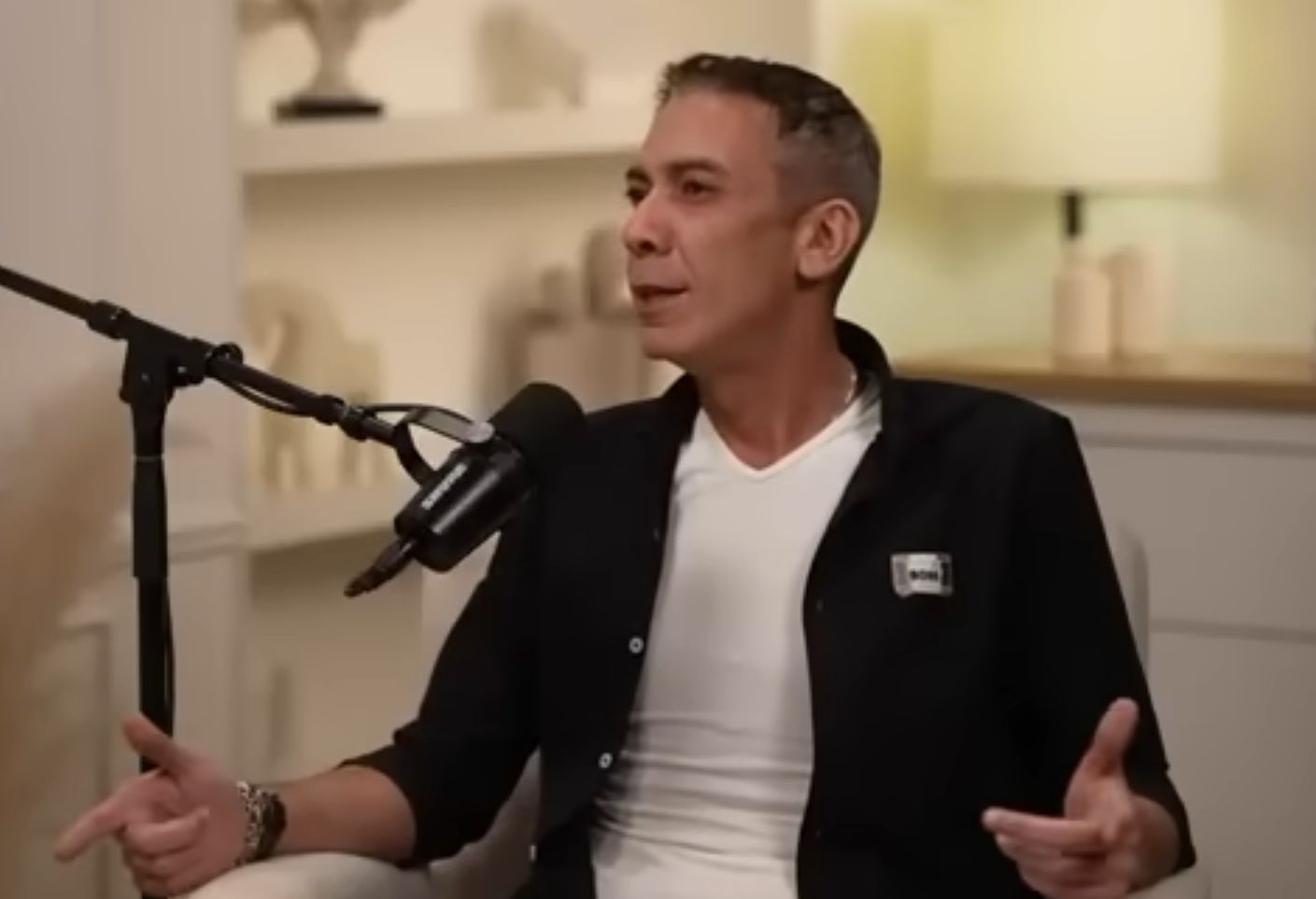
When Nancy Attia, 41, a restaurant owner, first saw the Egyptian doctor Diaa al-Awady in a video, she was “appalled by his aggressive attitude.” The man, who would go on to garner nearly 3 million followers on his Facebook page and become a viral sensation in the Arab world months after his death, was espousing a diet called “tayyibat” that would soon become something akin to an anti-scientific cult with adherents across the Middle East
Five months later, she swore by his diet
Attia suffers from a thyroid condition and blood disorders, causing her iron levels to drop severely. She tried al-Awady’s diet after losing hope in the doctors she said had failed to address her illness. She had watched one of al-Awady’s videos in which he argued that iron supplements should be replaced by food items
It triggered a desire to stop taking the supplements that caused her severe side effects. For three months, she replaced them with al-Awady’s advised food plan — eating raisins, dates, blackstrap molasses and gluten-free, high-sugar foods. She refrained from eating poultry, eggs, milk and dairy, and had already restricted white flour before starting the diet. She immediately noticed that her bloating, nausea, tiredness, dizziness, constipation, sinus allergies and brain fog “vanished.”
“My iron levels rose from 7 to 9.5, and even my severe sinus allergies vanished, despite the fact that I am still a heavy smoker,” she said. “It was a huge breakthrough for me in a very short time. I was surprised.”
The so-called “tayyibat” diet has attracted both a loyal following among social media users and strong criticism from the medical community. The fad has sparked alarm across the region as millions of adherents continue to evangelize about al-Awady’s methods. Governments across the Arab world have warned of its dangers amid a surge in emergency cases and deaths linked to the eating plan
Al-Awady, a former intensive care anesthesiologist, devised the highly controversial diet plan and presented it to his followers on social media. He combined Quranic language with modern scientific jargon, a potent mix that attracted millions of followers across Egypt and other Muslim-majority countries who felt neglected by their doctors or struggled to manage chronic diseases using conventional methods
Al-Awady claimed that chronic illnesses can be managed primarily by “healing the gut” through specific dietary choices. He soon became a well-known medical influencer, with 569,000 subscribers on YouTube and 2.8 million followers on Facebook. Facebook groups dedicated to al-Awady’s diet, which collectively included nearly 500,000 members across Egypt and other countries, have added users since al-Awady’s death
The diet divides food into “tayyibat,” which means pure or wholesome, and “khabithat,” which means harmful. Both names were derived from Quranic verses
Al-Awady encouraged patients to consume starches, high‑sugar food, canned juices instead of fresh ones, beef and lamb, potatoes, rice, dates, grapes and bananas, plus processed cheeses and rich animal fats. He argued that smoking is “not necessarily harmful” and does not directly cause lung cancer
The diet strictly prohibited the consumption of poultry, eggs, most fresh milk and yoghurt, many types of fish and seafood, leafy green vegetables, tomatoes and onions, as well as legumes, pasta and most wheat flour products
Al-Awady advertised his diet as a replacement for conventional medicine, eventually openly accusing drug companies and doctors of deliberately keeping patients sick to financially benefit from them
He was in his late 40s when he died of a heart attack at a Dubai hotel in April. Many of his followers have circulated conspiracy theories that blame the authorities for his death
Egyptian authorities banned the publication or circulation of any audio, visual or written content produced by al-Awady in May, citing risks to public health. The ban came as a response to a complaint put forth by the Ministry of Health and the Egyptian Medical Syndicate, which had already revoked al-Awady’s license and shut down his clinic in March. The ministry explained that he was banned for “publishing misleading medical information that could expose patients to severe health risks, including urging diabetic patients to stop using insulin, in violation of approved scientific standards.”
The Saudi Health Ministry also warned against al-Awady’s diet, citing “serious health complications.” The warning came following reports of patients stopping their insulin or diabetes medications based on the diet’s recommendations, the statement said. Some cases required emergency intervention and admission to intensive care units, it added
During a parliamentary session earlier this month in Morocco, where the diet has gained a large and loyal following, lawmaker Mohamed Bin Faqih expressed concern over its growing popularity. He urged the government to tighten oversight and launch public awareness campaigns to counter what he described as “health-related misinformation.”
Doaa Zakaria, a professor of clinical nutrition and hepatogastroenterology at Ain Shams University, has become known as one of the strongest critics of the diet. She frequently meets patients at her clinic who tried it but ended up with worsening health conditions
In her practice, every person is a unique “biological story,” she said. She depends on personalized and precision medicine to treat her patients, giving medical advice specifically tailored for each individual case
“There is nothing that all people could eat to get cured from all diseases, and other things that when people eat them, everyone gets sick with all diseases,” she told New Lines
Zakaria believes that the financial challenges patients face getting proper medical care, their distrust of medical authorities and an overwhelming wish to abandon health restrictions without guilt have all contributed to patients’ attraction to al-Awady’s diet and its international spread. It falsely empowered patients, making them feel like they could heal themselves without having to depend on doctors they distrust or cannot afford, Zakaria added
“There is a trust issue between the patients and doctors because there are not many independent medical voices communicating with the public,” she said. “The main reason for this crisis is a trust issue.”
Zakaria acknowledges, however, that the diet may help some patients feel temporary relief. She explains that “tayyibat” is a combination of a gluten-free, casein-free diet and the FODMAP diet. The first eliminates gluten and milk protein and could help autoimmune patients feel better temporarily. And the second eliminates certain fruits and vegetables that get fermented in the gut and can cause gas. Al-Awady mixed both diet systems and gave his patients energy from simple sugars, she explains. Over time, the body gets deprived of vitamins, minerals and its ability to digest food as it used to before and “troubles start to appear,” she added.
Zakaria noticed she started receiving even more patients at her clinic coming to treat the complications of “tayyibat” after al-Awady’s death. They were mostly diabetic patients, coming in with uncontrollable blood sugar levels, body and gut inflammation, indigestion, and complications from stopping their chronic disease medications
Rana S., a pediatrician at a government hospital in central Cairo, has treated at least two children admitted to intensive care in near-death condition because of “tayyibat.” One of them was a 13-year-old diabetic girl who was admitted with diabetic ketoacidosis symptoms, severe metabolic acidosis and severely disturbed consciousness. The child came in with “a pH level of a dead person,” the doctor said. The mother told the doctor that she had stopped her daughter’s insulin shots, which she had been on since she was 5, a week earlier because she follows the “tayyibat” diet. The doctor ended up filing a police report against the mother.
The girl went into a coma for four days and spent more than a week in intensive care fighting for her life. She was discharged based on her family’s request after regaining consciousness, the doctor added
The second child the doctor received with diabetes complications because of “tayyibat” was 10 years old. The boy had been suffering from Type 2 diabetes ever since he was 3. He came across al-Awady’s video on social media and decided to follow his edicts, he told the doctor
The little boy said he had decided on his own to follow the diet. No matter how hard the doctor tried to convince her patient that he should refrain from following the regimen, he refused to believe her, and even after he was admitted to intensive care, he still could not believe that “tayyibat” was the reason
“I watched all his videos, and I am fully convinced with his diet,” he told his doctor
The boy was not the only one who clung to his belief about “tayyibat” even as they harmed him
In Faiyum, 60 miles southwest of Cairo, 59-year-old Magda Abdo believed that “tayyibat” could cure her diabetes and stop her from taking her four daily insulin shots. For three months, she stopped her medications and consumed huge amounts of sugary foods and drinks, something she had been restricted from doing by doctors for 30 years
Abdo ignored her family’s tireless attempts to convince her to take her medications and to stop consuming sugary foods. She had already lost weight and started having regular bowel movements, and thought it was an improvement, even when her eyesight became weaker and her blood sugar levels exceeded the glucometer’s measurable range because they were too high to be read
“It became so bad that, at one point, I had to go to her house and give her the insulin shot by force. She resisted and truly believed she was fine,” her daughter, Nada Abdel-Tawab, 27, told New Lines
Ten days ago, Abdo died of what her daughter believes were complications from “tayyibat.”
“I will hold Diaa al-Awady accountable before God on the Day of Judgment,” Abdel-Tawab said. “She genuinely believed in him as if he was sent [by God] or something.”
Al-Awady died of what authorities said were natural causes at the age of 47, but his diet has evidently outlived him
It will take time before the fad diet dies, Zakaria said. “So long as patients have unmet needs, they will keep looking for other magical solutions.”
“Spotlight” is a newsletter about underreported cultural trends and news from around the world, emailed to subscribers twice a week. Sign up here
