


Home is not just a place… it is a feeling.” That saying is very much true. In today’s stressful world, the way our homes are designed is quietly deciding how well we are able to cope
People are now spending more time indoors than previous generations, which means our homes have never mattered more — especially in how it can support and enhance the mental and emotional well-being of its residents. Of course, residential architecture isn’t therapy, and it won’t undo an existing mental health struggle on its own. But research across the fields of environmental psychology, interior design and neuroarchitecture keeps pointing in the same direction: the spaces we live in affect our stress, focus, sleep, emotional response and regulation, cognitive performance, and even how we behave around other people.
The big four
A few key elements in contemporary residential design and architecture can do most of the heavy lifting
Spatial layout: Open, flowing spaces that don’t restrict movement create a sense of freedom and ease. Pair shared areas for connection with quiet, private corners for reflection, and a home starts to support the mind instead of crowding it
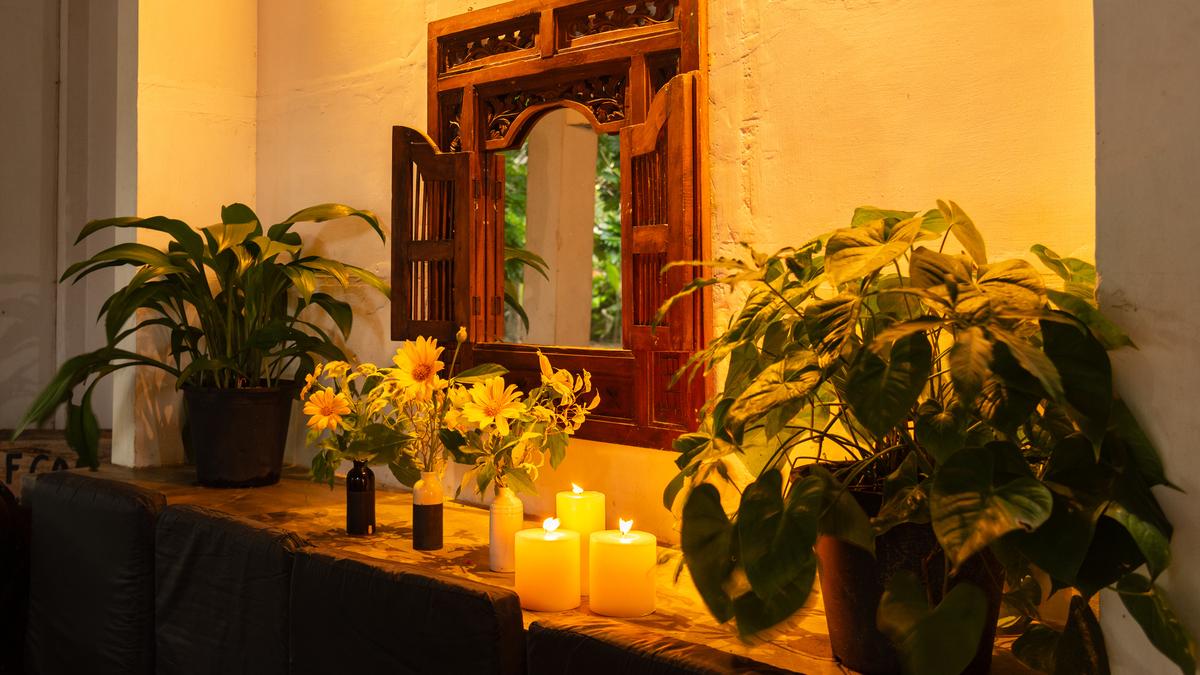
Strategic lighting: Big windows and plenty of daylight help lift mood and sharpen focus. Post sunset, a mix of warm ambient lights, task lighting for reading or cooking, and accent lighting on art or plants can collectively make a home feel personal and welcoming
Designing for touch: Texture matters more than we admit. Raw wood, tumbled stone (smooth, rounded rocks), linen, honest (eco-friendly) fabrics — the friction of contrasting surfaces creates small moments of mindfulness and keeps people grounded
Leveraging colour psychology: Every colour carries a mood. Warm reds and yellows in a living room bring energy, while the cooler greens and blues in a bedroom settle the body and mind
Apart from the above, a lot of other things shape how a home makes us feel. For instance, how open or closed a space is. The way sound and light play off each other
An open layout that brings people together and helps them bond with each other becomes an antidote to anxiety and loneliness. Considered acoustics and soft materials give you the quiet you need after a tiresome workday
Biophilic or nature-based touches bring a sense of calm. A shared garden, a walkable path, a courtyard — these foster belonging and turn a stack of apartments into something closer to a community
Other aspects
High-end hotels and resorts have always understood the importance of lighting, spatial flow, sensory comfort, etc., in curating memorable experiences. Many luxury residential projects now borrow from the hospitality playbook, adopting similar principles and elements as they aim to create homes that offer ease and emotional comfort
Homebuyers are, of late, seeking much more than extravagant apartments — they want their homes to be aesthetically pleasing, but also deeply personal, and ones that contribute to their overall well-being. Developers are responding to this shift with wellness-led homes, including housing that prioritises mental health in particular. The next big opportunity India’s residential realty is reaching for is neither a bigger home nor a smarter one. It is a healthier home
The writer is CEO of Himalia Prime Assets
