


It’s the miracle macronutrient, capable of helping build muscle, lose fat, boost bone strengthand bolster theimmune system, among other benefits. The overarching message: more protein is better
But new research says otherwise. In fact, it suggests that eating too much protein could speed up the ageing process and contribute to increased diabetes risk and larger waistlines. Restricting daily protein totals, on the other hand, could deliver better body composition and metabolic health
There is, however, more nuance to it than that. Professor Valter Longo, co-lead author of this new study, highlights how protein is composed of building blocks called amino acids, and different proteint just how much protein you eat, but also where it’s coming from, that could determine your future health
The secret ingredient for a long and strong life
“If you think about mice and rats and a lot of species, we’ve known for many years that one of the ways to make them live longer is to restrict protein,” says Professor Longo, author of book The Longevity Diet
“We also know that populations such as southern Italians and probably also the Japanese [both areas associated with longevity and low protein diets] are relatively frail compared to central and northern European countries
“This paper tried to solve that problem. Is it possible to eat a low-protein diet but prevent strength decreases and frailty?”
It turned out that adding just a little bit of methionine to a low-protein diet, similar to the Okinawan or Mediterranean diet, makes a big difference
Professor Valter Longo
Working with mice, Professor Longo and his team made one small tweak to a low-protein diet to achieve this: they increased the intake of an essential amino acid – one that can’t be produced by the body – called methionine
“It turned out that adding just a little bit of methionine to a low-protein diet, similar to the Okinawan or Mediterranean diet, makes a big difference,” Professor Longo explains. “It can keep strength, maximise longevity and cause fat loss, but not lean body mass [muscle] loss, while allowing for high calorie consumption.”
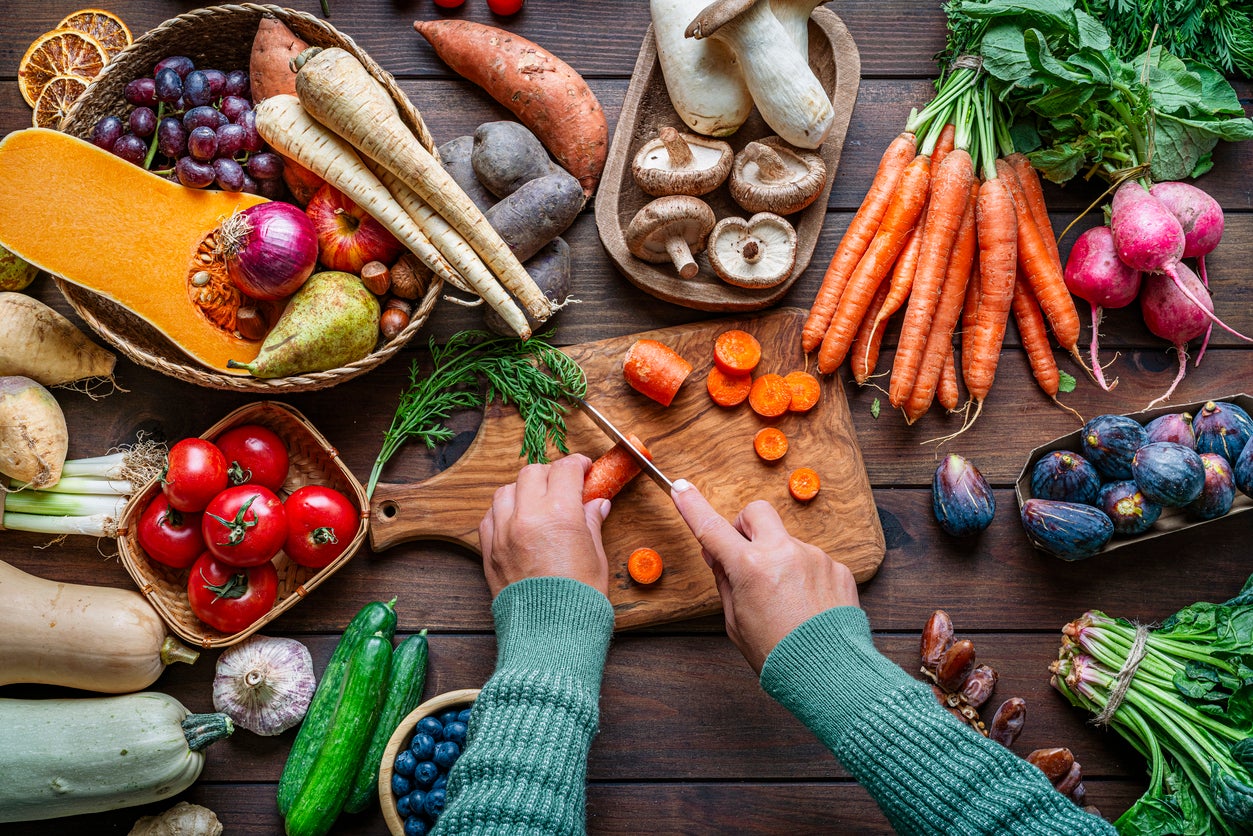
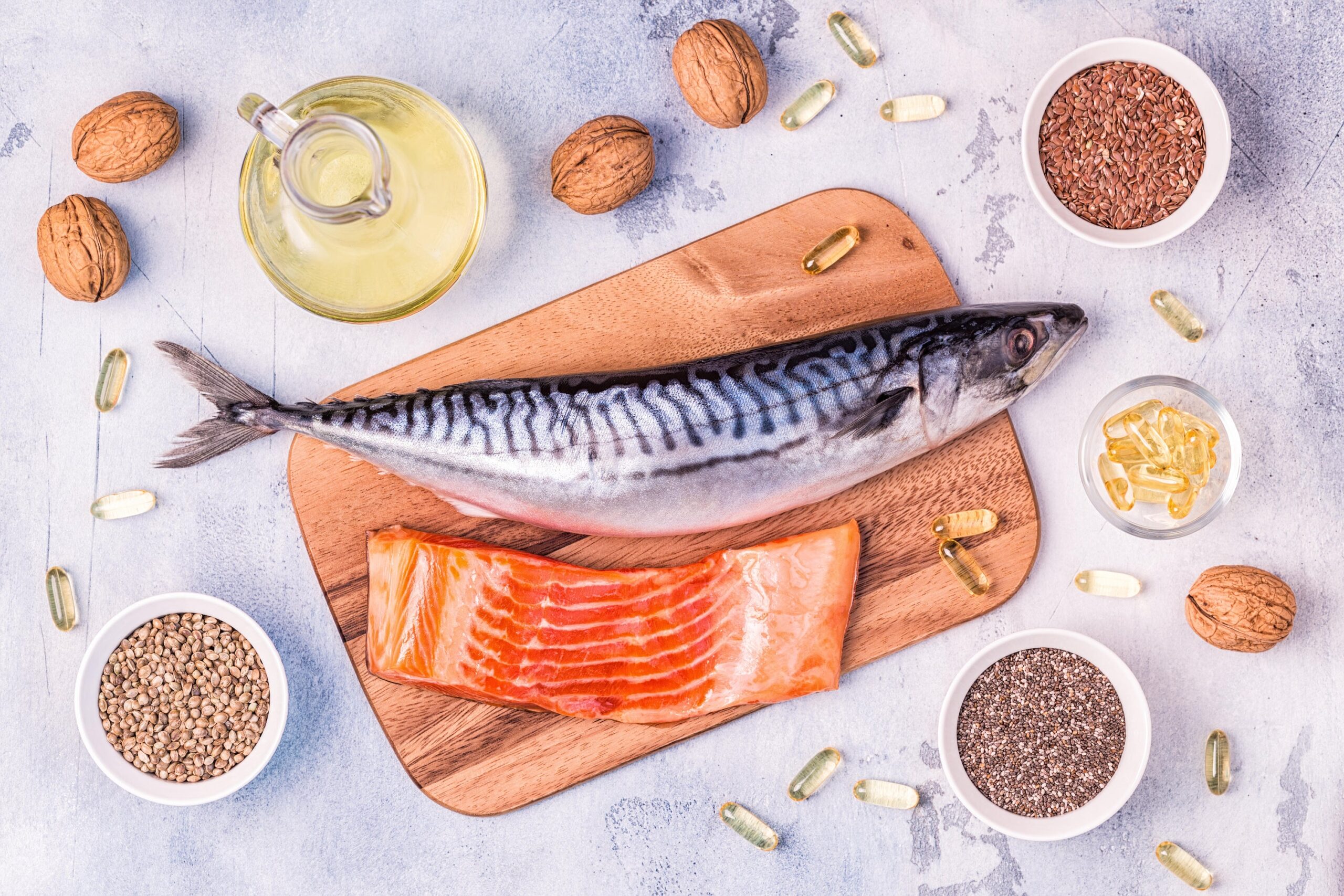
Methionine can be found in everything from animal proteins to nuts, seeds, whole grains and legumes, but the amounts vary greatly. Animal proteins tend to contain larger amounts, while some plant-based protein
For the best health effects, Professor Longo recommends treating methionine like you are Goldilocks. Too little leads to frailty; too much leads to “weight gain and accelerated ageing”
He says “the ideal protective balance” can be achieved with a low-protein diet in which plant-based proteine animald meats
Does this advice apply to humans?
As part of their study, Professor Longo and his team asked Harvard Department of Nutrition chair Professor Frank Hu to analyse data from more than 200,000 men and women
The results found that “those with the highest animal protein intake tended to have a healthier lifestyle, but had approximately double the prevalence of type 2 diabetes compared with those in the lowest intake group”
“This could explain why so many people have relatively healthy diets but they get diabetes or they become overweight,” Professor Longo says. “…These people with a high animal protein diet had a much higher risk of developing diabetes and a much higher proportion of overweight and obesity.”
“These findings indicate that mostly plant-based low-amino-acid diets have the most potent effects on healthspan, but require moderate methionine intake to minimise frailty,” the researchers summarise
Read more:I did goblet squats every day for a month and the results surprised me

But what about if you are an active person who wants to build muscle?
It is generally accepted that active people need more protein in their diet to support their exercise endeavours. Activities such as lifting weights, jumping and sprinting trigger positive changes in the body, and the body uses amino acids from proteins to action these adaptations – larger muscles, stronger bones, more robust joints
A prescription you will often hear gym-goers cite is to consume 2g of protein per kg of body weight per day; a total that likely stems from papers such as this 2016 investigation, which concluded that daily protein intakes as high as 3.4g per kilogramme of body weight may deliver benefits to body composition “in conjunction with a heavy resistance-training program”
But there is a counterargument. How much of this considerable daily target – 306g for a 90kg man, or roughly 50 eggs – is actually being put to good use?
Another example of research reinforcing higher protein intakes is this 2019 review. It supports protein recommendations of 1.6-2.4g per kg of body weight per day for losing fat, maintaining muscle and supporting performance in athletes
“In athletes” is a key phrase here. Due to their intense training and performance goals, athletes’ dietary needs are going to be different to those of most people
More and more, I’ve noticed marketing campaigns targeting everyday folks with prescriptions intended for top-level athletes: unwieldy protein quotas, immaculate sleep schedules, supplement-fuelled morning routines. A lot of the time, these are surplus to requirements, and often parroted to sell pricey fitness products
Supporting this viewpoint, a 2017 systematic review and meta-analysis concluded that, while protein supplementation could help healthy adults gain muscle strength and size from strength training, intakes beyond roughly 1.6g per kilogramme of body weight per day “do not further contribute to muscle growth”
This is the ballpark figure I have come to aim for, and it has served me well over the years. I have been able to gain muscle, maintain a body composition I am comfortable with and hit several running and strength-based performance goals along the way. But Professor Longo recommends a lower intake
Read more:What your walking speed reveals about your risk of heart disease and dementia
How much protein should you eat per day, according to a longevity expert
“What you eat should be personalised,” Professor Longo tells me. “This is why I prefer to talk about proportions rather than exact amounts
“You could start with 0.8 [grams of protein per kilogramme of body weight per day]. That’s a minimum approved by every medical association in the world. Start with 0.8g/kg and have a two-to-one ratio of plant to animal proteins.”
However, he adds, if you are strength training regularly and find you are losing muscle by following this approach, you might need to tweak it
“We just reviewed a lot of papers, and it turns out that excess protein is not going to help you that much [regarding muscle growth], but your training is going to help you a lot,” Professor Longo explains. “But if you’re doing resistance training and you’re still losing muscle, your amino acid [intake] may be insufficient and you might have to raise it a bit
“Maybe just raise it 10 or 20 per cent – none of this 2g/kg that people have been talking about. If you’re losing muscle mass, it probably just means moving from 0.8g/kg to 1.1g/kg and that should take care of the problem.”
Read more:I tried ‘Spider-Man’ Tom Holland’s 20-minute bodyweight workout – it’s a superhero crash course
