




- Women in perimenopause and menopause may struggle with weight gain in the midsection, with calorie-cutting not being an effective weight loss strategy.
- Belly fat increase during menopause is primarily due to hormonal changes, slower metabolism, insulin resistance, and a sedentary lifestyle.
- Stress management, including relaxation routines and quality sleep, is crucial for weight control during menopause due to the impact of cortisol levels on fat storage.
If you’re in perimenopause or menopause, you may be struggling with losing weight or even simply maintaining your weight right now. Despite the fact your eating habits have remained the same, you might have noticed that you’re suddenly carrying additional weight in your midsection, whether because you’re bloated or because of prominent belly fat
You can’t be blamed for thinking you need to start eating less and restricting calories – that’s a common and intuitive reaction. But you should know that if you’re a woman in midlife, your body no longer registers cutting back food as a way to lose weight. So what should we be doing to maintain or lose weight during menopause and what are the pitfalls of the calorie-cutting approach?
After personally navigating the challenges of menopause herself and finding that available solutions were falling short, nutritional and wellness coach Rosana Parra began her own research and started sharing her findings with her 356k followers on Instagram.
Advertisement
Advertisement
This work culminated in her writing a book about the subject; here she discusses what she found to be the most significant weight loss mistake women make during menopause, the optimal dietary and exercise strategies and advice for improving overall well-being
Rosana emphasises that the key to making good decisions about your diet is recognising and accepting that your previous, often lifelong, eating strategies are no longer as effective. Adopting new habits is essential for achieving a healthy balance
You may also like
This renowned weight loss programme now has a version specifically for menopause
Menopause has given me freedom: 18 women on finding the positives
What it means if you’re in menopause and ‘can’t feel joy’
What’s the biggest mistake women in menopause make when it comes to diet? “Eating too little,” says the expert. She also stresses that understanding your natural body processes during this time will help significantly reduce your frustrations
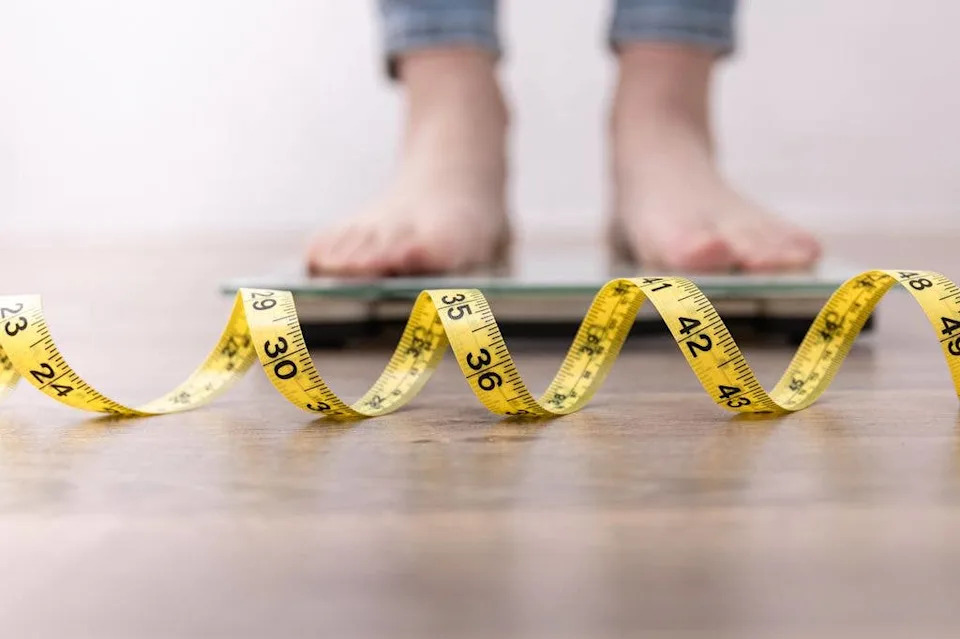
Why does belly fat increase during menopause?
During menopause, many women notice they’re gaining fat around their belly area. Rosana explains that this happens “primarily due to significant hormonal changes, specifically the drop in oestrogen levels, which causes a redistribution of fat from the hips to the midsection”
Advertisement
Advertisement
In addition to this hormonal shift, several other factors contribute to the development of menopause belly fat:
Slower metabolism: Metabolism naturally slows down with age due to sarcopenia – the loss of muscle mass. Less muscle makes it easier to accumulate fat and harder to burn it
Insulin resistance: It is also common to develop insulin resistance, which further promotes fat storage
Sedentary lifestyle: The specialist notes that inactivity is a big factor. She recommends increasing daily physical activity and maintaining a consistent exercise routine as a key preventive measure
During perimenopause and menopause, many women notice they’re gaining extra fat around their belly area
How does cortisol influence weight gain in menopause?
According to Rosana, stress management is a crucial factor influencing weight gain and the difficulty of weight loss during menopause
“Stress increases cortisol levels. When elevated, this hormone raises insulin, which makes fat burning difficult,” explains the nutritionist. In addition, getting poor quality or non-restorative sleep “increases our cravings for sugar and processed foods during the day, which promotes weight gain”
Advertisement
Advertisement
She emphasises that implementing relaxation routines and prioritising sleep quality are essential components of maintaining a healthy weight. Techniques such as meditation, conscious breathing, or yoga can be highly effective in reducing cortisol levels and subsequently facilitating better rest

The mistake of calorie restriction in menopause – and the consequences
Rosana stresses that “the biggest, and most frequent, mistake when trying to lose weight at this stage is eating too little.” Many mistakenly believe that drastically reducing calories will lead to weight loss. In reality, extreme calorie restriction forces the body into an “energy saving mode,” causing it to retain more fat to protect against a perceived energy deficit
She also underlines the importance of eating balanced meals and snacks throughout the day to maintain stable energy levels and prevent hunger pangs that can lead to unhealthy food choices
The expert recommends:
Maintaining an adequate balance of nutrients, with a particular focus on protein
Avoiding excessively restrictive diets that often lead to frustration and outcomes contrary to weight loss goals
Eating regularly throughout the day to keep energy levels stable and prevent intense hunger pangs that can lead to unhealthy food choices
“The biggest, and most frequent, mistake when trying to lose weight at this stage is eating too little”
What’s the ideal menopause meal?
To achieve a balanced weight, Rosana advocates for a “balanced menu based on whole, real food, eliminating ultra-processed products.”
Advertisement
Advertisement
Vegetables: Half of the plate should consist of a variety of colorful vegetables
Protein: A generous quarter should be protein
Complex Carbohydrates: Less than a quarter should be complex carbohydrates, like brown rice or quinoa
Healthy Fats:and metabolic health
The specialist notes that carefully managing these nutrient proportions not only aids in weight control but also enhances digestion, boosts energy, and helps balance mood

Sample menu
Rosana provides an example of an “ideal” menopause menu:
Breakfast: Omelette (1 whole egg and 3 whites), 30g avocado, 40g gluten-free bread, 1 piece of fruit
Lunch: Baked sea bass with roasted potato, and spinach salad with avocado and strawberries
Dinner: Prawns with sautéed courgette, quinoa and egg
Advertisement
Advertisement
Protein “is the star nutrient during menopause” because it promotes a feeling of being “full”, helps prevent cravings, and preserves muscle mass. She particularly underscores the importance of protein at breakfast, stating that consuming it early in the day “can be decisive for better controlling your appetite and your weight”
In addition to nutrition, complement your diet with strength training to build muscle. Regularly exercising using weights, resistance bands, or body weight can significantly increase muscle mass and accelerate metabolism, facilitating body fat loss and improving your overall quality of life during this complicated stage.
A balanced diet with plenty of protein combined with strength training – not cardio – is the key to staying in shape and losing weight
Anti-inflammatory foods for hormone balance and weight loss
It’s important to remember that some foods can contribute to bodily inflammation, which can negatively affect weight management during menopause. Conversely, certain foods are anti-inflammatory; prioritising those is key
Rosana highlights the types of foods that are highly beneficial during perimenopause and menopause
Advertisement
Advertisement
Protein-rich foods: She recommends consuming proteinmaintaining and increasing muscle mass”
Anti-inflammatory vegetables: Incorporate cruciferous and leafy green vegetables, such as kale or broccoli, for their potent anti-inflammatory properties
Low glycaemic carbs: She advises consuming these at the end of meals to help stabilise blood sugar levels and prevent excessive fat storage
Essential Fats: Foods rich in Omega-3s, such as nuts, seeds and certain fish, are highlighted as key allies. They help reduce inflammation and promote better overall hormonal health

You can supplement your health with Omega-3 and green tea to enhance your healthy diet
Effective supplements for weight and inflammation control
While stressing that there are no “miraculous solutions,” Parra recommends several natural supplements to complement a balanced diet and consistent physical activity:
Anti-inflammatory & general health: Omega-3 (for its anti-inflammatory and cardiovascular benefits), turmeric with black pepper, magnesium and ginger
Weight & glucose stabilisation: Apple cider vinegar before meals and green tea
These supplements must be paired with a healthy lifestyle. Their primary function is to enhance the positive effects of proper eating habits and regular exercise, not replace them
You may also like
About the expert:
Rosana Parra is a nutritional and wellness coach, specialising in Perimenopause and Menopause, and author of the Spanish-language book Make Good Decisions During Menopause (En menopausia toma buenas decisiones)
