


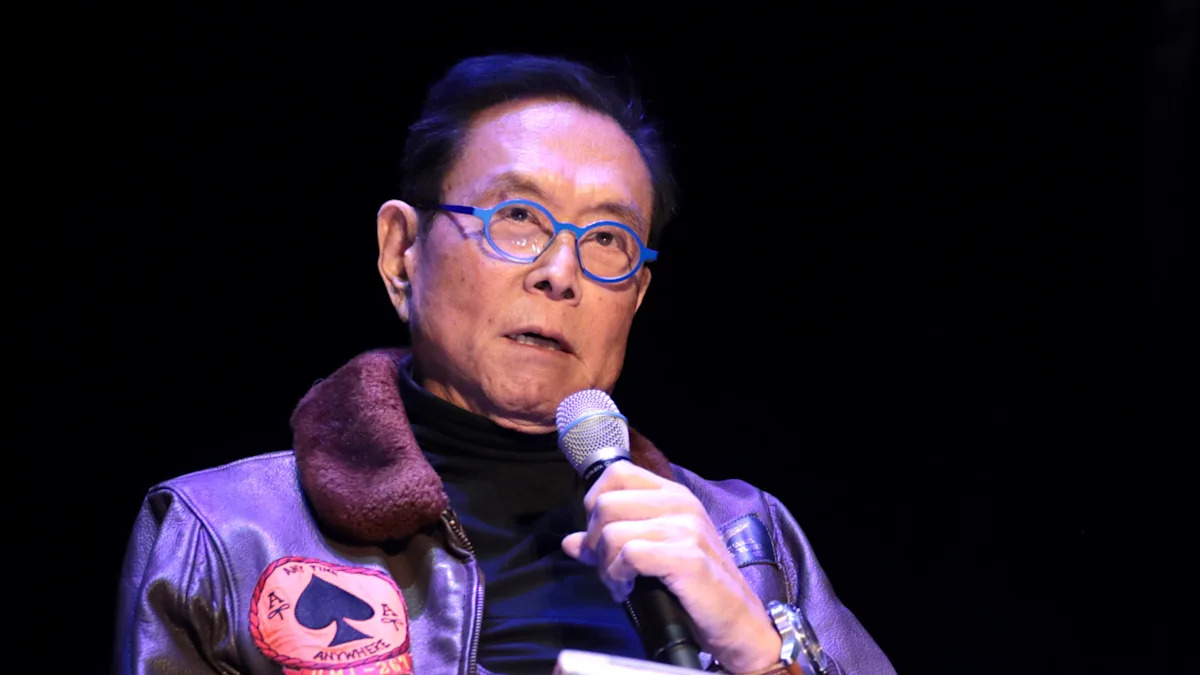
Kiyosaki says ‘greatest depression in world history’ is starting — with boomers facing disaster. Protect your money now
Jing Pan
Sun, July 26, 2026 at 5:45 PM GMT+5:30
9 min read
Moneywise and Yahoo Finance LLC may earn commission or revenue through links in the content below
Robert Kiyosaki is sounding the alarm again — and this time, his warning hits close to home for millions of American boomers approaching or already in retirement
The Rich Dad Poor Dad author has repeatedly warned throughout 2026 that the “Everything Bubble” is beginning to unravel
Must Read
Jeff Bezos backs a platform that lets anyone invest in rental homes for as little as $100 — 6 ways to build wealth like a landlord without actually being one
JPMorgan still sees gold hitting $5,000/oz by Q4 — and savvy investors are protecting their wealth with a tax-advantaged Gold IRA. Learn more with a free guide from Priority Gold
The tax breaks in Trump’s ‘big beautiful bill’ expire after 2028 — and experts say most people won’t act in time. What to do before the window closes
In one of his latest posts on X, he argued that investors should buy hard assets before “the pin” bursts the bubble (1), reiterating his belief that the world is headed toward what he calls”the greatest depression in world history” (2)
“You don’t have to be a victim,” Kiyosaki wrote, arguing that even as bubbles burst and the world economy crashes, people can still position themselves to be “a financial winner.”
He pointed to economic stress in major global markets “from Dubai to Vegas, from Tokyo to New York City,” warning that homelessness could spread globally if conditions deteriorate
But Kiyosaki’s warning goes beyond a broad market crash. In a separate post, he revived one of his long-running concerns: what he calls the “Baby Boomer Retirement Disaster” (3)
“In 2026 millions of Boomers will be out of work in trouble financially… many homeless,” he wrote
Kiyosaki said he saw the crisis coming as far back as 1974 — a pivotal year for America’s retirement system
That year, Congress passed the Employee Retirement Income Security Act (ERISA), which was designed to protect workers’ pensions. But over time, many employers moved away from traditional defined-benefit plans, which promised retirees a fixed income for life, toward defined-contribution plans such as 401(k)s, leaving workers with more responsibility for funding their own retirements. IRAs were also introduced as a new savings vehicle for individual workers
In other words, the retirement burden has increasingly shifted from employers to workers — and that shift helps explain why Kiyosaki believes many boomers could be especially vulnerable if a major downturn hits
