


Common but undertreated, the condition leaves many new mothers in South Korea struggling in silence amid low awareness, stigma and limited access to care
Expecting twins, Ahn Hye-young, 34, knew motherhood would be tough. But she did not expect the new phase of her life to weigh on her so heavily
She found herself feeling drained, struggling with mood swings and unhappy with herself. Her changing body was anotherional strain of caring for two newborns
“Exercise helped a little, but I could never fully get my old body back. Newborns need to be fed so often, and with household chores piling up, I barely had time to sleep or rest. That left me feeling constantly on edge,” Ahn, whose twins are now 3 years old, told The Korea Herald
For some mothers, the deeper struggle unfolds within
With her constant efforts receiving little recognition and challenges beyond her control arising one after another, Kim Tae-ri, 37, a Seoul mother raising a 1-year-old son, felt her sense of “self-efficacy” gradually eroding. Over time, she developed postpartum depression
“There were times when I would suddenly burst into tears, and even the smallest things would make me angry. No matter how hard I tried, I could never tell whether I was doing a good job as a mother. Instead, I constantly felt as though I was failing,” she said
After being classified as high risk in a screening at a local public health center, Kim received counseling with a specialized nurse and psychiatric medication and gradually recovered
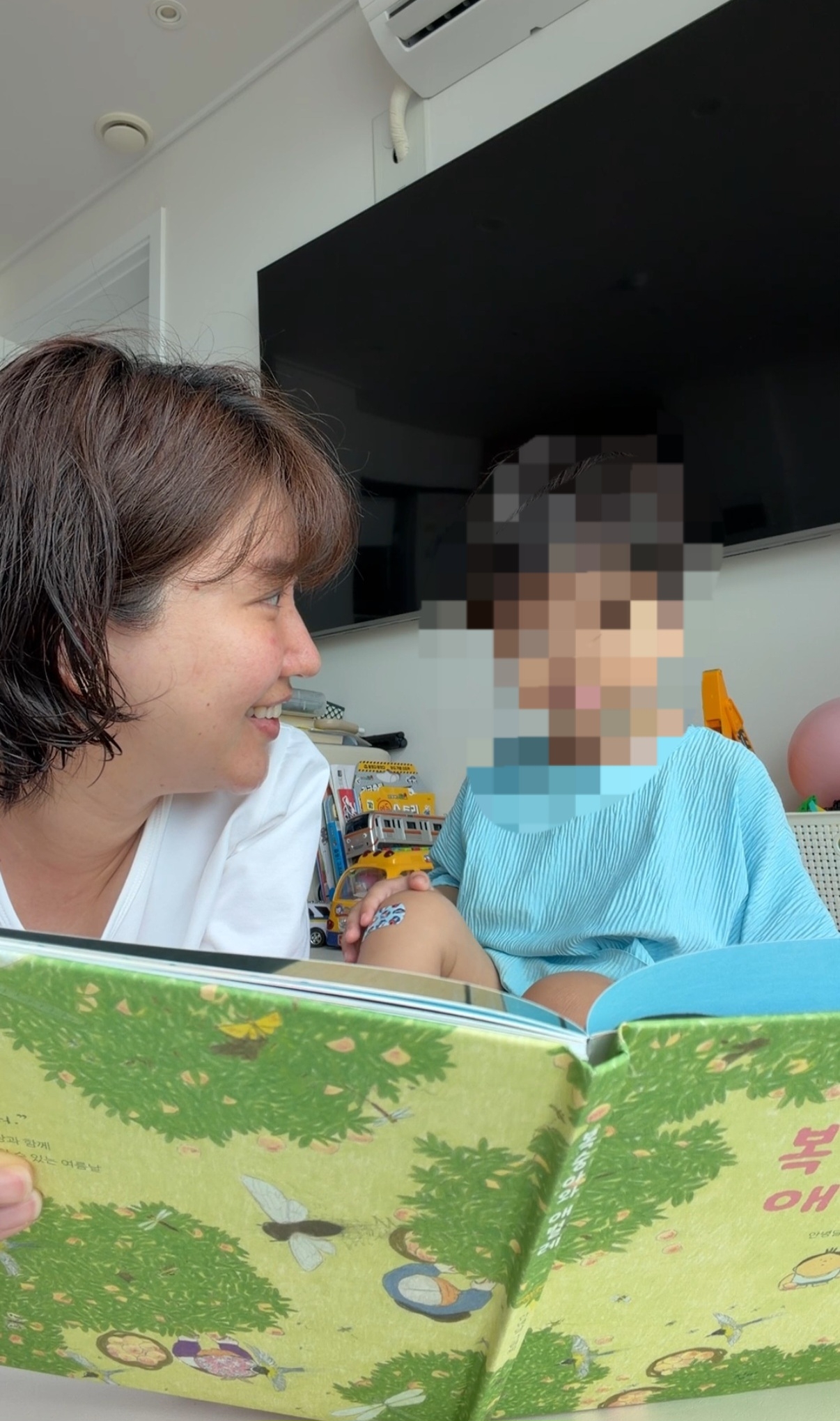
What helped Kim most, however, was returning to her freelance career as a live-commerce host and speech instructor after her child turned 1 and began attending day care
“Talking to people, doing something I knew I was good at and getting immediate feedback made me feel capable again. Even if it was just for a little while, I could step away from being a mom and feel like my old self again. That gave me the energy to go back to taking care of my child,” she added
Ahn and Kim were far from alone in their struggles with postpartum depression
In 2022, 3.2 precent of women were diagnosed with postpartum depression within a year of giving birth, more than double the 1.4 percent recorded in 2015, according to a March report by the Korea Institute for Health and Social Affairs that analyzed National Health Insurance Service data
Among women within six months of childbirth, the rate climbed from 0.73 percent to 1.85 percent over the same period
The figures, however, likely represent only a fraction of women experiencing the condition, as many experiencing symptoms may not seek medical help or receive a formal diagnosis
Classified under code F53.0 in the Korean Standard Classification of Diseases, postpartum depression can stem from a combination of factors, including hormonal and physical changes, sleep deprivation and the pressures of caring for a newborn, according to Kim Sun-mi, a psychiatry professor at Chung-Ang University Hospital
The condition can vary in severity, from mild and short-lived “baby blues” to full-blown depression and, in rare but serious cases, postpartum psychosis. The most severe form may involve hallucinations, delusions, mania, confusion and rapid mood changes, requiring urgent medical attention
“Postpartum depression doesn’t just disrupt a woman’s daily life. It can also affect how she interacts with her child, potentially harming the child’s emotional, behavioral and cognitive development. The condition can also become a major
“If left untreated, it can lead to serious psychiatric symptoms, such as paranoid delusions and hyperactivity, and in extreme cases, even suicide. That is why it is a serious mental health condition that should never be overlooked,” added the psychiatry professor
Yet the warning signs are too often dismissed as a normal part of motherhood, leaving many women to struggle alone
In a 2024 online survey by the Ministry of Health and Welfare, 68.5 percent of 3,221 women nationwide who gave birth in 2023 reported experiencing postpartum depression, but only 6.8 percent had sought professional help, such as counseling or medication
“I thought it was just a temporary hormonal issue, like premenstrual syndrome, or a passing phase that came with adjusting to motherhood — like the stress people experience at work or in relationships. I never thought it could be depression,” said Han Song-mi, a 34-year-old mother of a 5-month-old daughter in Seoul who was recently identified as being at risk through the Edinburgh Postnatal Depression Scale
Widely used to screen for postpartum depression, the Edinburgh scale consists of 10 questions, each scored from zero to three, for a maximum score of 30. A higher score indicates a greater risk, though the result alone does not constitute a clinical diagnosis
Social expectations surrounding motherhood are one of the factors that make some mothers reluctant to seek treatment
“When mothers post on social media about how hard parenting is, they often get comments like, ‘You chose to have a child, so why are you complaining?’ There’s still this stereotypical idea that mothers should be loving and willing to sacrifice everything. I think that makes women feel guilty just for feeling depressed because of their child,” said Yoo Jung-yeon, a 42-year-old mother living in Dongjak-gu, Seoul
“They try to tell themselves it’s not serious enough to be an illness and push themselves to just get through it for their baby.”
Postpartum depression increasingly enters the courtroom
The consequences of untreated postpartum depression can sometimes extend beyond the mother herself
In July 2023, a woman in her 30s suffocated her 7-month-old son in the bedroom of their home in Gwangju before jumping from the apartment in an attempt to take her own life. She survived after being taken to a hospital, but the baby died
Investigators found that postpartum depression had played a central role in the tragedy. According to news reports, the woman became overwhelmed by guilt after her son, who was born prematurely, was diagnosed with an intellectual disability and fell into depression
A similar case had shaken the US this year
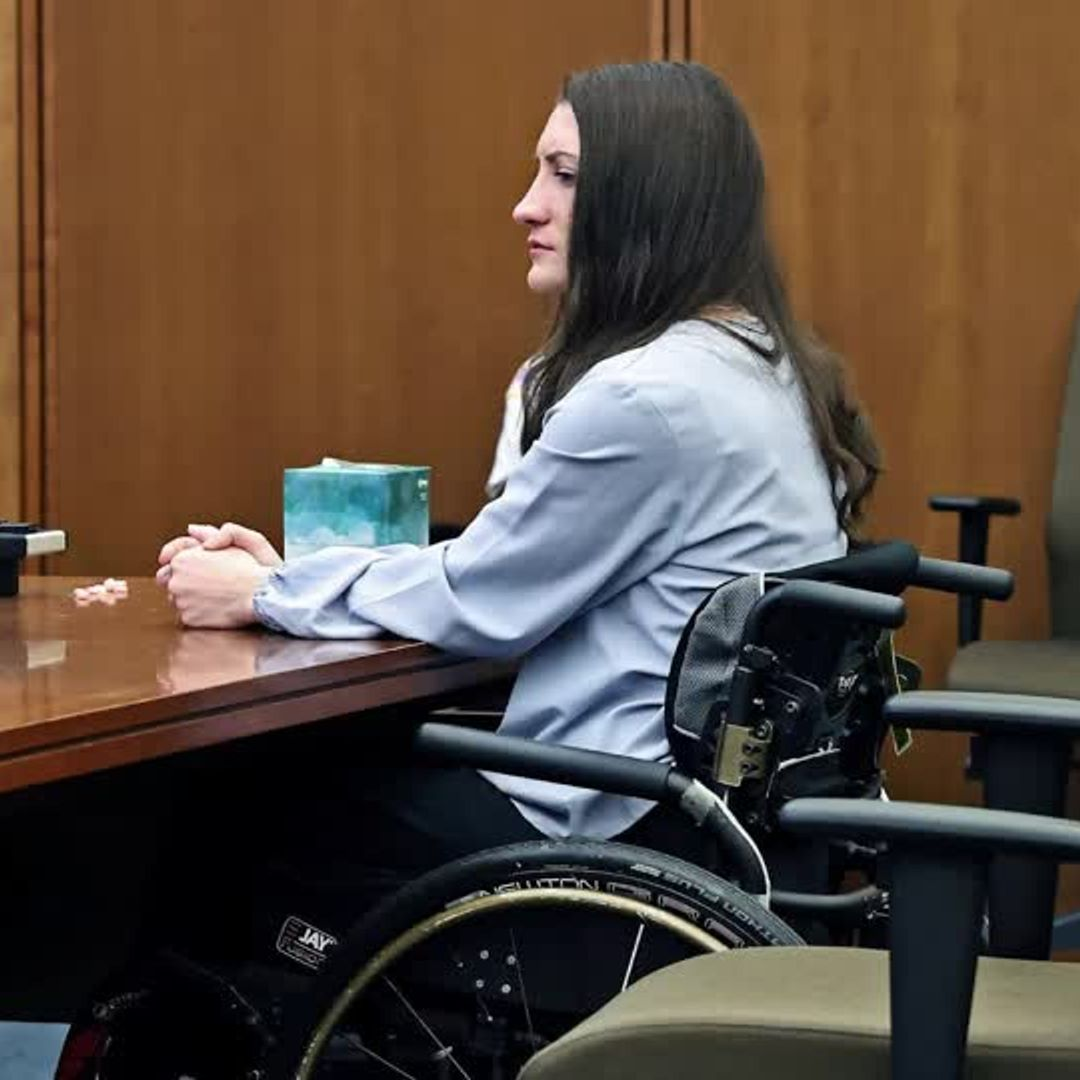
On Jan. 24, Lindsay Clancy, a 36-year-old mother, allegedly strangled her three children, ages 5, 3 and 8 months, to death at their home in Duxbury, Massachusetts, before attempting to take her own life. She survived but was left paralyzed, local media reported
Since her trial began last month, Clancy’s defense has maintained that her postpartum depression had worsened into postpartum psychosis by the time of the killings
Over the months leading up to the killings, Clancy had received psychiatric care, visited emergency rooms and undergone counseling, while being prescribed more than 10 medications
In the Korean case, the Gwangju District Court acknowledged that the mother’s mental capacity had been diminished due to postpartum depression at the time of crime. Last year, it sentenced her to three years in prison, suspended for five years, rather than the eight-year term sought by prosecutors
Some legal experts point to the growing prominence of postpartum depression in legal circles
“Society has also become much more open about depression in general, and that shift is now being reflected in the legal system,” Bae Hyang-mi, a senior attorney at law firm Shinwon told The Korea Herald
“Depression is among the conditions frequently cited by defendants in criminal proceedings. Postpartum depression, however, is increasingly viewed as a distinct condition that may have a greater bearing on the offense. Prosecutors and investigators are also becoming more proactive about looking into it from the early stages of a case.”
Still, postpartum depression alone cannot legally justify a sentence reduction, Bae added
Under Article 10 of Korea’s Criminal Act, insanity and diminished mental capacity are the two mental states that can affect criminal responsibility
A defendant citing postpartum depression must therefore demonstrate that the condition significantly impaired her judgment or ability to control her actions at the time of the offense, a difficult legal threshold to meet
“To establish diminished mental capacity, the court examines not only medical records documenting a postpartum depression diagnosis, but also forensic psychiatric evaluations conducted at facilities such as the National Forensic Psychiatric Hospital, notes, if any, left by the defendant and accounts from people around her,” Bae said
Even when postpartum depression does not meet the legal threshold for diminished mental capacity, courts may still take it into account as a mitigating factor in sentencing, Bae added
Courts may consider whether the condition contributed to impulsive acts of infant abuse or killing, as well as factors that may have worsened it, such as financial hardship or domestic violence
“This is not about treating postpartum depression as an excuse or using it to justify child abuse,” Bae said
“But if the condition was severe or the defendant herself was in desperate circumstances and needed protection, those factors may support a more lenient sentence.”
Calls grow for stronger support
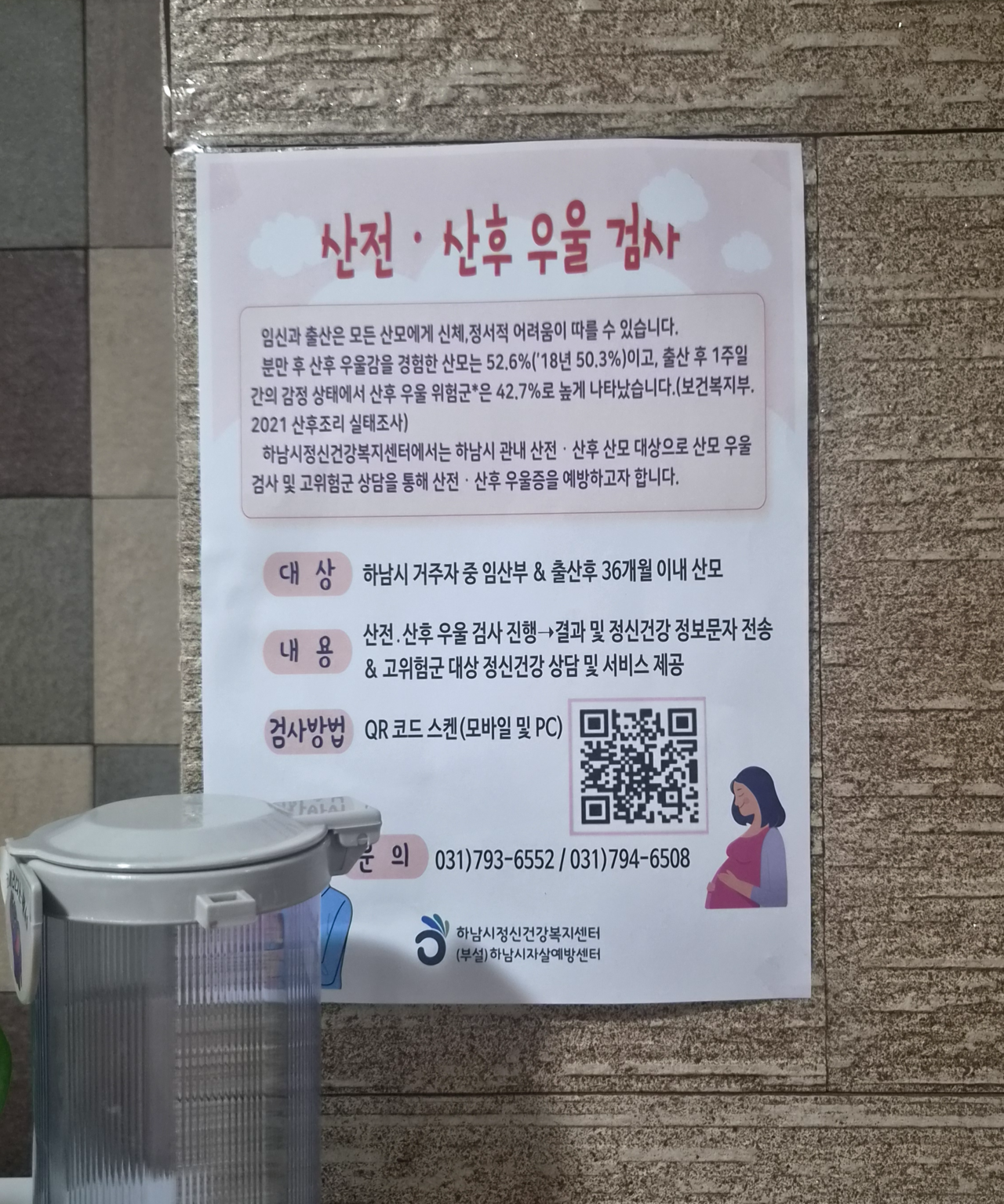
Growing awareness of postpartum depression as a public health issue has prompted Korea to expand its support programs over the years
Following a 2017 revision to the Maternal and Child Health Act that laid the legal groundwork for state-funded prenatal and postpartum depression screening, 11 counseling centers have been established nationwide, including in Seoul, Incheon, Gyeonggi Province and Daegu, to assist women experiencing depression during or after pregnancy and couples struggling with infertility
These centers not only provide mental health screenings but also offer professional counseling, referring high-risk patients to mental health centers or medical institutions for further evaluation and treatment
Local public health centers also run their own initiatives, including postpartum depression prevention programs and peer support groups for affected mothers
A public health center in Dongdaemun-gu, eastern Seoul, for instance, holds small-group sessions twice a year for mothers experiencing postpartum depression who are raising children aged 3 or younger. The program offers mother-and-baby Pilates classes designed to help ease symptoms of depression
“Counseling can help, but meeting other mothers in similar circumstances allows participants to share their struggles and exercise together as they work toward recovery, creating a more natural form of therapy,” a center official said
Despite expanded government support, access to treatment for postpartum depression remains limited, according to a 2025 report by the Korea Institute for Health and Social Affairs
Introduced in 2020, the Early Life Health Management Program, for instance, sends nurses and social workers to support pregnant women and families with infants at home, but was available at only 73 public health centers nationwide as of last year
“Support for postpartum depression is determined less by mothers’ needs than by where they live and the financial and staffing capacity of their local governments,” the report said
Financial support also remains limited
Currently, medical subsidies of up to 300,000 won are offered to mothers with postpartum depression from vulnerable groups, including medical aid recipients and households earning no more than 150 percent of the median income
But concerns have been raised that the amount may fall short for those requiring prolonged care, as treatment can involve repeated psychiatric visits, counseling and medication over months or even years
Some mothers say restricting government-funded counseling to the first three years after childbirth overlooks the fact that postpartum depression can surface later and last well beyond that period
“I did not experience depression after giving birth because my parents helped with child care while I was on parental leave. But after returning to work, I had to juggle my job and parenting without their help, and began experiencing depression,” said Jung, a working mother in her 30s raising a 3-year-old child
“Postpartum depression can be triggered not only by physical or internal changes but also by external circumstances, sometimes long after childbirth. I therefore believe the eligibility criteria should be expanded.”
cjh@heraldcorp.com
