


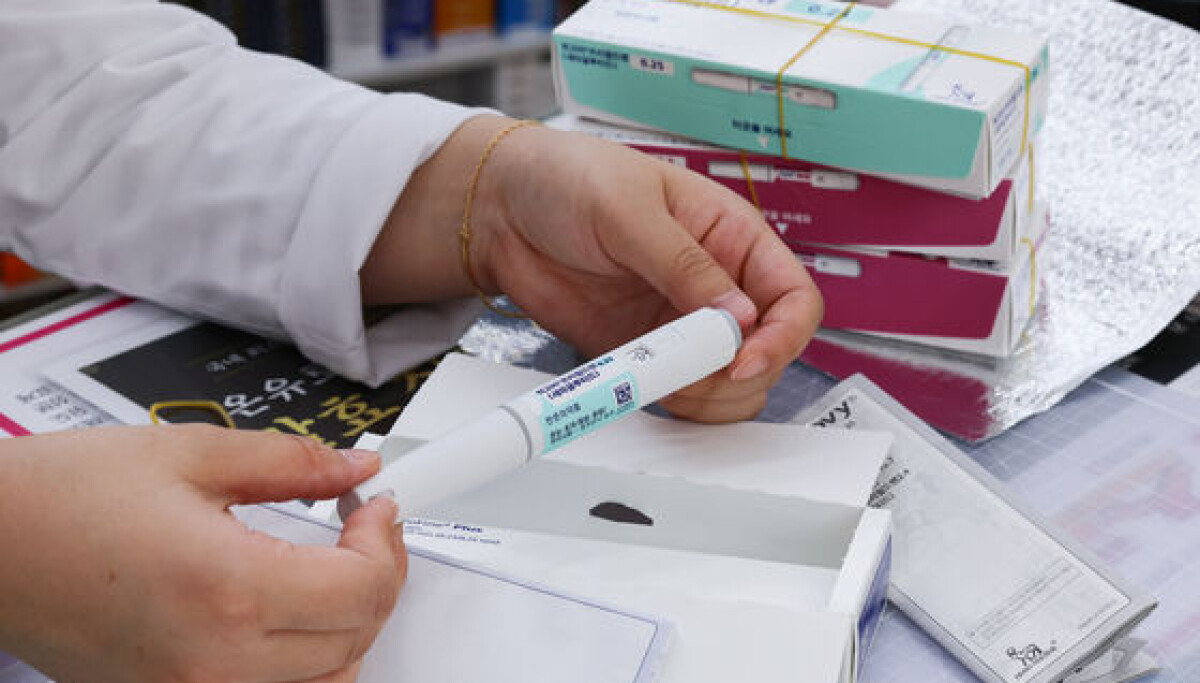
Wegovy, a widely used treatment for obesity and Type 2 diabetes, may also help protect brain health by lowering the risk of adult-onset seizures, according to a new study
The research was conducted by a team from Seoul National University Hospital, including Prof. Jang Yoon-hyuk and Prof. Lee Soon-tae of the Department of Neurology, in collaboration with researchers from Columbia University and Harvard University. It was published in the June 14 issue of Neurology, the official journal of the American Academy of Neurology
The study found that Type 2 diabetes patients treated with semaglutide — an active ingredient in the weight-loss drug — had a significantly lower risk of developing adult-onset seizures than those receiving other diabetes medications
Related Article
Korean drugmakers speed up development as oral Wegovy expands into Europe
As weight-loss drugs spread, so does their reach into fashion and food
Safety alert issued for injectable drugs as incidents with obesity treatments surge
Although they are not a common complication of diabetes, the seizures can develop following acquired brain injuries such as stroke, neurodegenerative diseases and traumatic brain injury, making them an important indicator of brain health
Currently, no treatment has been established to prevent a first seizure. Available therapies focus instead on preventing recurrences
The researchers analyzed electronic health records from the U.S. National Institutes of Health’s All of Us Research Program involving 18,243 patients with Type 2 diabetes who had newly been prescribed either semaglutide or another glucose-lowering medication
They adjusted for factors including age, body mass index and underlying medical conditions to emulate the conditions of a randomized clinical trial as closely as possible
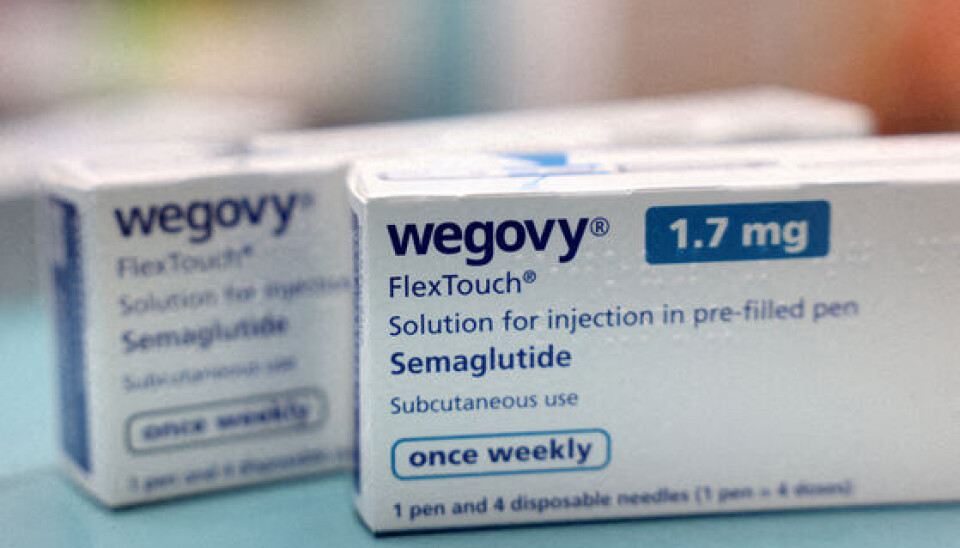
The analysis found that patients receiving semaglutide had a 56 percent lower risk of adult-onset seizures than those taking other glucose-lowering drugs and a 52 percent lower risk than patients treated with sodium-glucose cotransporter-2 inhibitors. Over four years, the absolute difference in seizure incidence was 1.78 percentage points and 1.46 percentage points, respectively
The researchers also found that the reduced seizure risk could not be explained solely by improvements in glycated hemoglobin or body mass index
Because similar protective effects were not clearly observed with other glucagon-like peptide-1 receptor agonists, the researchers suggested that semaglutide’s unique pharmacological ability to partially penetrate the brain may underlie the findings
“Long-term follow-up studies and randomized clinical trials are needed to verify whether semaglutide truly has a preventive effect and whether it can be applied in clinical practice because this was an observational study,” Prof. Jang said
